

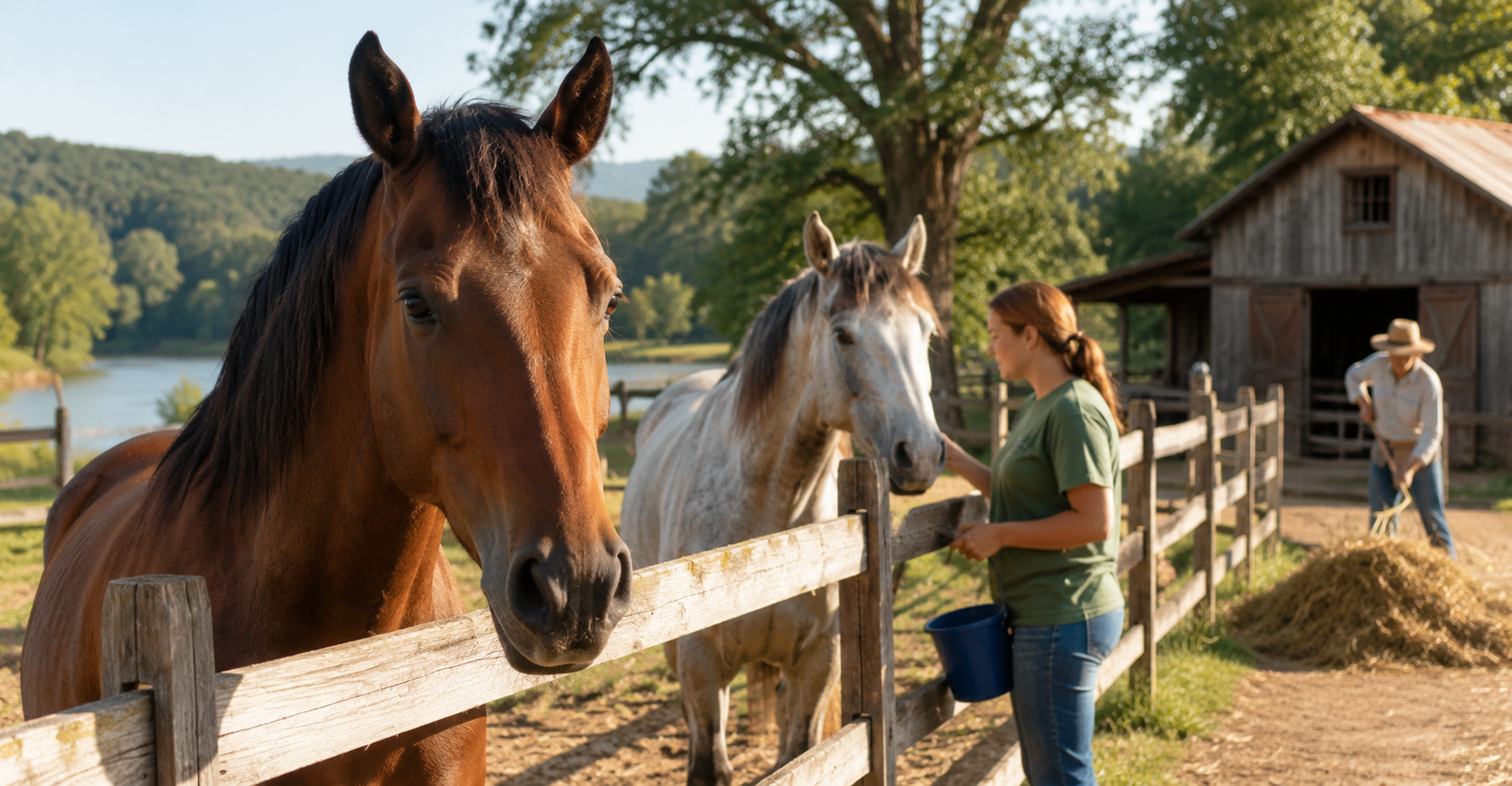
Singing River Equine Rescue is one of the important animal-welfare names people search for in Florence, Alabama, especially when they want to help abused, neglected, abandoned, or at-risk horses. Unlike a regular boarding barn or riding stable, an equine rescue exists for a more serious purpose: to give vulnerable horses emergency care, rehabilitation, time to recover, and, when possible, a safe path into a permanent home.
Best Friends Animal Society lists Singing River Equine Rescue as a Florence, Alabama nonprofit partner and describes it as a 501(c)(3) nonprofit organization made up solely of volunteers. Its stated mission is to provide emergency relief, care, and rehabilitation for abused, neglected, and abandoned equines until they can be adopted by informed, caring people who will give them permanent homes.
For anyone searching singing river equine rescue, the main questions are usually simple: What does the rescue do? Can I adopt a horse? How can I donate? Can I volunteer? And how do I report or help a horse in need?
Quick Local Snapshot
| Detail | Information |
| Organization | Singing River Equine Rescue |
| Location | Florence, Alabama |
| Type | 501(c)(3) nonprofit equine rescue |
| Main focus | Emergency relief, care, rehabilitation, adoption |
| Animals served | Abused, neglected and abandoned equines |
| Staffing model | Volunteer-based nonprofit |
| Public directory phone | 256-415-7701 |
| Public directory address | 2701 Mall Rd, Florence, AL 35630 |
A public equine directory listing places Singing River Equine Rescue in Florence at 2701 Mall Rd, with phone number 256-415-7701, while Best Friends lists the rescue in Florence, AL 35630-7502. Because rescue details can change, it is always best to confirm current contact information through the rescue’s active Facebook page or current public listings before visiting or sending supplies.
What Singing River Equine Rescue Does
Singing River Equine Rescue focuses on horses and other equines that need help because of neglect, abandonment, abuse, or urgent welfare situations. The rescue’s mission, as described through Best Friends, is not just to take animals in, but to provide care and rehabilitation until they can be placed with people who understand the responsibility of long-term equine ownership.
That distinction matters. A rescued horse may arrive underweight, frightened, injured, poorly handled, or medically neglected. Some horses need farrier care, dental care, veterinary treatment, better nutrition, safe shelter, and slow rebuilding of trust. Others may need training, patience, or a quieter environment before adoption is even realistic.
Horse rescue is not quick work. It is often months of feeding, cleaning, medical attention, groundwork, emotional patience, and careful decision-making.
Why Equine Rescue Matters in North Alabama
Horses are expensive animals to keep. They need land, hay, grain or forage support when needed, hoof care, dental work, vaccinations, deworming, shelter, fencing, transport, and regular observation. When an owner cannot provide those basics, a horse’s health can decline quickly.
That is why organizations like Singing River Equine Rescue matter. They help fill the gap between crisis and recovery. A neglected horse may not be ready for a new home right away. It may need time to regain weight, heal from hoof problems, recover from poor handling, or learn that people can be safe again.
Cause IQ also lists Singing River Equine Rescue as a Florence, Alabama animal welfare organization founded in 2010, with IRS type 501(c)(3).
Horse Adoption Through Singing River Equine Rescue
Horse adoption is different from adopting a dog or cat. A horse needs more space, more money, more time, and more experience. That is why Best Friends’ description of Singing River Equine Rescue specifically mentions adoption by informed, caring people who can give rescued equines a permanent home.
A good adopter should be ready to answer practical questions before bringing a horse home:
Do you have safe fencing?
Do you have shelter?
Do you understand feed and hay costs?
Do you have a farrier and veterinarian?
Do you know the horse’s age, training level, soundness, and temperament?
Can you handle a horse that may need patience instead of pressure?
Rescue horses can become wonderful companions, riding horses, pasture partners, or therapy-type animals, but each horse is different. The right match matters more than choosing based on looks.
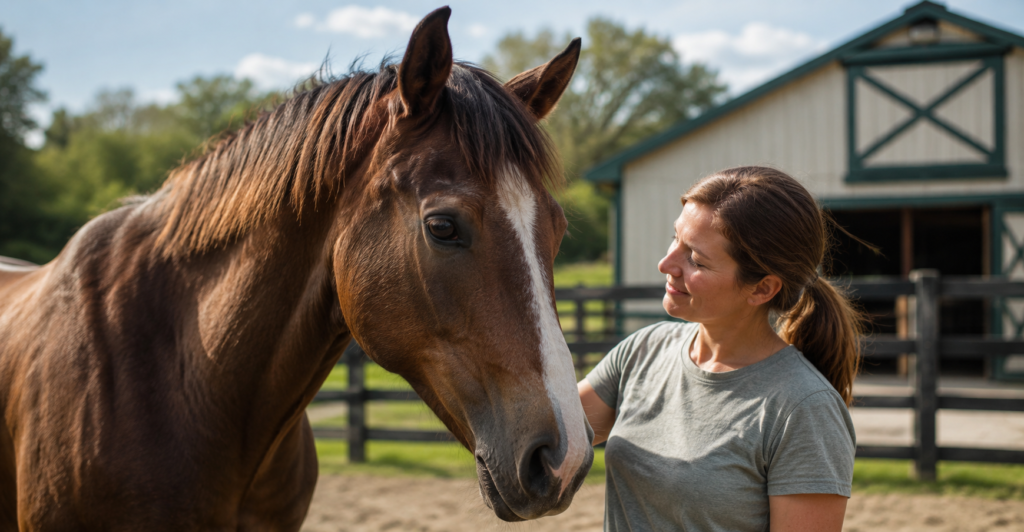
What to Know Before Adopting a Rescue Horse
Before adopting from any equine rescue, think honestly about your experience level. A beginner should not take on a horse with serious behavioral, medical, or training challenges unless they have professional help. A horse that has been neglected may need gentle, consistent care rather than a rushed training plan.
Ask about the horse’s background, diet, medical needs, hoof condition, handling level, riding experience, and long-term restrictions. Some rescued horses may be rideable after rehabilitation. Others may be best as companion animals. Some may need special feed, regular medication, or limited activity.
A responsible rescue will care about the fit because the goal is not simply to move a horse out. The goal is to keep that horse safe for life.
Donations Help Keep the Rescue Running
Because Singing River Equine Rescue is described as a volunteer nonprofit, donations are an important part of supporting the work. Equine rescue expenses can add up quickly, especially when a horse arrives needing immediate care.
Useful support may include money for veterinary bills, hay, feed, farrier work, dental care, fencing repairs, medicine, bedding, blankets, transport costs, grooming supplies, and emergency care. Some rescues may also accept specific items, but it is better to ask first instead of dropping off supplies that may not match current needs.
Financial donations are often the most flexible because the rescue can direct funds to the most urgent expense, whether that is hay, vet treatment, hoof care, or emergency transport.
Volunteering With an Equine Rescue
Volunteering at a horse rescue can be rewarding, but it is also physical work. It may include feeding, cleaning, filling water troughs, grooming, organizing supplies, helping with fundraisers, repairing fences, moving hay, or assisting during events.
Not every volunteer needs to be an expert rider. In many rescues, the most valuable volunteers are reliable people who show up, follow instructions, respect safety rules, and are willing to help with basic chores. Horses need daily care, not just attention when it is convenient.
If you want to volunteer with Singing River Equine Rescue, contact the rescue directly and ask what help is currently needed. Volunteer roles may depend on age, experience, insurance rules, animal behavior, and current rescue needs.
How to Help Without Adopting
Not everyone can adopt a horse, and that is okay. Adoption is a major commitment. There are still many ways to support Singing River Equine Rescue without taking a horse home.
You can donate money. You can sponsor care if the rescue offers that option. You can share adoptable horse posts. You can help with fundraising. You can volunteer for chores. You can donate approved supplies. You can connect the rescue with local businesses that may want to support animal welfare. You can also help educate others about responsible horse ownership.
Sometimes the simplest help is sharing accurate information. A social media post about a fundraiser, supply need, or adoptable horse can reach someone who is able to step in.
Reporting a Horse in Need
People often search for an equine rescue because they have seen a horse that looks thin, injured, abandoned, or uncared for. That situation should be handled carefully. Not every skinny horse is neglected; some may be elderly, sick, or under veterinary care. At the same time, real neglect should not be ignored.
If you are worried about a horse, document what you see from a safe and legal distance. Do not trespass. Do not take the horse. Do not confront someone aggressively. Contact the appropriate local animal control, law enforcement, or animal-welfare authority, and ask the rescue whether they can guide you toward the right reporting process.
Singing River Equine Rescue’s Facebook search snippet says the organization wants to be a resource for anyone who wants to report or help a horse in need, which fits its broader rescue mission.
Why Rehabilitation Takes Time
A rescued horse cannot always be adopted immediately. Rehabilitation may start with basic stabilization: food, water, safe shelter, veterinary care, and hoof attention. But healing is not only physical. Horses that have been mistreated may be fearful, defensive, shut down, or difficult to handle.
Trust has to be rebuilt slowly. A horse may need weeks or months before it is ready for training, evaluation, or adoption. Some may never become riding horses, but they can still have value as companions and beloved animals.
That is why rescue work should not be judged only by how many adoptions happen. The quiet work behind the scenes matters just as much: feeding, cleaning, treating, waiting, and giving each horse the time it needs.
What Makes a Good Rescue Horse Home
A good home for a rescue horse is not just a pasture. It is a place where the horse’s daily needs are understood. Safe fencing is essential. So is clean water, shelter, proper forage, routine hoof care, parasite control, and access to a qualified veterinarian.
A good adopter also understands that horses are social animals. Some need a companion. Some need a calm routine. Some need careful introductions to other horses. Some may need special management because of age, weight, teeth, hooves, or previous trauma.
A rescue horse should not be adopted as a bargain. The adoption fee is only a small part of the real cost. The long-term care is where the true responsibility begins.
Community Support and Local Awareness
The Shoals area has a strong local community, and animal rescues often depend on that community to keep going. Singing River Equine Rescue being based in Florence makes it part of a broader North Alabama animal-welfare network that includes shelters, rescues, donors, volunteers, and people who simply care when animals are suffering.
Best Friends lists the rescue as part of its network, and the Best Friends Network is described as thousands of shelters, rescue groups, spay/neuter organizations, and animal-welfare groups working to save lives in communities across the country.
That kind of network matters because rescues rarely work alone. Large animal cases can require transport, hay donors, foster space, veterinary support, law-enforcement coordination, and public donations.
Safe Ways to Contact the Rescue
Because rescue organizations may operate with volunteers and limited office hours, do not assume someone is available for walk-ins. Use current public contact options and wait for a response. A public equine directory lists Singing River Equine Rescue’s phone as 256-415-7701 and the Florence address as 2701 Mall Rd, but contact details should be confirmed before visiting.
Facebook is often the most active public page for smaller rescues, especially for updates about animals, fundraisers, needs, and urgent situations. If you want to adopt, donate, volunteer, or ask about a horse in need, start with a respectful message that explains who you are and how you want to help.
Search Terms That Fit This Topic
Useful related keywords for this article include Singing River Equine Rescue, singing river equine rescue, Singing River Equine Rescue Florence AL, horse rescue Florence Alabama, equine rescue Alabama, horse adoption Alabama, rescue horse adoption, donate to horse rescue, volunteer horse rescue, abused horse rescue, neglected horse rescue, abandoned horses, equine rehabilitation, North Alabama horse rescue, and animal welfare Florence AL.
These keywords should appear naturally. The topic is emotional enough on its own, so the writing does not need exaggerated claims or repeated keyword stuffing.
Practical Guide for Supporters
Singing River Equine Rescue is a Florence, Alabama-based nonprofit focused on helping abused, neglected, and abandoned equines through emergency relief, care, rehabilitation, and adoption. Best Friends describes the rescue as a volunteer 501(c)(3) organization dedicated to placing rehabilitated equines with informed, caring permanent homes.
For anyone who wants to help, the best first step is to contact the rescue directly. Ask what is most needed right now: donations, hay, feed, farrier support, volunteer help, adoption inquiries, transport assistance, or help sharing posts. In horse rescue, every useful action matters because every rescued horse requires time, money, care, and patience before it can truly move toward a safer future.