

At some point during a house viewing, you stop noticing the kitchen counters, fresh paint, and sleek furniture and zero in on the garden instead.
You step outside, look around, and start sizing it up: could you live with this, or would it become your weekend nemesis?
Buyers across the UK are doing exactly the same thing, whether they realise it or not. And those first impressions carry more weight than you’d think. So, what separates a value-boosting garden from one that just falls flat? Keep reading to find out.
What Estate Agents Look for in a Garden
Estate agents aren’t expecting perfection, but they are looking for potential. A space that feels usable, tidy, and fairly low-effort will always land better than something overly ambitious or completely left to fend for itself.
It’s not about how much money has been poured into it, either. When you step outside, you shouldn’t have to figure out what the space is supposed to be.
Can you picture where you’d sit with a coffee? Is there a clear lawn or a defined patio? Most importantly, does it look like you could enjoy it straight away, without sacrificing your entire weekend just to make it presentable?
The gardens that make the strongest impression are the ones that don’t make you think too hard. You can see how you’d use the space within seconds.
And then there are the finishing touches. Plenty of homeowners now bring in gardening services before listing, not for a full makeover, but to get everything into that sweet spot where it’s clear the space has been looked after.
Does Garden Size Impact Property Value?
It’s easy to assume bigger is always better—more space, more value, end of story. But in reality, it’s a bit more nuanced.
A larger garden can definitely add value, especially if there’s room for kids to run around. However, it only works if it feels manageable.
If it looks like an endless stretch of lawn with no clear purpose, it can quickly change from ‘a bonus’ to ‘a project I’ll never emotionally recover from.’
Most buyers do a quick mental calculation the second they step outside. How much work is this going to take? If the garden screams constant upkeep, it can put people off, even if it seems like a great feature on paper.
On the flip side, a smaller garden that’s been properly thought through often comes out ahead. When there’s a clear layout, with a spot to sit, some greenery, and a bit of privacy, it feels intentional.
Front Garden vs Back Garden: What Matters More?
You know how first impressions work. The front garden sets the tone before anyone even steps inside.
If the front looks tidy and welcoming, buyers will walk in already slightly convinced. It doesn’t need to be elaborate, just neat, cared for, and easy on the eye. Think clean pathways, trimmed plants, and a general sense that things are under control.
But the back garden is where people start making actual decisions.
That’s the space people imagine using. It’s where they picture summer evenings, weekend lunches, or simply escaping indoors without actually leaving home.
So, while the front garden gets people through the door in the right mindset, the backyard is usually what tips them one way or the other.
Ideally, the two should feel consistent. If your home has a polished front with a chaotic backyard, this can make it seem like you tidied just enough to pass inspection and hoped no one would look too closely.
Low-Cost Garden Upgrades
You don’t need a full redesign or a TV-worthy makeover to make an impact. In fact, some of the most effective changes are surprisingly affordable.
Lawn Maintenance
When you step onto a lawn, you figure out what you’re dealing with within seconds. It either feels fresh and inviting or like it’s given up on life at some point, and no one checked back in.
That said, your lawn doesn’t have to look photoshoot-ready all the time. That ultra-manicured, stripe-perfect finish is starting to fall out of favour anyway. What people prefer now is something that looks healthy and natural, not overly controlled.
In practical terms, that just means keeping the grass at a manageable length, sorting out any obvious patchy areas, and making sure the edges are clean.
Colourful Flowers
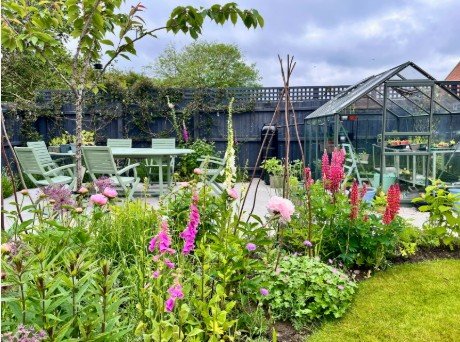
You know how a bit of colour can completely change a space? Gardens work the same way. A few well-chosen flowers can lift everything without turning it into a project.
Native plants, like lavender, foxgloves, and daisies, are your best bet. They suit the climate, don’t need constant attention, and tend to look good without much intervention. So, you won’t have to fight the weather or babysit them through every season.
It also doesn’t take much. A couple of small clusters along a border or near a seating area is usually enough to break things up and make the space feel more inviting.
Furniture Setup
Empty gardens leave people guessing. You’re basically expecting buyers to figure out where anything would go, how it would be used, and whether it’s worth the effort. Most people won’t bother; they’ll just assume it’s not quite there yet.
You don’t need a full outdoor dining set with matching cushions and a theme, though. In fact, a small table and chairs, a bench, or even a simple seating corner can completely change how your garden feels.
This will help people picture themselves there, which is exactly what you want when you’re looking for a quick sale.
Think of it less as decorating and more as storytelling. You’re showing what the space could be without saying a word.
Fence Repair and Painting
Fences are one of those things you barely register—right up until they start looking like they’ve had enough. Then suddenly they’re all you can see.
A leaning panel, peeling paint, or a mix of mismatched sections can drag the whole garden down without making a scene about it.
Fix it, though, and everything else will look better by association. A quick repair and a fresh coat of paint will give the space a clear boundary and make it feel polished.
It’s definitely not anyone’s idea of a fun weekend, but it’s effective. And it’ll give the impression that the rest of your property has been looked after with the same level of care.
And in the end, that’s what wins people over—not the flashy upgrades, but the small details that suggest nothing has been left to slide.
Conclusion
You don’t need to build a literal Versailles to see a return on your investment. By focusing on some ‘low-effort, high-reward’ touches, you can frame your garden as a lifestyle upgrade instead of a time-consuming project.
After all, most buyers want to sip a Pimm’s in the sun, not engage in a multi-year war with a stubborn patch of brambles.