

Fleas are one of the most common pests that can affect both pets and homes, causing discomfort, allergic reactions, and sometimes serious health issues. Whether you’re dealing with a single flea or a full-blown flea infestation, understanding these tiny parasites is crucial. In this guide, we’ll walk you through how to identify fleas, the best treatment options, and effective prevention strategies to keep your home and pets flea-free.
What Are Fleas and How Do They Spread?
Fleas are small, wingless insects that feed on the blood of mammals and birds. Their bites can cause itching, redness, and in some cases, flea allergy dermatitis in pets. The flea life cycle includes four stages: egg, larva, pupa, and adult, and each stage requires different approaches for control.
Fleas spread in multiple ways. Your pet may pick up fleas while walking outside, or they may enter your home on clothing, shoes, or other animals. Once inside, fleas can quickly establish an indoor flea infestation, laying eggs in carpets, bedding, and furniture. Outdoor areas such as lawns and gardens are also breeding grounds, making outdoor flea prevention equally important.
Signs of a Flea Infestation
Detecting fleas early can save you from a larger problem. Common flea infestation signs include:
- Excessive scratching or biting by pets.
- Hair loss or bald patches in pets.
- Small black specks (flea dirt) in pet fur.
- Bites on humans, often around ankles and legs.
- Fleas seen crawling on pets or household surfaces.
Even if you spot only one flea, it could indicate a larger hidden population. Understanding these early signs helps you take quick action before the infestation worsens.
How Fleas Affect Pets and Humans
Fleas are not just a nuisance; they can cause real health issues:
- Pets: Fleas may cause itching, irritation, and flea allergy dermatitis, which can lead to infection if scratched excessively. Puppies and kittens are particularly vulnerable.
- Humans: Flea bites can be itchy, red, and sometimes painful. In rare cases, they can transmit diseases. It’s important to note that humans can contribute to spreading fleas, especially in households with pets.
Proper identification and treatment are essential to protect both your pets and family members.
Immediate Flea Treatment Options
For Pets
Pets are often the first line in flea control. Effective treatment options include:
- Spot-on treatments: These are applied to the pet’s skin and provide long-lasting protection.
- Flea collars: Modern collars are safe for long-term use and prevent fleas from biting.
- Oral medications: Fast-acting pills can kill fleas within hours.
- Shampoos and sprays: Useful for immediate relief, especially for puppies and kittens.
Always choose pet-safe flea products suitable for the age and weight of your animal.
For Your Home
To tackle a flea infestation indoors:
- Flea sprays and foggers: Treat carpets, floors, and furniture.
- Vacuuming: Frequent vacuuming removes eggs, larvae, and adult fleas.
- Washing bedding: Clean all pet bedding and linens in hot water.
- Professional pest control services: For severe infestations, hiring experts may be necessary.
Combining home treatment with pet treatment ensures a complete flea elimination strategy.
Natural and Home Remedies
For those looking for eco-friendly flea removal:
- Diatomaceous earth: Sprinkle on carpets and pet bedding to dehydrate fleas.
- Essential oils: Some oils, like lavender and cedar, can repel fleas (ensure pet safety).
- Regular grooming: Brushing pets can physically remove fleas and eggs.
Natural remedies are safe, but may require repeated application and are most effective when combined with conventional treatments.
Preventing Fleas: Long-Term Strategies
Prevention is better than cure. Key steps include:
- Regular pet grooming and inspection.
- Routine use of spot-on treatments or flea collars.
- Maintaining clean indoor areas, including vacuuming carpets and washing bedding.
- Outdoor maintenance: Trim grass and remove debris to minimize outdoor flea habitats.
- Monitoring: Watch for flea infestation signs regularly to catch issues early.
Treating Fleas in Bedding and Carpets
Carpets, bedding, and upholstery are prime flea breeding areas. Effective steps:
- Vacuum thoroughly, focusing on areas where pets sleep.
- Spray carpets and furniture with flea treatment products.
- Wash bedding and pet items in hot water.
- Repeat treatments over several weeks to ensure complete elimination.
- Combining these methods with pet treatments ensures that fleas are removed from both animals and their environment.
Choosing the Right Flea Products
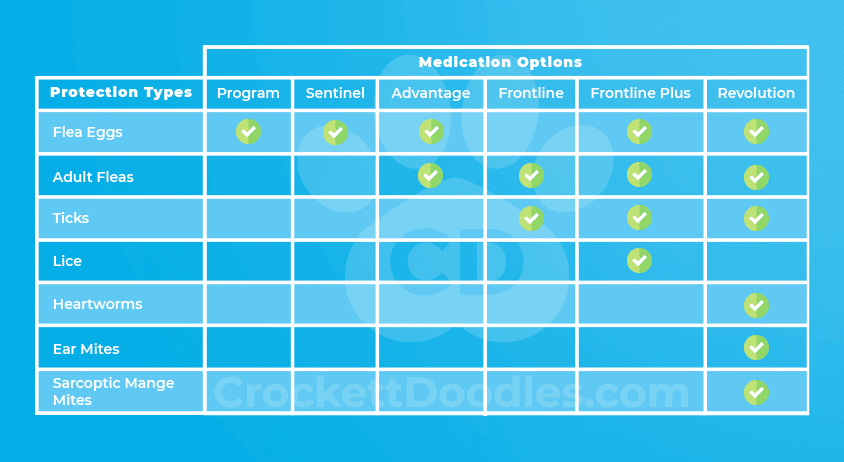
Selecting the right products for flea treatment for pets and home is crucial for effective control. There are various options available, each suited to different needs:
Flea Collars vs Spot-On Treatments
- Flea collars provide long-term protection and are convenient for continuous use. They slowly release active ingredients that repel and kill fleas.
- Spot-on treatments are applied directly to the pet’s skin, often between the shoulder blades, providing fast-acting protection for weeks.
- Many pet owners use a combination of both for maximum flea prevention.
Shampoos, Sprays, and Oral Medications
- Pet flea shampoo is ideal for immediate relief, especially during active infestations.
- Oral flea treatments are ingested and work internally, killing adult fleas quickly.
- Flea sprays can be used on carpets, furniture, and pet bedding to eliminate eggs, larvae, and adult fleas.
- Always check for pet age and weight recommendations, and choose pet-safe flea products for sensitive animals.
Chemical vs Eco-Friendly Options
- Traditional chemical treatments are highly effective but may not suit all households, especially those with young children or multiple pets.
- Eco-friendly flea removal options, like botanical sprays or diatomaceous earth, are safe and sustainable, though they may require repeated applications.
- Choosing the right approach depends on the severity of the flea infestation and your household environment.
Monitoring and Follow-Up
Even after treatment, continuous monitoring is essential to prevent a return of fleas.
- Check pets regularly for signs of scratching, redness, or flea dirt.
- Inspect bedding, carpets, and furniture for eggs or live fleas.
- Repeat flea treatment cycles according to product guidelines to target newly hatched fleas from eggs or larvae.
- Professional pest control may be needed if fleas persist despite home treatment.
- Long-term monitoring ensures that your pets and home remain safe from recurring infestations.
Tips for Flea Prevention in the Future
Preventing flea flea flea problems before they start is the most effective strategy:
- Keep pets on regular flea prevention schedules, using spot-on treatments or collars.
- Maintain a clean indoor environment with frequent vacuuming and laundering of bedding.
- Regularly groom pets to spot early signs of fleas.
- Monitor outdoor spaces where pets play to reduce outdoor flea prevention risks.
- Educate family members about checking pets and home areas regularly.
By combining treatment, prevention, and monitoring, flea problems can be managed effectively, ensuring comfort for both pets and humans.
Common Mistakes to Avoid in Flea Management
- Ignoring early signs: Fleas reproduce quickly; missing early signs can lead to a full infestation.
- Treating pets but not the home: Fleas thrive in carpets and bedding; treating only pets leaves the home vulnerable.
- Skipping preventive measures: Regular grooming and preventive products are crucial to avoid future infestations.
- Using unsafe products: Avoid unverified treatments, especially for young or sensitive pets.
- Delaying professional help: Severe infestations often require expert intervention to fully eliminate fleas.
This section ensures we cover flea control products, preventive strategies, monitoring, and mistakes to avoid, naturally integrating keywords like flea control, flea treatment for pets, flea elimination, flea prevention, indoor flea infestation, outdoor flea prevention, flea life cycle, pet-safe flea products, flea collars vs spot-on treatment, flea treatment for carpets and upholstery.