
Older buildings have a unique charm, but they also come with maintenance challenges that modern properties often avoid. One of the most significant yet frequently overlooked issues is excess moisture. Left untreated, damp conditions can gradually weaken structural materials, reduce indoor air quality, and create expensive repair problems over time. Across the UK and many other regions with changing weather conditions, property owners are becoming increasingly aware that moisture management is essential rather than optional.
Successful preservation requires more than simply repairing visible damage. It involves understanding how moisture enters a building, identifying early warning signs, and applying long-term solutions that protect both structural integrity and occupant comfort. Working with experienced London moisture control experts allows property owners to identify underlying issues before they become costly structural concerns.
Why Moisture Problems Develop in Older Buildings
Many historic and older residential buildings were constructed using materials and techniques that differ significantly from modern construction methods. While these buildings were designed to last, decades of environmental exposure can gradually affect their performance.
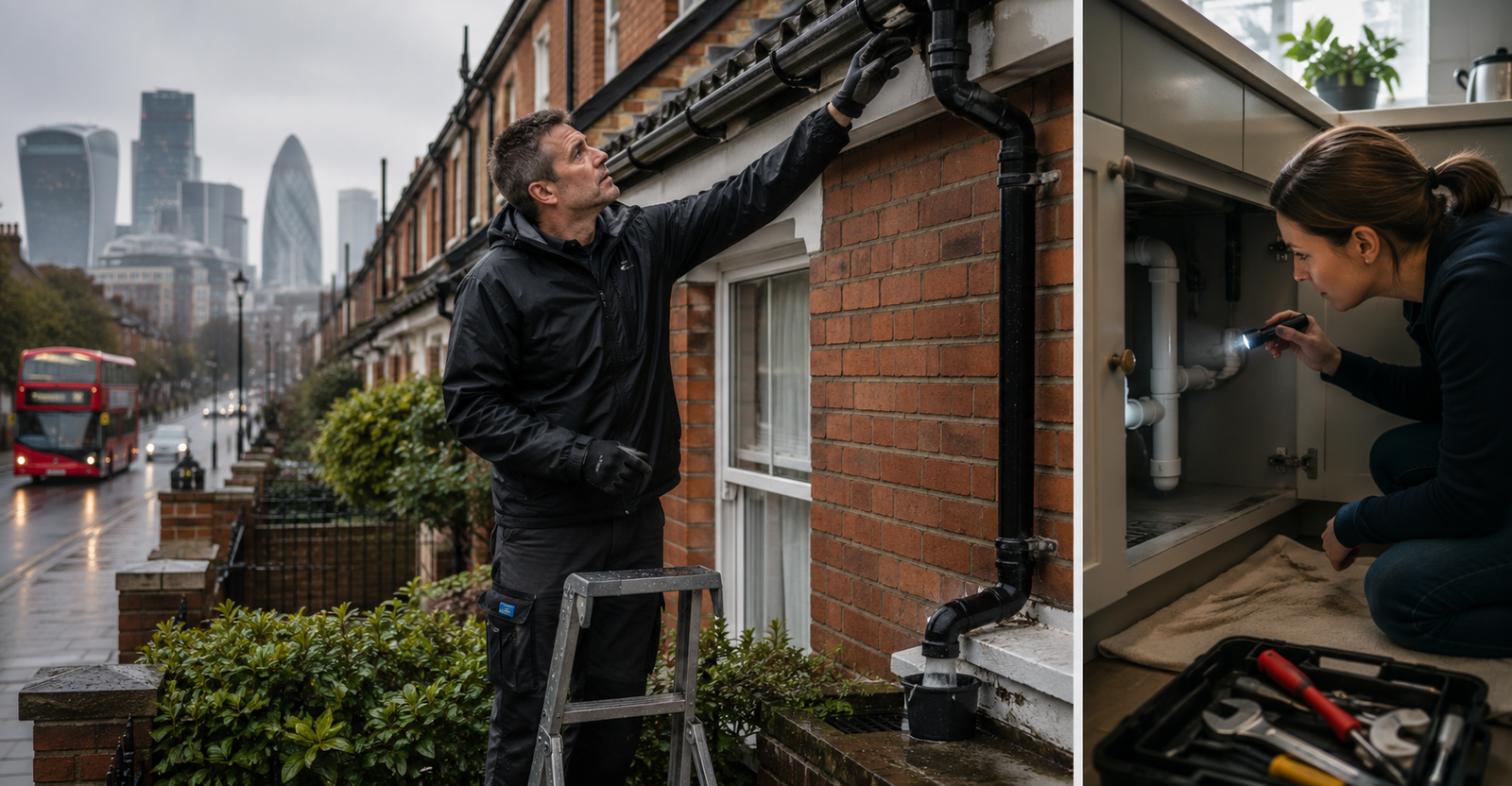
Moisture enters buildings through multiple pathways, including damaged roofing, rising damp, leaking plumbing, poor ventilation, and external wall penetration. Seasonal temperature changes can also cause condensation inside walls and roof spaces where it often remains unnoticed.
Unlike sudden structural failures, moisture damage develops slowly. Timber begins to weaken, plaster deteriorates, paint peels, and masonry absorbs excess water. Because these changes occur gradually, many property owners fail to recognize the problem until extensive repairs become necessary.
Early assessment plays an important role in preserving both residential and commercial buildings, especially those with historical or architectural significance.
Common Signs That Should Never Be Ignored
Moisture issues rarely appear overnight. Instead, buildings provide subtle warning signs long before major deterioration occurs. Recognizing these symptoms early can significantly reduce repair costs.
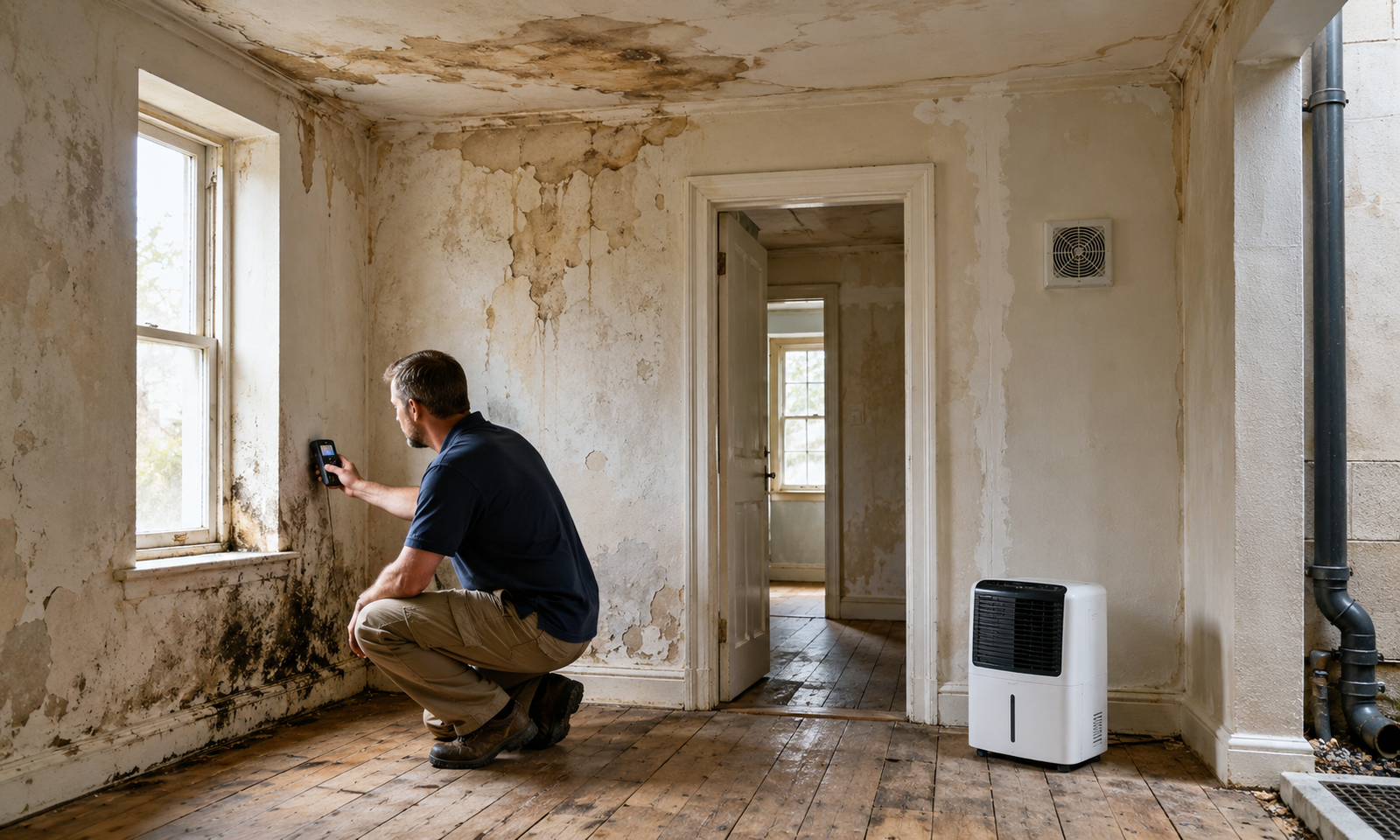
One of the most noticeable indicators is persistent damp patches on interior walls or ceilings. Musty odors are another common signal, often suggesting hidden moisture trapped behind finishes or beneath flooring. Paint bubbling, wallpaper peeling, and recurring mold growth frequently indicate excess humidity or water penetration.
Wooden structural elements deserve particular attention. Soft timber, discoloration, or visible fungal growth may suggest prolonged exposure to moisture that could eventually compromise structural stability.
Regular inspections allow these warning signs to be identified before widespread deterioration occurs. Preventive maintenance remains far more cost-effective than large-scale restoration after significant damage has developed.
Effective Moisture Control Requires a Long-Term Strategy
Temporary fixes rarely solve moisture problems permanently. Painting over damp surfaces or replacing damaged finishes without addressing the source only delays future repairs.
Comprehensive moisture control begins with identifying where water is entering the structure. This often requires evaluating drainage systems, roofing, foundations, ventilation, and wall construction. Once the underlying causes are understood, appropriate preservation measures can be implemented.
Professional moisture management may include improving ventilation, repairing external defects, installing damp-proof solutions where appropriate, and ensuring adequate airflow throughout vulnerable areas.
Organizations such as Crown Preservation specialize in diagnosing moisture-related issues using proven preservation methods that prioritize long-term structural protection rather than temporary cosmetic improvements.
Taking a strategic approach helps extend building lifespan while minimizing future maintenance costs.
Preventive Maintenance Protects Property Value
Building preservation is not only about avoiding repairs. It also helps maintain long-term property value and occupant safety.
Properties with unresolved moisture problems often experience reduced market appeal. Prospective buyers, investors, and commercial tenants recognize the financial risks associated with hidden structural deterioration. Even relatively minor moisture issues can influence property inspections and valuation outcomes.
Routine maintenance programs allow building owners to monitor vulnerable areas before serious damage develops. Roof inspections, drainage maintenance, gutter cleaning, and ventilation improvements all contribute to effective moisture management.
For heritage properties, preventive preservation is particularly valuable because replacing original construction materials is often expensive and sometimes impossible. Protecting existing structures through regular maintenance helps preserve historical character while reducing restoration costs.
A proactive maintenance schedule remains one of the most effective investments property owners can make.
Modern Preservation Combines Traditional Knowledge with Advanced Diagnostics
Today’s preservation industry benefits from technologies that make moisture detection more accurate than ever before. Thermal imaging, moisture meters, and advanced inspection techniques allow specialists to identify hidden problems without causing unnecessary damage to building materials.
However, technology alone is not enough. Effective preservation also requires understanding how traditional building materials behave over time. Historic brickwork, lime mortar, timber framing, and older construction methods respond differently to moisture than modern materials.
Combining modern diagnostic tools with practical preservation expertise enables more accurate assessments and targeted repairs. Rather than replacing large sections unnecessarily, professionals can focus on resolving the underlying cause while preserving as much of the original structure as possible.
This balanced approach supports sustainability by extending building life while reducing unnecessary material waste and costly reconstruction.
Conclusion
Moisture damage remains one of the most common threats to older buildings, yet it is also one of the most preventable when addressed early. Recognizing warning signs, conducting regular inspections, and implementing comprehensive moisture management strategies can significantly reduce long-term repair costs while protecting structural integrity.
Whether maintaining residential homes, commercial properties, or historic buildings, successful preservation depends on identifying root causes rather than treating visible symptoms alone. As preservation practices continue to evolve through improved diagnostics and specialized expertise, property owners who prioritize proactive maintenance will be better positioned to safeguard their investments for decades to come. A long-term commitment to moisture control is ultimately a commitment to preserving both the value and longevity of every building.