

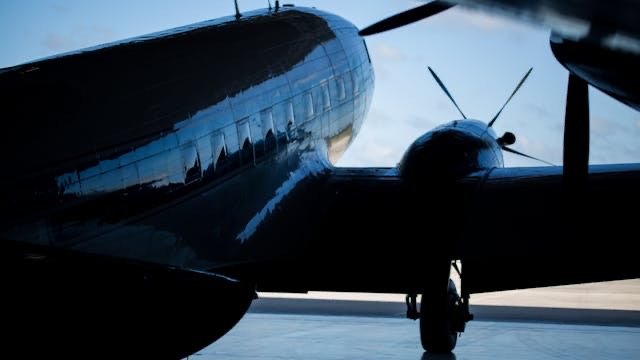
Modern aviation has transformed dramatically over the past few decades. What began as rudimentary flying machines in the early 20th century has evolved into the sophisticated technological marvels that define air travel today. The passenger experience now bears little resemblance to what travelers encountered even twenty years ago, and that’s thanks to groundbreaking innovations that have revolutionized safety, efficiency, comfort, and environmental sustainability. These technological advancements haven’t just made flying more accessible to millions worldwide; they’ve fundamentally altered the economics and operational capabilities of the entire aviation industry.
Composite Materials Revolutionizing Aircraft Construction
The introduction of advanced composite materials represents one of the most significant structural innovations in aviation history. Modern aircraft like the Boeing 787 Dreamliner and Airbus A350 utilize carbon fiber reinforced polymers for approximately fifty percent of their structural components, replacing the traditional aluminum alloys that dominated aircraft construction for decades. These composite materials offer exceptional strength-to-weight ratios, allowing manufacturers to reduce overall aircraft weight by up to twenty percent compared to conventional designs. That weight reduction translates directly into improved fuel efficiency, extended range capabilities, and reduced operating costs for airlines, benefits that often get passed along to passengers through competitive pricing.
Fly-by-Wire Systems Enhancing Flight Control
The transition from mechanical flight control systems to electronic fly-by-wire technology has fundamentally changed how pilots interact with aircraft. Traditional control systems used physical cables, pulleys, and hydraulic systems to transmit pilot inputs directly to control surfaces, creating limitations in responsiveness and requiring significant physical effort from pilots. Fly-by-wire systems replace these mechanical linkages with electronic sensors and computers that interpret pilot commands and optimize control surface movements for maximum efficiency and safety. These sophisticated systems continuously monitor flight parameters and can automatically prevent pilots from exceeding the aircraft’s structural or aerodynamic limits, effectively eliminating many causes of accidents that plagued earlier generations of aircraft.
Advanced Avionics and Glass Cockpits
The evolution from analog instruments to integrated glass cockpit displays has transformed flight deck operations and significantly enhanced situational awareness for pilots. Modern aircraft feature large, high-resolution display screens that consolidate information from dozens of systems into intuitive graphical presentations, replacing the bewildering array of individual gauges and instruments that characterized older cockpits. These advanced avionics systems integrate navigation, weather, terrain, traffic, and aircraft systems information into unified displays that pilots can customize based on flight phase and operational needs. The technology enables pilots to process information more quickly and make better-informed decisions, particularly during high-workload situations such as adverse weather or system malfunctions, situations that previously demanded intense concentration and physical instrument scanning.
Engine Efficiency and Environmental Performance
Contemporary turbofan engines represent quantum leaps in efficiency, reliability, and environmental performance compared to their predecessors from just two decades ago. The latest generation of engines, including the Pratt & Whitney PW1000G geared turbofan and CFM International LEAP series, achieve fuel efficiency improvements of fifteen to twenty percent over previous models through innovations in materials, aerodynamics, and thermodynamic cycles. Advanced fan blade designs featuring swept configurations and composite construction move air more efficiently while producing significantly less noise, making modern aircraft substantially quieter during takeoff and landing operations, a development that nearby communities certainly appreciate. High-bypass ratio designs route most air around the engine core rather than through it, improving propulsive efficiency while reducing emissions of nitrogen oxides and other pollutants.
Cabin Pressurization and Environmental Control
Modern environmental control systems have revolutionized passenger comfort by managing cabin pressure, temperature, humidity, and air quality with unprecedented sophistication. Contemporary aircraft maintain cabin altitudes as low as six thousand feet compared to eight thousand feet in older models, reducing passenger fatigue, dehydration, and susceptibility to jet lag on long flights, a difference that frequent travelers notice immediately. Advanced air filtration systems incorporating HEPA filters remove more than ninety-nine percent of airborne particles including bacteria and viruses, creating healthier cabin environments and reducing disease transmission risks. The integration of composite fuselages allows higher cabin humidity levels without corrosion concerns, addressing one of the most common passenger complaints about dry cabin air that leaves skin feeling parched and throats scratchy.
Connectivity and In-Flight Entertainment Systems
The integration of satellite communications and wireless networking has transformed the passenger experience by bringing unprecedented connectivity to the aircraft cabin. Modern in-flight entertainment systems offer high-definition displays, extensive content libraries, and interactive features that rival home entertainment systems, making long flights significantly more enjoyable than the days of shared overhead screens playing a single movie. Passengers can now maintain productivity or stay connected with family and friends through broadband internet access that enables video calls, streaming services, and real-time information access at cruising altitude. The evolution toward wireless streaming systems eliminates the need for heavy seatback entertainment hardware, allowing airlines to reduce aircraft weight while providing passengers greater flexibility through personal device integration. Advanced cabin management systems enable passengers to control lighting, temperature, and entertainment options through intuitive touchscreen interfaces or smartphone applications, putting control literally at their fingertips. When optimizing cabin environments for passenger comfort, professionals who need to upgrade aircraft lighting systems rely on aviation LED lighting to provide energy-efficient illumination with programmable sequences that reduce jet lag effects by simulating natural day-night cycles during long-haul flights. These connectivity and entertainment technologies have fundamentally changed passenger expectations and transformed how people perceive and utilize their time during flights, turning what was once dead time into productive or entertaining hours.
Conclusion
The technological developments transforming modern aviation demonstrate the industry’s unwavering commitment to continuous improvement in safety, efficiency, comfort, and environmental responsibility. From revolutionary composite materials and sophisticated flight control systems to advanced engines and enhanced passenger connectivity, each innovation contributes to a fundamentally superior flying experience compared to previous generations. These technologies work synergistically to create aircraft that are safer, more reliable, more comfortable, and more environmentally sustainable than ever before. As aviation technology continues to advance with developments in electric propulsion, autonomous systems, and artificial intelligence, passengers can anticipate even more dramatic improvements in how they fly.