

When it comes to facial aesthetics and self-improvement trends, few practices have captured attention like mewing. From social media trends among Gen Z to serious discussions among orthodontic enthusiasts, mewing has become synonymous with a defined jawline, improved facial symmetry, and even better oral health. But what exactly is mewing, and how does correct tongue posture truly impact your facial structure? This article explores the science, techniques, benefits, and real-life results of mewing, offering a complete guide for beginners and advanced practitioners alike.
What is Mewing?
Mewing Meaning and Definition
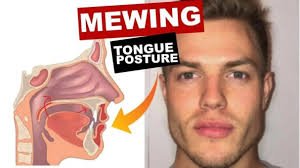
At its core, mewing is a technique focused on proper tongue position and oral posture. It involves placing the tongue fully against the roof of your mouth, keeping your lips lightly closed, and maintaining a natural bite. This simple adjustment can influence jaw alignment, upper jaw development, and even facial muscle tone over time. While some may perceive it as merely a trend, mewing has roots in orthotropics and facial growth theories.
In essence, mewing is more than just facial exercises; it’s a lifestyle adjustment for long-term benefits. Practitioners often report improvements in jawline definition, chin projection, and overall facial symmetry.
Mewing in Modern Culture
The popularity of mewing skyrocketed in recent years, especially on platforms like TikTok and Instagram. Among Gen Z, mewing is often referenced in slang as a method to achieve “face gains,” a subtle way of improving appearance naturally without surgery. This cultural fascination has sparked millions of searches for terms like mewing jawline, mewing before and after, and mewing exercises.
Anatomy Behind Mewing
Understanding the impact of mewing requires a look at facial anatomy:
- Tongue posture: The foundation of mewing, the tongue should rest against the palate.
- Maxilla positioning: Proper tongue placement can influence the upper jaw over time, enhancing facial structure.
- Jaw alignment and TMJ (temporomandibular joint): Mewing promotes healthier bite posture and may reduce strain.
- Facial muscles: Correct posture engages the muscles of the cheeks, jaw, and chin, gradually improving tone and symmetry.
By maintaining consistent mewing posture, individuals can stimulate subtle structural changes that, over months or years, lead to noticeable improvements.
How Do You Do Mewing?
Correct Mewing Posture
Performing mewing correctly is essential. A few steps can help beginners understand how to mew properly:
- Close your lips gently without straining.
- Place your entire tongue against the roof of your mouth. Focus on tongue posture exercises to ensure even contact.
- Keep your teeth lightly touching or slightly apart, maintaining a relaxed jaw.
- Breathe through your nose instead of your mouth to reinforce correct oral posture.
Consistency is key. Practicing mewing daily routine ensures that your muscles adapt gradually without discomfort.
Mewing Exercises for Jaw and Face
While basic mewing requires minimal movement, combining it with mewing exercises for jaw and mewing exercises for face can accelerate results:
- Jawline exercises with mewing: Engage your jaw muscles while holding tongue posture. Simple movements like controlled chewing or gentle jaw clenching strengthen the jawline.
- Mew ing and chewing exercises: Chewing sugar-free gum can complement mew ing, encouraging proper facial muscle development.
- Mew ing mouth posture drills: Regularly check that your tongue maintains contact with the palate during daily activities.
Advanced practitioners often adopt advanced mew ing techniques, which include slight head posture adjustments, facial stretches, and orthodontics-guided exercises to further enhance results.
Age-Specific Considerations
Mew ing isn’t one-size-fits-all. Its effects can vary based on age:
- Mew ing for teenagers: Younger facial bones are more malleable, so early practice may yield quicker results.
- Mew ing for adults: Facial bone adaptation is slower, but muscle tone and posture improvements are still significant.
- Mew ing after braces: Post-orthodontic patients often use mew ing to maintain proper alignment and support upper jaw development.
For all ages, consistency and patience are crucial for mew ing improvement.
Benefits of Mewing
Facial Structure and Aesthetics
The primary appeal of mew ing is its facial transformation potential:
- Mew ing for stronger jawline – Enhances definition and projects the chin naturally.
- Mew ing for facial symmetry – Gradual correction of minor imbalances in jawline and cheeks.
- Mew ing for defined chin and better profile – Improved bone alignment can subtly lift and shape the face.
- Mew ing for aesthetics – Creates a more youthful, harmonious appearance.
People often track mew ing before and after photos to visualize progress, and mew ing progress timeline discussions are common in online forums. While results take months or even years, subtle changes can be noticeable to friends and family.
Health-Related Benefits
Mew ing also has practical health advantages:
- Encourages proper oral posture, which may reduce TMJ strain.
- Supports maxilla positioning for improved bite.
- Enhances breathing, especially for those who habitually breathe through the mouth.
- Promotes proper facial muscle engagement, improving tone and potentially reducing sagging over time.
Related Practices and Exercises
Mew ing works best in combination with other facial and jawline exercises:
- Facial exercises – Cheek lifts, jaw stretches, and tongue presses.
- Jawline exercises – Chin lifts, jaw jutting, and resistance training for muscles.
- Orthodontic exercises – Corrective practices for bite alignment.
- Orthotropics and tongue posture therapy – Professional guidance to optimize upper jaw development and long-term results.
Mewing Myths and Scientific Insights
Despite its popularity, mew ing is surrounded by myths and misinformation. Many people ask, “does mew ing work?” or doubt whether proper tongue posture can truly influence facial structure. To address these concerns, it’s important to separate mew ing truth from exaggerations.
Scientific Perspectives on Mewing
Orthodontists and oral health experts agree that mew ing can support facial posture and jaw alignment, especially when practiced consistently. Research indicates that proper tongue placement engages facial muscles and may encourage subtle skeletal changes over time, particularly in younger individuals whose bones are still developing.
Key points supported by science include:
- Jaw alignment improvement: Correct tongue posture helps maintain a proper bite and may reduce strain on the TMJ (temporomandibular joint).
- Muscle engagement: Continuous mew ing strengthens facial muscles, enhancing jawline definition and overall facial symmetry.
- Oral posture correction: By promoting proper oral posture, mew ing can aid in breathing through the nose, potentially reducing mouth-breathing complications.
However, skeptics caution that dramatic facial changes seen in some online “before and after” images may be influenced by lighting, weight changes, or cosmetic procedures rather than mew ing alone. Therefore, realistic expectations are critical. Mew ing is most effective when combined with facial exercises, orthodontic guidance, and long-term commitment.
Common Mewing Myths
- Mew ing instantly reshapes your jawline – True structural changes take months or years, not days.
- Mew ing can replace orthodontics – Mew ing supports facial posture but cannot correct major bite issues on its own.
- Mew ing works the same for everyone – Results vary by age, bone structure, and consistency.
- All mew ing techniques are equally effective – Proper tongue placement, posture, and adherence to routine are crucial.
Understanding the science-backed principles behind mew ing ensures that practitioners focus on sustainable results rather than chasing viral trends.
Tools, Apps, and Tutorials to Support Mewing
Practicing mew ing correctly can be easier with the help of modern tools and resources. Many beginners and advanced users benefit from visual guides, tutorials, and apps that reinforce correct mew ing posture.
Mewing Tutorials and Videos
- Mew ing YouTube videos offer step-by-step instructions for beginners.
- Visual guides demonstrate how to mew properly, maintain tongue posture, and incorporate jawline exercises with mew ing.
- Tutorials often include daily routine recommendations and tips to avoid common mistakes.
Mewing Apps and Digital Tools
- Mew ing apps provide reminders, track posture, and allow users to log progress over time.
- Some apps include guide PDFs or instructional videos for advanced mew ing techniques.
- These tools help maintain consistency, which is essential for long-term mew ing improvement.
Online Guides and Tips
- Several dental and orthodontic platforms offer mew ing tips online and structured mew ing training.
- Resources include explanations of jaw alignment, maxilla positioning, and upper jaw development, making it easier for users to understand the anatomical impact.
- Guided programs can also teach complementary facial exercises, tongue posture therapy, and natural jawline enhancement strategies.
Integrating Mewing With Facial and Jawline Exercises
Mew ing works best as part of a broader facial fitness regimen. Combining mew ing with facial exercises can accelerate visible results and improve overall oral posture.
Recommended Exercises
- Jawline lifts and resistance exercises – Strengthen the jaw muscles while holding tongue posture.
- Cheek and facial stretches – Improve symmetry and engage facial muscles along with mew ing.
- Orthodontic exercises – Support proper bite posture and upper jaw development.
- Daily micro-routines – Short, consistent sessions focusing on tongue placement and mew ing posture reinforce long-term improvements.
Benefits of Integrated Practice
- Enhances mew ing results beyond posture alone.
- Supports TMJ health and reduces discomfort caused by poor oral posture.
- Encourages facial aesthetics improvement, including a more defined chin and stronger jawline.
- Facilitates long-term adaptation of facial structure, especially in teenagers and young adults.
Practical Tips for Consistent Mewing
Maintaining mew ing as a habit requires awareness and proper technique. Some practical tips include:
- Regular reminders: Use apps or sticky notes to check tongue posture throughout the day.
- Breathing through the nose: Supports oral posture and encourages proper tongue placement.
- Gradual adaptation: Avoid tension in jaw and lips; muscles take time to strengthen.
- Track progress: Use before and after photos to monitor subtle changes in jawline and facial symmetry.
- Combine with healthy lifestyle: Proper nutrition and posture improve facial muscle tone, maximizing mew ing benefits.
By following these guidelines, mew ing becomes a sustainable practice rather than a short-term trend.