

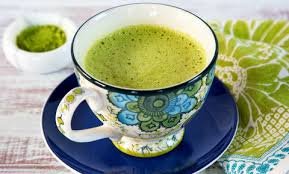
Matcha has become one of those drinks people feel curious about long before they ever taste it. You see it everywhere, bright green lattes, minimalist cafés, TikTok videos, wellness routines, but the same question keeps coming up: what does matcha taste like, really?
For first-time drinkers, matcha can feel intimidating. It doesn’t look like regular tea, it doesn’t smell like coffee, and the way people describe its flavor often sounds confusing or even off-putting. Some say it’s grassy. Others call it creamy or smooth. A few even say it tastes like the ocean. So what’s actually true?
The honest answer is that matcha has a very distinct flavor profile, and understanding it beforehand makes the first sip far less surprising.
What Does Matcha Taste Like?
At its core, matcha tastes earthy, vegetal, and rich, with a balance between slight bitterness and natural sweetness. Unlike steeped green tea, matcha is made from finely ground green tea powder that you drink whole, not strained out. That alone explains why the matcha tea taste feels more intense and full-bodied.
The matcha flavor profile is often described as:
- Smooth rather than sharp
- Mellow instead of harsh
- Deep and layered rather than light
When made well, matcha doesn’t hit your tongue aggressively. It spreads slowly, with a creamy mouthfeel and a fresh taste that lingers.
That said, the taste of matcha can vary dramatically depending on quality, preparation, and whether it’s mixed with milk or sweeteners.
Breaking Down Matcha’s Flavor, One Layer at a Time
People struggle to describe matcha because it doesn’t taste like most everyday drinks. It’s not fruity. It’s not sugary. And it’s not roasted like coffee.
Earthy and grassy flavors explained
The earthy taste and grassy flavor come from the tea leaves themselves. Matcha is grown in shade, which increases chlorophyll and amino acids. That’s why the flavor feels “green” in a very literal way.
Some people compare it to fresh-cut grass or spinach. That spinach-like taste isn’t a flaw—it’s a sign you’re tasting the leaf, not just brewed tea water.
Vegetal and umami notes
Good matcha has a clear umami flavor. This is the same savory depth found in foods like mushrooms, seaweed, or aged cheese. In matcha, umami creates richness and balance, softening bitterness and adding complexity.
This is also where oceanic notes or a mild seaweed flavor sometimes come in. When subtle, they add depth. When overwhelming, it usually points to low quality or poor preparation.
Sweetness and bitterness in balance
High-quality matcha is slightly bitter but naturally sweet at the same time. The sweetness isn’t sugary, it’s more like a soft, lingering roundness that appears after the sip.
If matcha tastes aggressively bitter, something is off. Either the powder is low quality, old, or made with water that’s too hot.
What Does Matcha Taste Like for the First Time?
For first-time drinkers, matcha can be surprising. Many expect it to taste like green tea bags or sweet café drinks. Instead, they get something thicker, greener, and more intense.
Common first reactions include:
- “This is stronger than I expected”
- “It tastes grassy, but not in a bad way”
- “It’s weird… but interesting”
- “I don’t hate it, but I need another sip”
This is why people ask if matcha is an acquired taste. For some, yes, it takes a few tries. For others, especially those who enjoy savory flavors, it clicks immediately.
If you’re wondering will I like matcha? the answer often depends on how it’s prepared the first time.
Does Matcha Taste Like Grass?
This is one of the most searched questions for a reason.
Yes, matcha can taste grassy, but fresh, vibrant grass, not lawn clippings. When people say matcha tastes like grass in a negative way, they’re usually tasting bitterness without balance.
High-quality Japanese matcha tastes grassy in the same way fresh spinach or herbs taste green, clean, not harsh.
Matcha Taste Compared to Other Drinks
What does matcha taste like compared to green tea?
Matcha vs green tea taste is one of the biggest differences new drinkers notice. Brewed green tea is light and watery. Matcha green tea taste is thick, bold, and more intense because you’re consuming the entire leaf.
Green tea feels refreshing. Matcha feels grounding.
Matcha vs coffee taste
Compared to coffee, matcha tastes far less acidic and less bitter. Coffee bitterness hits fast and sharp. Matcha bitterness, when present, is softer and fades into umami and sweetness.
This is why many people who dislike coffee still enjoy matcha.
What Does a Matcha Latte Taste Like?
A matcha latte taste is very different from plain matcha.
Milk softens bitterness and highlights matcha’s creamy mouthfeel. The grassy notes become gentler, and the drink feels smoother and rounder.
Matcha with milk taste is often described as:
- Mildly sweet
- Creamy
- Comforting
This is why matcha lattes are usually recommended for beginners.
Why Does Some Matcha Taste Bitter?
People often assume matcha tastes bad when it’s bitter, but bitterness usually has a reason.
Bitter matcha reasons include:
- Low quality or culinary-grade powder used for drinking
- Old matcha that’s lost freshness
- Water that’s too hot
- Too much powder for the amount of water
High quality matcha flavor should never feel harsh or unpleasant.
Ceremonial Grade vs Culinary Grade Matcha Taste
Ceremonial grade matcha taste is smoother, sweeter, and more balanced. It’s meant to be consumed on its own with water.
Culinary grade matcha taste is stronger and more bitter. It’s designed for baking, cooking, or sweetened drinks, not plain drinking.
This distinction explains why some people hate matcha after their first cup. They unknowingly tried the wrong type.
Fresh Matcha vs Old Matcha Taste
Fresh matcha taste is bright, smooth, and vibrant. Old matcha taste is dull, flat, and bitter.
Matcha degrades quickly when exposed to light, heat, and air. That’s why freshness matters more than many people realize.
How Preparation Changes the Taste of Matcha
Hot matcha vs iced matcha
Hot matcha brings out umami and bitterness more strongly. Iced matcha tastes lighter and less bitter, making it popular with beginners.
Unsweetened matcha taste vs sweetened
Unsweetened matcha taste highlights quality. Sweeteners don’t fix bad matcha, they just hide flaws.
When matcha tastes naturally sweet, no sugar is needed.
Does Matcha Taste Fishy?
This question comes up often, especially online.
Matcha is not meant to taste fishy. However, some people notice a fishy or ocean-like note when:
- The matcha is low quality
- The powder is stale
- The flavor is extremely umami-forward
A mild seaweed flavor can be normal. A strong fishy taste is not.
What Is Matcha Flavor Similar To?
People often compare matcha to spinach, seaweed, or grass. These comparisons help, but they’re incomplete.
A better way to think about matcha is savory green tea with umami. Nothing tastes exactly like it, which is why descriptions vary so much.
Why Is Gen Z Obsessed With Matcha?
Gen Z’s obsession with matcha isn’t just about taste. It’s about experience.
Matcha offers:
- Smooth energy instead of caffeine spikes
- Aesthetic appeal
- Flavor versatility in lattes and iced drinks
- A wellness-focused image
The matcha drinking experience feels intentional, calm, and customizable, something younger audiences value.
What Does Matcha Do to Your Body?
While taste is the focus, people often wonder how matcha feels after drinking it.
Matcha provides steady energy and focus without the crash associated with coffee. This smooth effect often changes how people perceive its taste over time.
How Should Matcha Taste When Made Correctly?
When prepared properly, matcha tastes:
- Smooth, not chalky
- Balanced, not harsh
- Rich, not watery
- Fresh, not flat
If matcha tastes too bitter or unpleasant, the issue is usually quality or technique—not matcha itself.
Can Matcha Taste Sweet Naturally?
Yes. High-quality matcha can taste subtly sweet without sugar. This natural sweetness comes from amino acids developed during shading.
It’s soft, lingering, and part of what makes good matcha so enjoyable.
Tips for First-Time Matcha Drinkers
Trying matcha for the first time can be intimidating, but a few simple strategies make the experience far more enjoyable:
- Start with a latte or milk-based drink: The creaminess balances natural bitterness and brings out sweetness. Matcha with milk taste is ideal for beginners.
- Use the right water temperature: Too-hot water extracts more bitterness. Aim for 70–80°C (158–176°F) for the best balance.
- Measure carefully: Too much matcha powder can overwhelm your palate. A level teaspoon for a single serving is usually enough.
- Whisk thoroughly: A proper whisking motion produces a frothy, smooth mouthfeel and blends the powder evenly.
By following these tips, first-time drinkers are more likely to appreciate the full spectrum of matcha flavor, from its earthy, grassy base to its natural sweetness and creamy notes.
Exploring Matcha Variations
Different matcha preparations highlight different aspects of its taste profile:
Hot Matcha
Hot matcha emphasizes the umami flavor and natural sweetness. You’ll notice its earthy taste and subtle grassy undertones more strongly in a warm cup. This is ideal if you want to experience ceremonial grade matcha as it was traditionally intended.
Iced Matcha
Iced matcha softens bitterness and highlights creaminess, especially when mixed with milk. The fresh taste becomes more apparent, and the drink feels lighter and more refreshing. Iced matcha is perfect for warm weather or casual café settings.
Matcha Latte
Adding milk or milk alternatives transforms matcha into a smooth, creamy mouthfeel beverage. The latte enhances sweetness and reduces any harsh grassy notes, making it easier for beginners to enjoy. Matcha latte taste is why many people fall in love with matcha on their first try.
Common Misconceptions About Matcha Taste
Matcha has a reputation for being bitter or “weird,” but much of this comes from misunderstandings:
- All matcha is not bitter: High-quality ceremonial grade matcha is naturally balanced, with smooth, mellow taste and subtle sweetness.
- Matcha is not always strong tasting: Preparation affects intensity. Powder-to-water ratio and water temperature play a big role.
- Not all matcha tastes fishy: A slight seaweed or oceanic note can occur naturally, but a strong fishy taste signals low-quality or old powder.
Understanding these misconceptions helps first-time drinkers approach matcha without fear, and it highlights why preparation and quality matter.
Why Some Matcha Tastes Bitter
If you’ve ever had a bitter cup of matcha, you’re not alone. Several factors contribute:
- Low-quality or old matcha taste: Stale powder loses sweetness and becomes overly bitter.
- Water that’s too hot: Boiling water extracts more tannins, intensifying bitterness.
- Improper powder-to-water ratio: Using too much powder can overwhelm the flavor.
- Culinary grade vs ceremonial grade: Culinary grade matcha is designed for recipes and is naturally stronger and more bitter than ceremonial grade intended for drinking.
By addressing these issues, you can ensure that your cup highlights smooth taste, umami flavor, and naturally sweet notes, rather than unpleasant bitterness.
Comparing Matcha to Other Drinks
Matcha vs Green Tea
While both come from the Camellia sinensis plant, matcha green tea taste differs from steeped green tea. Drinking matcha involves consuming the whole powdered leaf, making the taste richer, more layered, and intense. Green tea is lighter, softer, and more delicate.
Matcha vs Coffee
Matcha vs coffee taste is another common comparison. Coffee delivers sharp, roasted bitterness and acidity. Matcha offers smooth, grassy bitterness with natural sweetness and umami depth. The energy boost from matcha is gentler and longer-lasting.
Matcha vs Other Herbal Drinks
Unlike herbal teas, matcha has a savory green flavor. Some beginners describe it as earthy or spinach-like, but the taste is complex and layered, providing a full-bodied drinking experience.
Matcha for Everyday Enjoyment
Understanding what matcha tastes like allows you to explore its versatility:
- Hot matcha for ceremonial or mindful drinking
- Matcha latte for a sweet, creamy experience
- Iced matcha for refreshment on warm days
- Culinary matcha in smoothies, baked goods, or desserts
Each preparation brings out different elements of the matcha flavor profile, from earthy and vegetal to smooth, naturally sweet, and umami-forward.
Enhancing the Matcha Experience
To make your matcha experience enjoyable:
- Invest in good quality matcha: Ceremonial grade for drinking, culinary grade for recipes.
- Whisk properly: Use a bamboo whisk for smooth, frothy consistency.
- Adjust sweetness gradually: Start with little sugar or milk to learn the natural flavor.
- Experiment with temperature: Hot, warm, or cold, all bring out different aspects of taste.
These simple steps allow you to fully appreciate matcha’s unique flavor, creamy mouthfeel, and rich aroma, making every sip memorable.