

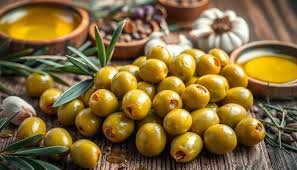
Olives may be small, but they carry a history, flavor, and cultural weight far bigger than their size. Found on pizza slices, tucked into salads, blended into pastas, or served simply as table olives, olives have quietly become a staple of kitchens across the world. Whether you think of them as a salty snack, a traditional Mediterranean ingredient, or the fruit behind olive oil, olives hold a unique place in everyday food culture.
At their core, olives are an edible fruit, harvested from the olive tree and transformed through careful curing into something deeply flavorful. Fresh olives picked straight from the tree are intensely bitter and inedible, which is why almost every olive you eat has gone through some form of processing. From brined olives to fermented olives, the journey from orchard to plate is what gives olives their signature taste.
Today, olives are enjoyed not only for their flavor but also for their nutrition, versatility, and connection to long-standing food traditions. Let’s explore what olives really are, where they come from, and why they continue to be loved worldwide.
What Are Olives and Why Are They Considered a Fruit?
Many people are surprised to learn that olives are technically a fruit, not a vegetable. More specifically, olives are a type of stone fruit, similar to cherries or peaches, with a single pit at the center. This olive fruit grows on evergreen olive trees, which can live for hundreds—and sometimes thousands, of years.
Fresh olives straight off the tree are not edible. Raw olives contain natural compounds that make them extremely bitter. This bitterness is the reason olives must be cured before they become the olive food we recognize. Once cured, olives turn into the brined edible fruit served in jars, bowls, and dishes around the world.
What makes olives stand out among fruits is their high fat content. Unlike sweet fruits, olives are rich in healthy fats, which is why they’re closely linked to olive oil and the Mediterranean diet. Their savory profile, firm texture, and salty bite make them feel more like a snack or garnish than a fruit, but botanically, their classification is clear.
Where Do Olives Come From? A Look at Olive Trees and Origins
The story of olives begins thousands of years ago. Olives are one of the oldest cultivated fruits in human history, with evidence of olive farming dating back over 6,000 years. The olive tree is believed to have originated in the eastern Mediterranean region, spreading through Southern Europe, North Africa, and parts of the Middle East.
How Olives Grow on the Olive Tree
Olives grow on sturdy, slow-growing olive trees that thrive in warm, dry climates. An olive orchard can remain productive for generations, making olive farming both an agricultural and cultural legacy.
Olive trees prefer:
- Mild winters and hot summers
- Well-drained soil
- Plenty of sunlight
As olives mature on the tree, they change color—from green to purple to black, depending on the variety and harvest time. These olive growing regions, especially around the Mediterranean, have shaped the flavors and types of olives we eat today.
Types of Olives You’ll See on Tables Around the World
One of the reasons olives are so widely loved is their incredible variety. Different climates, harvest times, and curing methods create olives with distinct tastes, textures, and appearances.
Green Olives vs Black Olives
The difference between green olives and black olives mostly comes down to ripeness. Green olives are harvested earlier, while black olives are left to ripen longer on the tree.
- Green olives tend to be firmer, sharper, and slightly bitter
- Black olives are softer, milder, and richer in flavor
This distinction also affects nutrition, taste comparison, and culinary uses.
Popular Mediterranean and Regional Olives
Across the Mediterranean and beyond, specific olives are closely tied to regional cuisines:
- Kalamata olives – Deep purple, almond-shaped, and rich, commonly associated with Greek olives
- Manzanilla olives – Small, green Spanish olives often used as table olives
- Castelvetrano olives – Bright green Italian olives with a buttery, mild taste
- Arbequina olives – Small olives often used for olive oil production
- Gaeta olives – Dark Italian olives with a soft texture
- Cerignola olives – Large, meaty olives popular in Italian cuisine
- Nicoise olives – Small, dark olives used in French dishes
- Moroccan olives – Often cracked or spiced, bold in flavor
These varieties show how olives reflect local traditions and tastes.
Stuffed, Pitted, and Whole Olives Explained
Modern olives are sold in many forms. Pitted olives remove the stone for convenience, while whole olives keep the pit intact for better texture. Stuffed olives are filled with ingredients like peppers, garlic, or cheese, turning them into popular appetizers and snack ideas.
How Olives Are Made Edible (Curing, Brining, and Fermentation)
Raw olives straight from the olive tree are too bitter to eat. This is where curing comes in. The olives curing process removes bitterness and enhances flavor.
Common methods include:
- Brining: Olives are soaked in saltwater over weeks or months
- Fermentation: Natural bacteria break down bitter compounds
- Dry curing: Olives are packed in salt, resulting in a wrinkled texture
- Water curing: Olives are soaked in fresh water with frequent changes
Each method produces cured olives with unique flavors and textures. This careful processing is why olives can taste salty, tangy, or slightly bitter depending on the style.
Olives Nutrition and What They Actually Do for Your Body
Olives are often praised for their nutrition, especially in traditional diets.
Olives nutrition highlights include:
- Healthy monounsaturated fats
- Moderate calories
- Antioxidants that support overall health
- Small amounts of vitamins and minerals
Because olives are cured in brine, olives sodium content can be high, which is something to be mindful of when eating them regularly.
Olives Health Benefits People Care About Most
Many people ask, are olives healthy? In moderation, olives can support:
- Heart health due to healthy fats
- Reduced inflammation thanks to antioxidants
- Better cholesterol balance
This is why olives are closely linked to the Mediterranean diet and often recommended as part of a balanced eating pattern.
Are Olives Actually Healthy or Should You Limit Them?
While olives are good for you, they’re not something most people should eat in unlimited amounts. The high salt content means people with blood pressure concerns should watch portion sizes.
Common concerns include:
- Are olives bad for you if eaten daily?
- Are olives processed in unhealthy ways?
The answer depends on quantity. A small serving of olives daily can fit into a healthy diet, but overconsumption may lead to excess sodium intake.
How Many Olives Should You Eat a Day?
For most people, a reasonable daily portion is about 5 to 10 olives, depending on size and salt content. This amount provides flavor, healthy fats, and satisfaction without excessive sodium. Green olives and black olives may differ slightly in calories and fat, but moderation matters more than color.
How Olives Are Used in Everyday Cooking
Olives are incredibly versatile in the kitchen. Their bold flavor means a small amount goes a long way.
Common olives uses include:
- Olives for pizza and flatbreads
- Olives for salad and grain bowls
- Olives for pasta sauces
- Olives for sandwiches and wraps
- Olives served as appetizers or snacks
They also play a central role in olives recipes tied to Mediterranean cuisine, where olives add depth without overpowering other ingredients.
Storing Olives Properly to Keep Them Fresh
Once opened, olives should always be kept in their brine and stored in the refrigerator. Proper storage helps preserve flavor and texture.
Key storage tips:
- Keep olives submerged in liquid
- Use clean utensils when serving
- Seal containers tightly
When stored correctly, olives shelf life can extend for weeks after opening, though flavor is best when enjoyed sooner rather than later.
Olives vs Olive Oil, What’s the Real Difference?
Whole olives and olive oil come from the same fruit, but they’re used differently. Olives for olive oil are often harvested and pressed specifically for oil extraction, while table olives are cured for direct eating.
Olive oil from olives contains concentrated fats, while whole olives offer fiber, texture, and a different nutritional balance. Both play important roles in cooking and traditional diets.
Buying Olives, What to Look for in Quality and Flavor
When shopping for olives, you’ll see many options: jars, cans, imported olives, organic olives, and more. Quality olives should have a clean aroma, firm texture, and balanced flavor—not overly metallic or mushy.
Some people prefer olives in jars for freshness, while others choose canned olives for convenience. Price often reflects variety and origin rather than quality alone.
Common Questions People Ask About Olives
What are the benefits of eating olives?
Olives provide healthy fats, antioxidants, and flavor that supports heart health when eaten in moderation.
How many olives should you eat a day?
Most people do well with 5–10 olives per day, depending on sodium sensitivity.
Are green or black olives healthier?
Both offer similar benefits; differences mainly come from ripeness and curing.
What does a spoonful of olive oil before bed do?
Some people believe it supports digestion and satiety, though effects vary by individual.though individual results can differ based on overall diet and lifestyle.
Beyond these common questions, olives continue to spark curiosity because they sit at the crossroads of food, culture, and health. Their role goes far beyond being a topping or side dish, especially in regions where olive trees shape landscapes and daily life.
Why Olives Hold Such a Strong Cultural and Culinary Identity
In many Mediterranean countries, olives are more than food—they’re tradition. Families pass down olive orchards through generations, and harvest season is often treated as a communal event. This long relationship between people and olive trees explains why olives appear so frequently in regional dishes, rituals, and everyday meals.
In Greece, Spain, Italy, and Morocco, olives are served casually with bread, cheese, and wine. They’re not treated as a luxury but as a familiar, comforting presence. This cultural attachment is one reason olives have remained relevant even as global food trends change.
The simple act of placing a bowl of table olives on the table reflects hospitality, patience, and connection to the land. That emotional link helps explain why olives have survived thousands of years of culinary evolution.
Understanding the Taste of Olives: Why Some Are Bitter and Others Mild
One of the most common reactions people have to olives—especially when trying them for the first time—is surprise at the bitterness. That bitter taste isn’t accidental. It comes from natural compounds in raw olives that protect the fruit while it grows on the olive tree.
The curing process controls how much bitterness remains:
- Longer brining usually creates a smoother, saltier flavor
- Fermentation adds depth and tang
- Dry curing intensifies bitterness and richness
This is why olives taste so different from one variety to another. Castelvetrano olives are famously mild and buttery, while Nicoise or Moroccan olives lean bold and intense. When people compare olives taste, they’re often responding to these curing differences rather than the olive type alone.
Which Olives Are Considered the Healthiest?
People often ask which olives are the healthiest, but there isn’t one clear winner. Both green olives and black olives offer similar core benefits. The healthiest choice usually depends on:
- Lower sodium levels
- Minimal additives
- Traditional curing methods
Olives that are simply brined or fermented, without excessive preservatives, tend to align best with health-focused diets. Organic olives may also appeal to those looking to reduce exposure to agricultural chemicals, though nutrition differences are usually small.
Rather than focusing on a single “best” olive, it’s more practical to choose varieties you enjoy and eat them in reasonable portions.
Are Olives Suitable for Weight Loss and Daily Diets?
Despite their fat content, olives are often included in weight-conscious eating plans. This is because the fats in olives help promote fullness, making it easier to avoid overeating later. Olives for weight loss work best when used as flavor enhancers rather than main calorie sources.
A small serving of olives can:
- Add satisfaction to meals
- Reduce the need for heavy sauces
- Enhance simple foods like vegetables and grains
The key is balance. Eating olives alongside fresh vegetables, lean proteins, and whole grains supports steady energy rather than excess calorie intake.
Are Olives Processed, and Does That Matter?
Yes, olives are processed, but not all processing is the same. Processing olives simply means removing their natural bitterness so they can be eaten. Traditional methods like brining and fermentation are forms of processing, but they don’t automatically make olives unhealthy.
The concern comes when olives are heavily altered with:
- Artificial flavorings
- Excess preservatives
- Extremely high sodium levels
Reading labels helps. Olives with short ingredient lists, usually olives, water, and salt, are generally closer to traditional preparation methods.
Olives and Blood Pressure: What You Should Know
Because olives are salty, people with high blood pressure often wonder if olives are safe to eat. The answer depends on portion size and overall sodium intake throughout the day.
Olives and blood pressure can coexist when:
- Portions are kept modest
- Other salty foods are limited
- Low-sodium or rinsed olives are chosen
For most people, enjoying olives occasionally doesn’t pose a problem, especially when paired with potassium-rich foods like vegetables.
Fresh Olives vs Store-Bought Olives: What’s the Difference?
Fresh olives picked directly from an olive orchard are rarely eaten as-is. These fresh olives are raw olives, meaning they still contain bitterness that needs curing. Store-bought olives, whether from a deli, jar, or can, have already gone through the curing process.
Deli olives often offer:
- More variety
- Fresher texture
- Regional flavor profiles
Packaged olives provide convenience and longer shelf life. Both options can be good choices depending on availability and preference.
Imported Olives and Regional Flavor Differences
Imported olives reflect the soil, climate, and traditions of their origin. Greek olives often lean rich and wine-like, Spanish olives tend to be bright and firm, and Italian olives range widely from mild to deeply savory.
This diversity is why buying imported olives can feel like tasting a region’s history. Price differences often reflect production scale, harvest methods, and transport, not necessarily quality alone.
Olives in Jars vs Cans: Does Packaging Matter?
Another common buying question is whether olives in jars are better than olives in cans. Both can be high-quality, but there are subtle differences.
- Jars allow you to see the olives and brine clearly
- Cans protect olives from light and are often more affordable
The best choice depends on brand reputation, ingredients, and storage rather than packaging alone.
Why Olives Continue to Be a Staple of Mediterranean Cuisine
The Mediterranean diet emphasizes simplicity, balance, and flavor, qualities olives fit perfectly. Olives provide richness without heavy processing, making them ideal for meals built around vegetables, grains, and seafood.
As a traditional Mediterranean ingredient, olives help transform basic dishes into satisfying meals. Their presence reduces the need for added fats or sauces, which is one reason Mediterranean eating patterns are often associated with long-term health.