
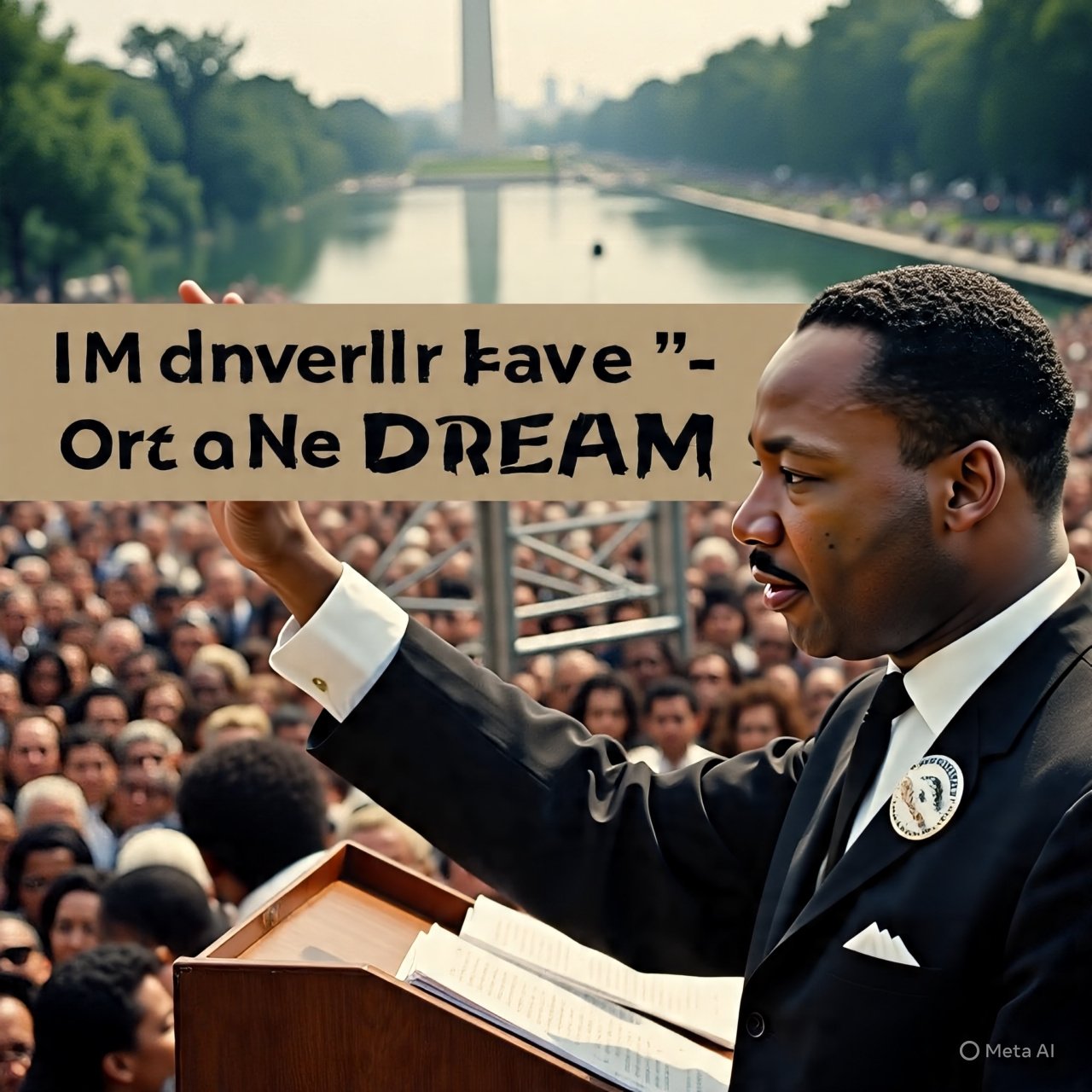
The “I Have a Dream” speech delivered by Dr. Martin Luther King Jr. on August 28, 1963, remains one of the most iconic moments in American history. Spoken during the March on Washington for Jobs and Freedom, the speech not only galvanized the civil rights movement but also inspired generations worldwide to strive for equality and justice. This article explores the historical context, key messages, and enduring impact of this powerful address.
Historical Context of the Speech
In the early 1960s, the United States was grappling with deep racial segregation and systemic discrimination against African Americans. Despite legal progress, many African Americans faced economic hardships, unequal access to education, and widespread social injustice.
The March on Washington for Jobs and Freedom was organized to draw attention to these inequalities. More than 250,000 people gathered at the Lincoln Memorial in Washington, D.C., demanding civil rights reforms. Dr. King’s speech was the highlight of the event, delivering a message of hope, unity, and determination.
Structure and Delivery of the Speech
The brilliance of the “I Have a Dream” speech lies not only in its content but also in Dr. King’s delivery. He combined eloquent rhetoric, biblical references, and emotional resonance to captivate his audience.
Key Elements of the Speech:
- Repetition: The phrase “I have a dream” creates rhythm and emphasizes Dr. King’s vision.
- Imagery: Vivid descriptions such as “sons of former slaves and the sons of former slave owners” evoke powerful emotions.
- Allusions: References to the Constitution, the Declaration of Independence, and biblical texts connect the civil rights struggle to universal ideals.
- Emotional Appeals: Dr. King used pathos to inspire hope and unity, encouraging collective action against injustice.
Dr. King’s ability to combine logic, morality, and passion ensured the speech resonated with a wide audience, making it unforgettable.
The Key Messages of the Speech
The “I Have a Dream” speech carries several timeless messages that remain relevant today.
1. Equality and Justice
At its core, the speech calls for racial equality and social justice. Dr. King emphasized that African Americans should enjoy the same rights and freedoms as all other citizens, including access to education, voting rights, and fair treatment under the law.
2. Hope and Vision
Dr. King’s speech is not just a critique of injustice; it is also a visionary statement of hope. By painting a picture of a future free from discrimination, he inspired people to believe in the possibility of change.
3. Nonviolent Resistance
Dr. King advocated for peaceful protest and civil disobedience. He stressed that justice must be pursued without hatred or violence, demonstrating moral leadership that encouraged constructive activism.
4. Unity and Brotherhood
Another central theme is the importance of unity across racial and social divides. Dr. King envisioned a society where people are judged by their character rather than the color of their skin, promoting harmony and understanding.
Why the Speech Was Revolutionary
The “I Have a Dream” speech was revolutionary for several reasons:
- Public Momentum: It energized the civil rights movement and brought global attention to racial inequality in the United States.
- Emotional Impact: The speech appealed to both hearts and minds, making people empathize with the struggles of African Americans.
- Political Influence: It influenced lawmakers and played a role in the eventual passing of the Civil Rights Act of 1964 and the Voting Rights Act of 1965.
- Enduring Legacy: Even decades later, the speech continues to inspire movements for justice, equality, and human rights worldwide.
Famous Lines from the Speech
Several lines from the speech have become iconic and are quoted frequently:
- “I have a dream that one day every valley shall be exalted, every hill and mountain shall be made low…”
- “I have a dream that my four little children will one day live in a nation where they will not be judged by the color of their skin but by the content of their character.”
- “Let freedom ring from every village and every hamlet, from every state and every city…”
These passages reflect the optimism, courage, and moral clarity that made Dr. King’s message timeless.
Impact on the Civil Rights Movement
The speech significantly boosted the momentum of the civil rights movement. Following the March on Washington:
- Civil rights leaders gained broader support across racial and political lines.
- Public awareness of racial injustices increased dramatically, creating pressure for legislative change.
- The speech motivated activism nationwide, inspiring local movements, protests, and community initiatives aimed at ending discrimination.
By articulating a collective dream, Dr. King provided a moral compass for activists and ordinary citizens alike.
Lessons We Can Learn Today
Even today, the “I Have a Dream” speech teaches important lessons about leadership, justice, and civic responsibility.
- Speak with Purpose: Powerful communication can influence public opinion and create meaningful change.
- Act with Integrity: Nonviolent principles and ethical action strengthen the credibility of any movement.
- Envision a Better Future: Maintaining hope and working toward positive change motivates collective progress.
- Promote Equality: Fighting against discrimination and advocating for fairness are ongoing responsibilities.
The speech reminds us that meaningful social change requires persistence, courage, and vision.
How Schools and Communities Honor the Speech
The “I Have a Dream” speech is frequently taught in schools and celebrated during Martin Luther King Jr. Day. Communities organize events, discussions, and volunteer programs that reflect the principles Dr. King promoted.
- Educational programs highlight civil rights history.
- Public readings of the speech inspire civic engagement.
- Community service initiatives embody Dr. King’s commitment to equality and social justice.
These practices help ensure that new generations understand and carry forward the ideals expressed in the speech.
Frequently Asked Questions (FAQs) About the “I Have a Dream” Speech
Q1: Who delivered the “I Have a Dream” speech?
A: The speech was delivered by Dr. Martin Luther King Jr., a prominent leader of the American civil rights movement.
Q2: When and where was the speech delivered?
A: Dr. King delivered the speech on August 28, 1963, at the Lincoln Memorial during the March on Washington for Jobs and Freedom.
Q3: What was the main purpose of the speech?
A: The speech aimed to highlight racial inequality, inspire nonviolent activism, and articulate a vision of equality and justice for all Americans.
Q4: Why is the speech considered important?
A: It played a pivotal role in advancing the civil rights movement, influenced legislation, and continues to inspire social justice initiatives globally.
Q5: What are some famous quotes from the speech?
A: Iconic lines include:
- “I have a dream that one day my children will not be judged by the color of their skin but by the content of their character.”
- “Let freedom ring from every village and every hamlet, from every state and every city.”
Conclusion
The “I Have a Dream” speech remains a timeless symbol of hope, courage, and social justice. Dr. Martin Luther King Jr.’s words continue to resonate because they speak to fundamental human values: equality, freedom, and dignity. By understanding the historical context, messages, and enduring impact of this speech, we are reminded that dreams of justice and equality are not just ideals but goals worth pursuing.
Even today, whether through activism, education, or community engagement, the lessons of this speech inspire individuals and societies to work toward a world free from discrimination, where everyone is judged by their character rather than their skin color.