

What Is Bimortar?
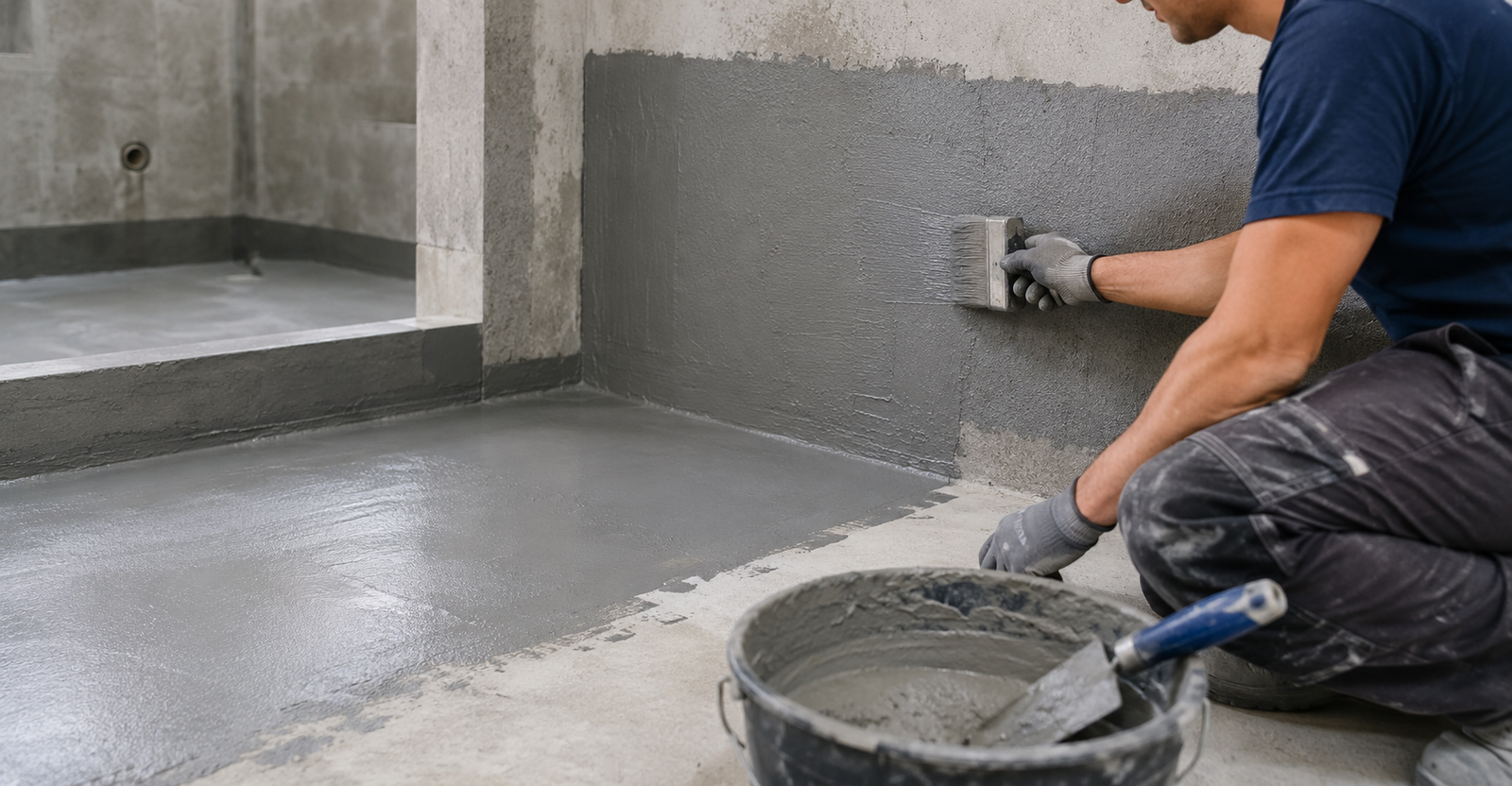
Bimortar is a specialized waterproofing mortar used to protect, seal, repair, and level concrete or masonry surfaces. In construction and renovation work, it is often used where normal plaster or cement mortar is not enough to handle moisture, dampness, or water pressure.
Unlike basic mortar, Bimortar is designed for stronger adhesion, better water resistance, and improved durability. It can be used on walls, floors, concrete structures, masonry surfaces, underground areas, and places where moisture regularly causes problems.
For homeowners, contractors, and builders, Bimortar is useful because it works as both a protective coating and a repair mortar. It can help create a more resistant surface before finishing, tiling, plastering, or applying another waterproofing system.
Why Bimortar Is Used in Waterproofing
Moisture is one of the biggest enemies of buildings. It can move through tiny pores in concrete, cracks in masonry, weak plaster, joints, and poorly sealed surfaces. Over time, this can lead to damp patches, peeling paint, mould growth, salt deposits, weakened plaster, and structural damage.
This is where Bimortar waterproofing mortar becomes useful. It is made to bond with mineral surfaces and create a protective layer that helps reduce water penetration. In many projects, it is used before final finishing because it strengthens the base surface and makes it more suitable for long-term protection.
Bimortar is commonly chosen for areas such as:
- Basements and below-ground walls
- Damp interior or exterior walls
- Concrete tanks and retaining walls
- Masonry repairs
- Skirting waterproofing
- Underground structures
- Old plaster renovation
- Concrete surface protection
- Uneven walls that need levelling before waterproofing
Its main role is simple: to make a surface stronger, smoother, and more resistant to water.
Main Uses of Bimortar
Basement Waterproofing
Basements often suffer from dampness because they are below ground level. Water from surrounding soil can push against the walls, creating what is known as hydrostatic pressure or negative water pressure. Regular plaster usually cannot handle this problem for long.
Bimortar can be used on basement walls to help seal the surface and reduce moisture movement. It is especially useful when applied to prepared concrete or masonry before any decorative finish is added.
Concrete Repair and Protection
Concrete may look solid, but it can absorb moisture through pores and small surface defects. Bimortar helps protect concrete by filling uneven areas, improving surface strength, and creating a more durable waterproof layer.
It can be used on concrete walls, foundations, retaining walls, channels, wells, and prefabricated concrete elements. When applied properly, it helps protect the surface from dampness, weathering, and gradual deterioration.
Masonry Wall Sealing
Old brick or block walls often absorb water easily, especially when the joints are weak or the wall has been exposed to moisture for years. Bimortar can be used as a masonry waterproofing mortar to improve the surface before plastering or finishing.
It is useful for mixed masonry, stonework, block walls, and brick surfaces where a stronger waterproof layer is needed.
Levelling Uneven Surfaces
Waterproofing products work better when the surface is even and stable. If the wall has gaps, rough patches, damaged plaster, or irregular masonry, Bimortar can help level the area.
This makes it easier to apply coatings, membranes, tiles, plaster, or protective finishes afterwards. A smooth and solid base also reduces weak spots where moisture may enter later.
Skirting and Wall-Floor Junctions
The area where a wall meets the floor is often vulnerable to water seepage. In bathrooms, basements, terraces, and underground spaces, this junction needs extra attention.
Bimortar can be used around skirting areas and wall-floor connections to create a stronger sealed zone. This is important because water often finds its way through corners, joints, and edges before spreading into larger areas.
Key Benefits of Bimortar
Strong Waterproofing Performance
The main benefit of Bimortar is its ability to support cementitious waterproofing. It helps form a protective barrier that reduces water penetration through concrete and masonry surfaces.
This makes it suitable for damp rooms, basements, underground walls, exterior surfaces, and structures exposed to moisture.
Good Adhesion to Mineral Surfaces
Bimortar is designed to bond well with surfaces such as concrete, cement plaster, brick, blockwork, and stone masonry. Good adhesion is important because waterproofing fails quickly if the material does not grip properly.
When the surface is cleaned and prepared correctly, Bimortar can create a strong base layer that stays firmly attached.
Helps With Negative Water Pressure
One reason Bimortar is popular in waterproofing work is its ability to support areas affected by negative water pressure. This happens when water pushes from behind the wall rather than from the exposed side.
This is common in basements, underground walls, retaining walls, and old structures. A suitable waterproofing mortar can help manage this type of moisture problem when used correctly.
Improves Surface Strength
Weak plaster, dusty concrete, or damaged masonry can make waterproofing difficult. Bimortar helps improve the surface by filling irregularities and creating a stronger layer.
This gives the next coating or finish a better surface to bond with.
Suitable for Renovation Work
Many older buildings have damp walls, cracked plaster, salt stains, and uneven masonry. Bimortar is useful in renovation because it can repair and waterproof at the same time.
Instead of only covering the problem with paint or plaster, it helps prepare the wall from the base level.
Where Bimortar Works Best
Bimortar performs best on stable mineral surfaces that have been properly cleaned and prepared. It is often used on:
- Concrete walls and floors
- Cement-based plaster
- Brickwork and blockwork
- Stone masonry
- Underground structures
- Water-exposed walls
- Damp basements
- Retaining walls
- Concrete channels and wells
- Internal and external wall surfaces
It should not be treated as a magic fix for every moisture issue. If a wall has serious structural cracks, active water leakage, movement, or drainage failure, those problems need to be addressed first.
Surface Preparation Before Applying Bimortar
The quality of the application depends heavily on surface preparation. Even the best waterproofing mortar will fail if it is applied over dust, oil, loose plaster, paint, or weak material.
Before applying Bimortar, the surface should be clean, solid, and slightly rough. Any loose plaster, damaged mortar, dirt, grease, paint, or old coating should be removed.
Cracks, holes, and deeper gaps should be repaired before the main layer is applied. If there is active water leakage, it may need a fast-setting water-stop product before using Bimortar.
A good surface should be:
- Structurally stable
- Free from dust and loose particles
- Free from paint, oil, and grease
- Slightly damp but not dripping wet
- Rough enough for proper bonding
- Repaired where deep cracks or holes exist
Proper preparation saves time and prevents peeling, weak bonding, and uneven waterproofing performance.
How to Apply Bimortar
Application can vary depending on the exact product type and project requirements, but the general process is usually straightforward.
1. Clean the Surface
Start by removing loose material, weak plaster, dirt, dust, paint, and any surface contamination. For old walls, mechanical cleaning may be needed to expose a strong base.
2. Repair Damaged Areas
Fill cracks, holes, broken joints, and deep uneven patches. Large defects should not be ignored because they can create weak points behind the waterproofing layer.
3. Dampen the Surface
Many cement-based waterproofing mortars perform better on a damp surface. The surface should be moist but not soaked. Standing water should be removed before application.
4. Mix the Mortar Properly
Bimortar should be mixed according to the product instructions. The mixture should be smooth, lump-free, and workable. Avoid adding extra water beyond the recommended amount because it can weaken the mortar.
5. Apply the First Layer
The first coat can usually be applied with a trowel, brush, or suitable plastering tool, depending on the required thickness and surface type. The layer should be pressed firmly into the surface to improve bonding.
6. Apply Additional Layers if Needed
Some waterproofing jobs require more than one coat. A second layer may be applied after the first layer has started to set, depending on the manufacturer’s guidance.
7. Allow Proper Curing
Curing is important. The mortar should be protected from fast drying, direct strong sun, heavy rain, frost, or mechanical damage during the curing period.
Rushing the curing stage can reduce strength and waterproofing performance.
Common Mistakes to Avoid
One of the biggest mistakes is applying Bimortar over paint or loose plaster. Waterproofing needs a strong base, not a weak surface that may peel away later.
Another common mistake is using too much water during mixing. A watery mixture may feel easier to spread, but it can reduce strength, adhesion, and durability.
Applying the mortar too thinly is also a problem. If the layer is not thick enough, it may not provide the required protection. On the other hand, applying it too thick in one pass can cause cracking or poor curing.
Other mistakes include:
- Ignoring active water leaks
- Not repairing cracks before application
- Skipping surface cleaning
- Applying on dry, dusty surfaces
- Not respecting drying and curing time
- Covering the surface too quickly with paint or tiles
- Using the wrong product for the moisture condition
Good waterproofing is not only about the material. It is about preparation, correct thickness, proper application, and patience.
Bimortar for Interior and Exterior Walls
Bimortar can be useful for both interior and exterior surfaces, depending on the project. For interior walls, it is often used to deal with dampness, basement moisture, wall-floor junctions, and surface repair before plastering.
For exterior walls, it may be used where masonry or concrete needs protection from rain, ground moisture, or weather exposure. However, exterior waterproofing should always consider drainage, slope, cracks, and finishing layers.
On exterior surfaces, waterproofing works best when water is directed away from the structure instead of relying only on a coating.
Bimortar vs Regular Cement Mortar
Regular cement mortar is mainly used for bonding blocks, plastering, filling, and general construction work. It does not always provide strong waterproofing protection, especially in damp or below-ground areas.
Bimortar is different because it is designed for waterproofing, sealing, surface protection, and repair. It usually offers better adhesion, improved resistance to moisture, and better performance on demanding surfaces.
In simple terms, regular mortar is for general work, while Bimortar is for surfaces that need extra protection against water and dampness.
Is Bimortar Suitable for DIY Projects?
Bimortar can be used by skilled DIY users for small repairs, damp patches, and surface preparation, but larger waterproofing jobs are better handled by professionals.
Basements, underground walls, retaining walls, and structures affected by negative water pressure need careful inspection. If the moisture source is not understood, the problem may return even after applying waterproofing mortar.
For small projects, always follow the product instructions, prepare the surface correctly, and avoid rushing the drying time.
When Bimortar May Not Be Enough
Bimortar is powerful, but it is not the only solution for every waterproofing problem. If water is entering because of poor drainage, broken pipes, foundation cracks, rising damp, or structural movement, those issues must be fixed first.
It may not be enough for:
- Active running water leaks
- Large moving cracks
- Poor external drainage
- Severe foundation movement
- Surfaces covered with paint or bitumen
- Weak plaster that is not removed
- Areas requiring flexible waterproofing membranes
In these cases, Bimortar may still be part of the system, but it should not be the only treatment.
Practical Buying and Usage Tips
Before using Bimortar, check whether the product is suitable for your exact surface and moisture condition. Waterproofing a basement wall is different from repairing a small damp patch in a bathroom.
Look at the required thickness, coverage rate, curing time, surface compatibility, and whether the product can handle positive or negative water pressure.
For best results, use Bimortar as part of a complete waterproofing approach. That may include crack repair, surface cleaning, drainage improvement, joint sealing, protective coatings, and proper finishing.
Why Bimortar Matters in Long-Term Building Protection
Waterproofing is not just about stopping visible damp patches. It protects the life of the structure. Moisture can slowly damage plaster, concrete, steel reinforcement, paint, flooring, and indoor air quality.
Bimortar helps by creating a stronger, more water-resistant surface before bigger damage develops. When used correctly, it can improve durability, reduce maintenance, and support a healthier indoor environment.
For basements, concrete walls, masonry repairs, damp surfaces, and underground structures, Bimortar is a practical material worth considering. The key is to use it on the right surface, prepare the area properly, and apply it with care.