

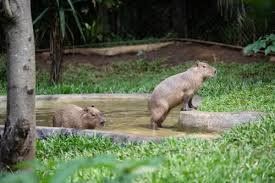
Watching animals online has become one of the easiest ways for people to enjoy wildlife without leaving home. From playful otters and giant pandas to elephants, giraffes, penguins, and big cats, zoo live streams have opened a new way for families, students, teachers, and animal lovers to connect with nature. What once required a visit to a physical zoo can now happen on a phone, tablet, or computer screen.
The appeal is simple. People want to watch real animals in real time. There is something calming and fascinating about seeing natural movement, social behavior, feeding moments, rest patterns, and playful activity. Unlike short edited clips, live zoo videos feel more authentic. They allow viewers to slow down and observe rather than just scroll past.
For many people, zoo live streams are more than entertainment. They are also educational, relaxing, and surprisingly engaging. A child can learn how penguins interact in a group. A teacher can use animal webcams in the classroom. A parent can turn screen time into something more meaningful. Even adults often find that wildlife videos offer a peaceful break from busy daily routines.
Why Zoo Live Streams Have Become So Popular
One reason zoo live streams have grown in popularity is convenience. Not everyone can visit a zoo regularly. Travel costs, weather, distance, and time can all make in-person trips difficult. Online animal videos remove those barriers. Anyone with internet access can watch animals from different parts of the world within minutes.
Another big reason is curiosity. People naturally enjoy watching animals because animals are unpredictable. You never know what might happen next. A sleeping lion may suddenly stand up and move across the enclosure. A family of gorillas may begin interacting in a way that reveals their social bond. A sea otter may start floating, diving, or playing with objects. That sense of real-time discovery keeps viewers interested.
There is also a comfort factor. Many viewers use animal live streams as a way to relax. Gentle background sounds, steady camera views, and slow animal movement can create a peaceful experience. In a world full of noise and constant updates, watching nature unfold at its own pace can feel refreshing.
A New Way to Learn About Animals
Zoo live streams have become especially useful for learning. They help viewers understand animal behavior in a more natural and memorable way than a simple written description. Reading about how flamingos stand, feed, or move as a group is one thing. Watching it happen in real time creates a stronger impression.
This is why animal webcams can be valuable for both children and adults. They encourage observation. Viewers start noticing patterns. They see how certain animals spend long periods resting, how some are more active during specific hours, and how group dynamics work in species that live socially.
For classrooms, this can be especially helpful. Teachers can use live animal footage to support lessons about habitats, diet, adaptation, ecosystems, and conservation. Students often respond more strongly to a visual experience than a textbook paragraph alone. When they can watch a polar bear move through its space or see a red panda climbing, learning becomes more engaging.
Parents also benefit from this kind of content. Instead of relying only on cartoons or fast-paced entertainment, they can introduce children to something that is both enjoyable and educational. That balance is hard to find, which is why zoo video content continues to hold attention.
The Best Part Is the Real-Time Experience
Recorded wildlife videos are popular, but live streams offer something different. The biggest difference is authenticity. A live camera does not promise action every second. Sometimes animals are active, and sometimes they are not. That actually makes the experience feel more real.
Viewers begin to appreciate simple moments. An elephant slowly walking across an enclosure can be just as interesting as a more dramatic feeding session. A koala resting in a tree may seem uneventful at first, but over time people become more aware of how animals truly live. That kind of patient watching encourages a more respectful way of engaging with wildlife.
The real-time aspect also creates anticipation. Families may check in during different hours to see whether animals are awake, eating, or playing. This repeated viewing builds familiarity. People begin to recognize certain animals and follow their routines, which makes the experience feel more personal.
Great for Families and Children
Zoo live streams work especially well for family viewing. They are usually easy to access, simple to understand, and suitable for a wide age range. A toddler may enjoy the movement and sounds, while an older child may ask questions about what the animal is doing. That creates a natural opportunity for conversation and learning.
Parents often look for content that feels safe, calm, and worthwhile. Animal live videos can meet all three needs. They are visually interesting without being overwhelming, and they often inspire curiosity rather than passive viewing. Children may ask where the animal lives, what it eats, how it sleeps, or why it behaves a certain way. Those small questions can lead to bigger learning moments.
Families can also use zoo streams as part of a daily routine. Some people watch in the evening to unwind. Others check in during breakfast or after school. Because the content changes naturally, it rarely feels repetitive in the same way many children’s videos do.
How Zoo Videos Support Conservation Awareness
One of the strongest benefits of online zoo content is that it can increase awareness about wildlife and conservation. Many people care more about animals when they feel connected to them. Watching a tiger, panda, or penguin over time creates interest, and interest often leads to concern for animal welfare and habitat protection.
This matters because conservation can sometimes feel abstract. A person may hear that certain species are under threat, but the message becomes stronger when they have spent time watching those animals. The connection becomes emotional as well as informational.
Zoo live streams can also introduce viewers to species they might not otherwise think about. Instead of focusing only on the most famous animals, some platforms highlight lesser-known species that are equally interesting. That broader exposure can help people appreciate biodiversity and understand that conservation is not only about a few iconic animals.
A Useful Option for People Who Cannot Visit Zoos
Not everyone is able to travel easily. Some families live far from major zoos. Some older adults may prefer staying home. Some people simply do not have the time or budget for regular visits. Virtual animal viewing helps make wildlife access more inclusive.
This does not completely replace the in-person experience, but it does make animal education more available. A child in one country can watch animals from another. A classroom can explore species they would never see locally. A person with limited mobility can still enjoy the wonder of watching wildlife.
That accessibility is one of the biggest strengths of online zoo experiences. It brings nature closer to people who might otherwise feel disconnected from it.
What Makes a Good Zoo Live Stream
Not every animal video experience feels equally engaging. The best zoo live streams usually have a few things in common. The video quality is clear enough to follow what is happening. The camera angle gives viewers a useful view of the habitat. The stream is stable and easy to watch for longer periods.
Beyond technical quality, the best streams also feature animals in spaces that encourage natural-looking movement and behavior. Viewers want to feel like they are observing something meaningful, not just staring at an empty frame all day. Good timing also matters. Some animals are more active during specific hours, so regular viewers often learn when to tune in.
Another helpful factor is context. Even simple descriptions about the species, diet, habitat, or behavior can improve the experience. That extra information helps viewers understand what they are seeing and makes the stream more educational.
Why People Keep Coming Back
The lasting appeal of zoo live streams comes down to one thing: they feel genuine. In a digital world filled with heavily edited content, wildlife cameras offer something slower and more natural. They remind people that not every meaningful experience has to be loud, dramatic, or short.
Viewers keep coming back because animals are endlessly interesting. Their routines are simple, but never completely predictable. One day may be quiet, and the next may bring playful interaction, feeding behavior, or a moment that feels surprisingly emotional.
There is also a sense of connection that develops over time. Regular viewers often become attached to certain animals or exhibits. That repeated viewing creates familiarity, and familiarity makes the experience richer.
The Future of Online Animal Viewing
As more people look for educational and calming digital content, zoo live streams are likely to remain popular. They fit well into family routines, classroom settings, and personal downtime. They are easy to access, visually engaging, and useful for all ages.
In the future, online zoo content may become even more interactive. Better cameras, more viewing angles, and stronger educational support could make virtual wildlife watching even more immersive. But even in its simplest form, the appeal is already clear. People enjoy watching animals because it brings them closer to the natural world in a way that feels direct and real.
That is why zoo live streams continue to grow in interest. They combine curiosity, learning, and relaxation in one experience. For anyone who enjoys animals, they offer a simple but meaningful way to spend time online.
FAQs
What are zoo live streams?
Zoo live streams are real-time online video feeds that allow people to watch animals from zoos, wildlife centers, or conservation spaces through the internet.
Are zoo live streams good for kids?
Yes, zoo live streams can be a great option for kids because they are educational, calming, and often spark curiosity about animals, habitats, and nature.
Can zoo videos help with learning?
Yes, zoo videos can support learning by helping viewers observe animal behavior, understand species differences, and explore topics like habitats, diet, and conservation.
Why do people enjoy watching animal live streams?
People enjoy them because they are relaxing, authentic, and unpredictable. Watching animals in real time feels more natural than watching edited clips.
Do zoo live streams replace visiting a zoo?
Not fully, but they offer a useful alternative for people who cannot travel, want to learn from home, or simply enjoy watching animals more often.
Are zoo live streams only for children?
No, they appeal to all age groups. Children enjoy the visual excitement, while adults often appreciate the calm, educational, and soothing nature of the content.