

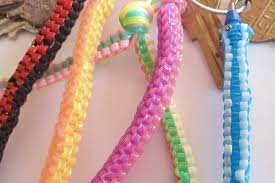
There’s something instantly familiar about scoubidous. The bright colors. The soft plastic strings. The quiet concentration as your fingers loop, pull, and tighten. For many people, scoubidous are tied to childhood memories, school desks, summer camps, rainy afternoons spent making keychains instead of staring at a screen.
What’s surprising isn’t that people remember scoubidous. It’s that they’re finding them all over again.
Searches for scoubidous, scoobies, and scooby strings have quietly climbed as more people look for hands-on, screen-free hobbies. Parents want simple crafts for kids. Adults want nostalgic, low-pressure creativity. And scoubidous fit perfectly in that space, easy to start, satisfying to master, and endlessly customizable.
What is scoubidous?
At its core, scoubidous are colorful plastic laces woven into patterns to create small objects like keychains, bracelets, lanyards, and figures. The craft goes by several names depending on where you’re from. Some people call them scoubidou, others say scoobies or scooby strings. You’ll also see terms like scoubidou strings, scoubidous craft, or plastic scoubidou strings in online searches.
Despite the different names, the idea is the same: flexible plastic cords are interlaced using simple knots and repeating patterns. With just a few strings, you can create something tactile, durable, and surprisingly neat-looking.
Scoubidous don’t require glue, sewing, or special tools. That simplicity is a big reason they’ve stuck around for decades.
What are scoubidous made of?
Most scoubidous are made from plastic scoubidou strings, soft, hollow laces that bend easily without snapping. They’re designed to be:
- Flexible enough for small hands
- Durable enough to hold their shape
- Brightly colored for visual appeal
You’ll often find colorful scoubidous in mixed packs, making it easy to experiment with patterns and color combinations. The texture is smooth but slightly grippy, which helps keep knots tight once they’re pulled into place.
Why scoubidous became so popular
Scoubidous hit a sweet spot that few crafts manage to reach. They’re cheap, portable, and quick to learn. You can start with a basic square stitch in minutes, yet still challenge yourself with advanced scoubidou designs later on.
They also offer instant progress. After just a few minutes of weaving, you can already see a shape forming. That sense of momentum is addictive, especially for beginners.
The story behind scoubidous
Scoubidous didn’t appear out of nowhere. They grew out of traditional lanyard and boondoggle crafts that were popular in scouting groups and summer camps long before they reached classrooms and toy shops.
The name “scoubidou” is often linked to European pop culture and French slang, which helped the craft spread beyond its original circles. As it moved from country to country, the terminology changed, but the technique stayed mostly the same.
Scoubidous and childhood nostalgia
For many adults, scoubidous are wrapped up in memories of simpler routines. Making a scoubidou keychain after finishing schoolwork. Trading bracelets with friends. Sitting on the floor with a pile of plastic laces and no real plan except to keep weaving.
That nostalgia plays a huge role in the current scoubidous revival. When people search for vintage scoubidous or childhood scoubidou crafts, they’re often chasing a feeling as much as a hobby.
Scoubidous vs similar crafts
Scoubidous are frequently confused with other string-based crafts. You’ll often see comparisons like scoubidou vs boondoggle or scoubidous vs lanyard crafts.
While they’re closely related, scoubidous usually refer to the brightly colored plastic strings and the specific weaving patterns associated with them. Boondoggle and lanyard crafts may use similar techniques but often involve flatter materials or different finishes.
Scoubidous as a craft for all ages
One of the biggest reasons scoubidous have never truly disappeared is that they work for almost everyone.
Scoubidous for kids
Scoubidous for kids remain incredibly popular because they’re easy to supervise and hard to mess up. Even simple mistakes usually turn into new patterns rather than failures.
Benefits for children include:
- Improved fine motor skills
- Better hand–eye coordination
- Learning basic pattern recognition
- Practicing patience and focus
That’s why scoubidou crafts for school and summer camp scoubidou ideas still show up in classrooms and activity programs.
Scoubidous for teens and adults
Adults are rediscovering scoubidous for different reasons. For some, it’s pure nostalgia. For others, it’s a way to relax without committing to a complex craft.
There’s something calming about repetitive motion. Weaving scoubidous can feel almost meditative, especially when working through spiral scoubidou or cobra stitch scoubidou patterns.
How to make scoubidous
If you’ve never tried them before, scoubidous are one of the easiest crafts to start.
Getting started with scoubidous
Basic materials include:
- Scoubidou strings pack (usually 4–8 strings to start)
- A clip, keyring, or tape to hold the strings in place
- Scissors (optional, for trimming ends)
That’s it. No special tools, no setup time.
Choosing contrasting colors helps beginners see the pattern more clearly, especially when following a scoubidou tutorial step by step.
Easy scoubidous for beginners
Most people begin with the square stitch scoubidou. It forms the foundation for many other designs and teaches you how tension works.
Beginner-friendly approaches include:
- Square stitch
- Simple spiral scoubidou
- Basic two-string twists
Once the rhythm clicks, your hands tend to remember the motion even when your mind wanders.
Building confidence step by step
As you practice, you’ll naturally move from easy scoubidous for beginners to more detailed scoubidous weaving patterns. Mistakes become less frequent, and your finished pieces start to look cleaner and more even.
Popular scoubidou patterns, knots, and techniques
Patterns are where scoubidous really shine. Each design uses the same basic principle—over, under, tighten—but the results can look completely different.
Classic scoubidou patterns
Some of the most searched scoubidou patterns include:
- Square stitch scoubidou
- Cobra stitch scoubidou
- Spiral scoubidou
- Double spiral scoubidou
These patterns are popular because they’re sturdy and visually balanced, making them ideal for scoubidou keychains and bracelets.
Decorative and advanced designs
Once you’re comfortable, more decorative options open up:
- Butterfly stitch scoubidou
- Chinese staircase scoubidou
- Layered or hollow designs
- Advanced scoubidou designs using more strings
These techniques take longer but allow for scoubidou figures, animals, and more detailed accessories.
Creative scoubidou project ideas
Scoubidous aren’t limited to practice pieces. Many people use them to create functional or decorative items.
Everyday items you can make
Popular projects include:
- Scoubidou keychains
- Scoubidou bracelets
- Scoubidou lanyards
- Scoubidou accessories for bags or zippers
These are small, durable, and easy to gift.
Fun and decorative creations
With a bit more patience, scoubidous can become:
- Scoubidou animals
- Scoubidou figures
- Color-themed collections
- Personalized gifts
That versatility is why scoubidous for gifts remain a common search.
Scoubidous in schools, camps, and learning spaces
Scoubidous classroom activity ideas remain popular because they scale well. One adult can supervise many kids, and everyone works at their own pace.
Teachers and activity leaders often use scoubidous to encourage:
- Independent problem-solving
- Quiet focus during group time
- Creativity without pressure
Because the materials are inexpensive, scoubidous crafts for school fit easily into tight budgets.
The scoubidous comeback
So why are scoubidous trending again?
Part of it is nostalgia. Part of it is fatigue with digital everything. People want crafts that don’t require tutorials longer than the project itself.
Searches related to scoubidous comeback, scoubidous revival, and old school crafts scoubidous reflect a broader shift toward simple, tactile hobbies.
Short videos showing scoubidou patterns tutorial clips have also helped reintroduce the craft to a new generation.
Buying scoubidous: what to look for
Not all scoubidou supplies are the same.
Scoubidou kits vs loose strings
A scoubidous kit or scoubidou starter kit usually includes:
- Pre-cut strings
- Clips or rings
- Pattern guides
These are ideal for beginners. More experienced crafters often prefer buying scoubidou strings pack options so they can choose colors and lengths freely.
Choosing quality scoubidou materials
Good scoubidou plastic strings should feel flexible without being flimsy. Cheap scoubidous can crack or flatten too easily, making patterns harder to maintain.
Color variety also matters. High-contrast packs make learning easier and finished projects more visually striking.
Scoubidous compared to similar crafts
People often search scooby strings vs scoubidou or scoubidous vs lanyard because the terms overlap.
In practice, they’re usually referring to the same craft with slight material or naming differences. What matters more than the label is the technique and enjoyment you get from making them.
What is scoubidous?
Scoubidous are woven crafts made from colorful plastic strings, used to create keychains, bracelets, lanyards, and decorative figures through repeating knot patterns.
What does scoubidou mean in French?
The term “scoubidou” is believed to come from French pop culture slang and music, later adopted as the name for the craft as it spread across Europe.
Is scoubidou related to Scooby-Doo?
Despite the similar sound, scoubidou is not directly related to Scooby-Doo. The resemblance in names likely helped the craft become more memorable, especially for kids.
Why is it called scoubidou?
The name stuck because it was playful, easy to say, and already familiar through music and slang, making it a natural fit for a fun, colorful craft.
Small details that make scoubidous easier to master
Once you move past the very first attempts, a few practical details start to matter more. These are the kinds of things people often search for after trying scoubidous once and wanting better results.
String length and tension
One of the most common beginner frustrations is running out of string too early. For most scoubidou patterns, longer strings are better than shorter ones. Extra length gives you room to tighten knots evenly and keeps the final shape consistent.
Tension matters just as much. Pulling too tightly can flatten the plastic laces, while pulling too loosely can leave gaps. With practice, your hands naturally find the right balance, especially when working on square stitch scoubidou or cobra stitch scoubidou designs.
Color choice and visibility
High-contrast colors aren’t just more eye-catching; they make learning easier. When beginners use two or four clearly different colors, it’s easier to track which string goes where. That’s why colorful scoubidous remain so popular in starter packs and classroom sets.
As confidence grows, many people switch to more subtle color combinations or even single-color designs for a cleaner, more uniform look.
Why scoubidous work so well as group activities
Scoubidous have a rare ability to bring people together without competition. In group settings, everyone works on their own piece, yet the shared activity creates a calm, focused atmosphere.
This is one reason scoubidous classroom activity sessions are still widely used. Kids can talk quietly, ask for help, or compare patterns without disrupting the group. The same dynamic works in summer camps, after-school programs, and even informal family gatherings.
Because scoubidous crafts for school don’t rely on age-specific skills, mixed-age groups can work side by side. Younger children might focus on simple spirals, while older kids try advanced scoubidou designs using more strings.
Scoubidous as a creative habit, not just a one-time craft
For many people, scoubidous start as a quick project and turn into a small creative routine. Keeping a bundle of scoubidou plastic strings nearby makes it easy to fill idle moments with something productive.
This is especially appealing to adults who want a creative outlet without committing to a full-scale hobby. Scoubidous don’t require a workspace, expensive tools, or ongoing instruction. They simply grow as your interest grows.
Over time, people often develop preferences, certain knots they enjoy, specific color palettes, or favorite projects like scoubidou keychains or bracelets. That personal style keeps the craft feeling fresh, even after dozens of pieces.
The role of scoubidous in screen-free creativity
As interest in screen-free activities continues to rise, scoubidous naturally fit into the conversation. They provide tactile feedback that digital hobbies can’t replicate. The physical act of weaving, tightening, and shaping engages the hands and mind in a way that feels grounding.
Parents often search for scoubidous for kids as an alternative to tablets and phones, while adults turn to them as a way to unwind after long hours online. In both cases, the appeal is the same: simple actions, visible progress, and a finished object you can hold.
More buying tips for scoubidou supplies
Once someone decides to stick with the craft, buying habits usually shift. Beginners often start with a scoubidous kit, but experienced crafters look for flexibility.
Loose scoubidou strings packs allow for:
- Custom color combinations
- Longer projects without interruptions
- Experimentation with thickness and texture
Some people prefer softer plastic laces for smoother patterns, while others like slightly firmer strings for sharper edges. Neither is better, it’s purely personal preference.
When searching for cheap scoubidous, it’s worth checking the quality. Very low-quality strings may crack, fade, or lose shape quickly, especially in larger scoubidou figures or lanyards.
How scoubidous connect to other string crafts
Scoubidous often act as a gateway to other DIY string crafts. People who enjoy them may later explore friendship bracelet crafts, gimp string crafts, or more complex lanyard keychain craft techniques.
At the same time, many crafters return to scoubidous precisely because they stay simple. There’s no pressure to scale up or monetize the skill. Making scoubidous can remain purely recreational, which is increasingly rare in modern hobby culture.
Why scoubidous keep resurfacing
Every few years, scoubidous seem to reappear in public awareness. Sometimes it’s driven by school programs, sometimes by nostalgia, and sometimes by social media clips showing satisfying pattern loops.
The fact that people keep asking where did scoubidous come from or why are scoubidous popular shows that the craft still sparks curiosity. It doesn’t rely on trends to survive; it simply waits to be rediscovered.
That quiet persistence may be scoubidous’ greatest strength. They don’t demand attention, yet they reward it generously, string by string, knot by knot.