

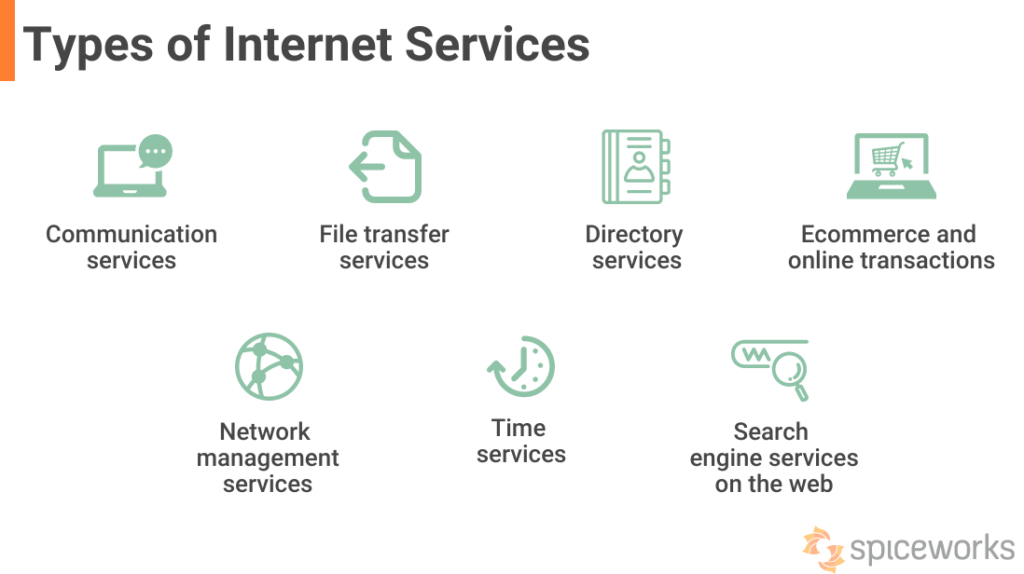
When most people hear the word “net”, a few images may spring to mind—a fishing net gliding through water, a soccer goal net catching a ball, or even the internet. But the term net has a variety of meanings, applications, and nuances that go far beyond everyday conversation. In this post, we’ll explore the different types of nets, how they are used, and why they are significant in various industries and daily life.
What Is a Net?
At its most basic, a net is a structure made from interconnected threads, fibers, or wires, forming a mesh. Nets are designed to catch, hold, or filter objects depending on their purpose. The spaces within the mesh, called mesh openings, determine what can pass through and what is captured.
The concept of a net is both ancient and versatile. From simple hand-woven fishing nets to modern industrial filtration systems, the basic principle remains the same: a network of threads working together to perform a task efficiently.
Different Types of Nets and Their Uses
1. Fishing Nets
Fishing nets are one of the oldest and most well-known types of nets. They are used by fishermen around the world to catch fish and other aquatic animals.
- Gill Nets: Trap fish by their gills when they try to swim through.
- Cast Nets: Thrown by hand over the water and pulled in to catch fish.
- Trawl Nets: Large nets dragged behind boats to collect fish in bulk.
Fishing nets have evolved with technology, and modern versions may use synthetic fibers for durability and efficiency.
2. Sports Nets
Sports nets are crucial in games where a ball, puck, or other object needs to be caught or stopped.
- Soccer Goal Nets: Catch the ball when a goal is scored.
- Tennis Nets: Divide the court and serve as a barrier for gameplay.
- Volleyball Nets: Separate teams and maintain the rules of play.
- Cricket Nets: Used for practice to catch balls safely and prevent damage.
Sports nets are often made from durable materials like nylon or polyester to withstand repeated use.
3. Safety Nets
Safety nets protect people and objects from falling or accidents. They are commonly used in:
- Construction Sites: Catch workers or debris in case of falls.
- Circus and Acrobatics: Ensure performers don’t get injured while performing aerial stunts.
- Industrial Applications: Prevent accidents around machinery or hazardous areas.
These nets are generally made of high-strength fibers and are rigorously tested for safety compliance.
4. Decorative and Household Nets
Nets are not only functional—they can also be decorative or utilitarian in homes.
- Mosquito Nets: Protect against insect bites while sleeping.
- Hammocks and Hanging Chairs: Provide comfort using netted structures.
- Garden Nets: Protect plants and crops from birds and pests.
These nets combine aesthetics and practicality, often made from lightweight materials that are easy to install and maintain.
5. Industrial and Environmental Nets
Industrial applications of nets are vast, including filtration, waste management, and environmental protection.
- Filtration Nets: Used in chemical plants, water treatment, and food processing.
- Safety and Containment Nets: Prevent debris from spreading in construction or industrial zones.
- Environmental Nets: Capture debris from rivers or oceans, helping to clean water bodies and protect ecosystems.
Industrial nets are often made from metal, high-strength polymers, or synthetic fibers depending on the requirements.
The Materials Used to Make Nets
Nets can be made from various materials depending on durability, strength, flexibility, and environment. Common materials include:
- Natural Fibers: Cotton, jute, or hemp, traditionally used for fishing or household nets.
- Synthetic Fibers: Nylon, polyester, or polyethylene, which are resistant to water, chemicals, and UV rays.
- Metal Wires: Stainless steel or galvanized iron used for industrial or heavy-duty applications.
Choosing the right material ensures longevity and efficiency for the intended purpose.
Why Nets Are Important
Nets play a critical role in everyday life, business, and safety. Here’s why they matter:
- Safety: Protects people in construction, circus performances, and industrial settings.
- Food Supply: Fishing nets help feed millions of people worldwide.
- Sports and Recreation: Nets are integral to games and practice sessions.
- Environmental Protection: Nets help in controlling debris and cleaning up rivers and oceans.
- Practical Utility: Household nets provide comfort, protection, and efficiency.
Without nets, many daily activities, professional practices, and safety measures would be far less effective or even impossible.
How Nets Have Evolved Over Time
The concept of nets dates back thousands of years. Early humans created nets from vines, plant fibers, or animal sinews to catch food. Over time, technological advancements brought in stronger and more durable synthetic materials.
- Ancient Nets: Handwoven from natural fibers, simple in design but effective for survival.
- Industrial Nets: Designed for filtration, heavy-duty containment, and safety applications.
- Modern Nets: Include advanced polymers, UV-resistant coatings, and multifunctional designs for both utility and aesthetics.
The evolution of nets reflects human ingenuity in creating tools that are both practical and adaptable.
Common Questions About Nets
What is the difference between a net and a mesh?
While the terms are often used interchangeably, a mesh usually refers to the material itself, while a net refers to the overall structure designed for catching, holding, or separating objects.
Are all nets waterproof?
Not all nets are waterproof. Nets made from synthetic fibers like nylon or polyester are resistant to water, whereas natural fibers like cotton or jute can absorb moisture and degrade over time.
Can nets be recycled?
Yes, many synthetic nets can be recycled, although it requires proper processing. For example, fishing nets made from nylon can be repurposed into carpet fibers or other products.
How do I choose the right net for my needs?
Consider the purpose (safety, sports, fishing, household), the environment (indoor, outdoor, underwater), and the material (synthetic, natural, metal). Proper sizing and mesh thickness are also essential to ensure effectiveness.
Conclusion
From ancient fishing practices to modern safety applications, the net is one of humanity’s most versatile inventions. Its simplicity belies its importance in sports, household use, industrial operations, and environmental protection. Understanding the different types, materials, and purposes of nets can help you choose the right one for your needs, whether you’re catching fish, playing sports, or ensuring safety at work.
By recognizing the significance of nets in everyday life, we can appreciate how something so simple—a series of interconnected threads—can have a massive impact across industries, recreation, and safety worldwide.