

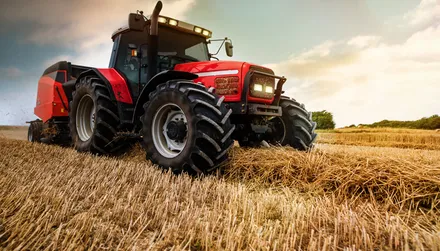
If there’s one machine that defines the heart of farming, it’s the tractor. Whether it’s ploughing a muddy field, hauling heavy loads, or powering attachments for everything from mowing to harvesting, tractors have been transforming how we work the land for more than a century.
But not all tractors are the same, and choosing the right one can make or break your productivity. In this in-depth guide, we’ll explore everything you need to know about tractors: how they work, their types, top brands, how to buy new or used tractors for sale, and what innovations like electric models mean for the future of agriculture.
Tractors Explained: Everything You Need to Know About These Farming Powerhouses
What is a Tractor?
A tractor is a powerful vehicle designed to deliver high torque at low speeds, making it perfect for pulling, towing, or powering heavy agricultural equipment. Farmers use tractors for ploughing, planting, harvesting, and hauling, while construction and landscaping industries also rely on them for moving materials and heavy loads.
Modern tractors can be fitted with a wide range of tractor implements (or attachments), such as ploughs, loaders, backhoes, mowers, or tillers. The versatility of these machines makes them one of the most essential tools in agriculture today.
A Quick Tour of Tractor Types
Over the years, tractors have evolved into specialized categories to suit different kinds of work and farms. Understanding tractor types helps you choose one that truly matches your land and workload.
1. Compact Tractors
Compact tractors are the go-to choice for small farms, gardens, or estates. They’re lightweight, easy to maneuver, and can handle mowing, landscaping, or light ploughing jobs. For anyone searching small farm tractors for sale, compact tractors offer excellent value — especially for property owners and part-time farmers.
2. Utility Tractors
Utility tractors are the versatile all-rounders of the farming world. They’re powerful enough for mid-size farms and can perform a wide range of tasks using different tractor implements. Their balance of horsepower and efficiency makes them a popular pick for mixed-use farms.
3. Row-Crop Tractors
These are the workhorses of large farms. Row-crop tractors are designed to work between crop rows without damaging plants, offering high clearance, adjustable wheels, and precision handling.
4. Two-Wheel Tractors
Also known as walking tractors, these are compact, hand-guided machines ideal for small-scale farming or vegetable plots. A two-wheel tractor can power tillers, ploughs, or seeders and is often used in regions where smaller plots make four-wheel tractors unnecessary.
5. Specialized Tractors
Beyond the general-purpose models, you’ll find orchard tractors, vineyard tractors, and even high-clearance sprayer tractors. Each type is tailored to a specific environment or task, offering design tweaks that make the job easier.
6. Electric Tractors (Emerging Trend)
The newest addition to the lineup is the electric tractor. These machines are powered by batteries instead of diesel, offering quieter operation, zero emissions, and reduced maintenance. While still emerging, electric tractors represent the future of sustainable farming, especially as technology continues to improve power output and battery life.
Tractors vs. Farm Machinery: Understanding the Difference
Tractors are often grouped with farm machinery, but they’re not the same. Farm machinery includes a wide range of tools, ploughs, seed drills, harvesters, and spreaders, that perform specific tasks. The tractor, on the other hand, is the powerhouse that drives or tows these machines using its Power Take-Off (PTO) system and hydraulic connections.
In essence, tractors are the central hub of modern agricultural equipment, making them indispensable for farmers who want to work faster, smarter, and more efficiently.
How to Choose the Right Tractor
Choosing the right tractor can feel overwhelming, there are countless models, price points, and specifications to compare. Here’s how to narrow it down.
1. Identify Your Needs
Start by asking: what will your tractor do most of the time? Mowing? Tilling? Hauling? Different jobs require different power levels and attachments. A small landowner might prefer a compact tractor, while a large-scale farmer may need a 100+ HP machine with a front-end loader tractor.
2. Know Your Horsepower
Horsepower is key. For light work like mowing, 20–40 HP might be enough. But for heavy ploughing or large implements, you’ll need 80–150 HP or more. Learning tractor horsepower explained helps you avoid over- or under-buying. Remember, higher horsepower means more capacity, but also higher fuel costs.
3. Attachments and Hitch Compatibility
A tractor’s true versatility comes from its attachments. Check if it supports standard tractor implements (attachments) and features like a tractor hitch or three-point linkage. Whether you plan to use a tiller, mower, or front-end loader, make sure your tractor has the right PTO power and hydraulic flow.
4. New vs. Used
If you’re budget-conscious, used tractors for sale can be a great deal. Many dealerships specialize in reconditioned models that perform almost like new. Buying a farm tractor for sale from a trusted dealer often includes a limited warranty and service plan. For buyers wanting the latest tech, new tractors come with advanced features like GPS guidance and precision farming tools.
5. Price and Financing
Tractors can range from under £10,000 for small used models to over £200,000 for advanced machines. When comparing the farm tractor price, think long-term: factor in maintenance, fuel, and attachments. Many buyers look for tractor deals 2026 or flexible payment plans to stretch their investment further.
6. Dealer and Brand Support
Don’t underestimate after-sales support. The tractor dealer you buy from can impact your ownership experience. Reliable brands like John Deere, Kubota, Massey Ferguson, and Mahindra are known for strong dealer networks, available parts, and consistent performance.
Where to Find Tractors for Sale
Once you’ve decided what you need, it’s time to find the right place to buy. Searching online for tractors for sale near me brings up a wide range of local and national options, but it helps to know where to look.
1. Authorized Dealers
Official dealerships are the safest route for new tractors. They provide warranty coverage, expert advice, and financing options. Brands like John Deere have dedicated UK dealership networks offering compact, utility, and row-crop models.
2. Used Tractor Specialists
Sites listing used tractors for sale, like independent farm equipment dealers — are excellent for those seeking value. You’ll often find farm tractors for sale that have been fully serviced and inspected.
3. Private Sellers
If you’re looking for a bargain, check listings for used tractors for sale by owner near me. Just make sure to verify ownership, inspect the condition, and review service records before buying privately.
4. Regional and Online Marketplaces
Many local sites now feature region-specific searches, such as “farm tractors for sale in Yorkshire” or “compact tractors for sale in Lincolnshire.” Online marketplaces also feature small farm tractors for sale, often with delivery options or dealer contact details.
How to Read a Used Tractor Listing
Not all used tractor ads tell the full story. Here’s what to watch for:
- Photos: Look for clear pictures of the cab, engine, tyres, and hydraulics.
- Hours: Just like mileage in cars, engine hours reveal how much the tractor has been used.
- Condition: Watch for signs of leaks or corrosion around joints.
- Service Records: Always ask for maintenance logs, a well-documented service history means the tractor’s been looked after.
- Price Comparison: Compare listings across dealers to get a sense of fair market value. This is where understanding farm tractor price pays off.
Tractor Maintenance Tips
Even the best tractor will break down if not maintained properly. Keeping up with maintenance ensures performance, safety, and resale value.
- Check fluids regularly: Oil, coolant, and hydraulic fluid are the lifeblood of your machine.
- Inspect tyres and brakes: Uneven tyre wear or soft brakes can signal deeper issues.
- Lubricate moving parts: Follow your manufacturer’s recommendations for greasing.
- Keep it clean: Dirt buildup can damage filters and cooling systems.
- Schedule professional servicing: Trusted tractor dealers often provide full-service packages to keep your machine running smoothly.
Consistent care not only extends life but also boosts resale value when you decide to upgrade.
Popular Tractor Brands and What They’re Known For
Farmers are passionate about their brands, and for good reason. The best tractor brands have earned their reputation through reliability, innovation, and dealer support.
- John Deere: A leader in design, innovation, and technology. Known for its strong UK presence and wide product range.
- Kubota: Specializes in compact and utility tractors with a reputation for precision engineering.
- Massey Ferguson: Iconic brand popular across Europe and the UK, offering dependable machines for all farm sizes.
- Mahindra: One of the largest global manufacturers, recognized for affordable power and durability.
- New Holland, Fendt, Valtra, and Case IH: Each brand offers models tailored for specific farming needs, from heavy-duty row-crop to small-scale orchard use.
Pricing Signals: New vs. Used Tractor Value
The farm tractor price depends on size, horsepower, brand, and condition. For example:
- A used compact tractor can start around £7,000–£15,000.
- Mid-range utility tractors may cost £25,000–£60,000.
- New, high-horsepower row-crop tractors can exceed £150,000.
Buying used can save significantly, especially when dealers offer trade-in options or tractor deals 2026 that include attachments. For long-term owners, investing in a new machine may provide better ROI through warranties and lower maintenance.
Safety Basics Every Tractor Owner Should Know
Tractors are powerful, but they can be dangerous without proper care. Basic safety practices go a long way:
- Always use rollover protection (ROPS) and seatbelts.
- Never carry passengers on single-seat tractors.
- Avoid turning sharply on slopes.
- Keep PTO shafts covered and secure.
- Review tractor safety features before operating, modern models include automatic braking, stability controls, and improved visibility.
Safety isn’t just about compliance, it’s about protecting lives and livelihoods.
Understanding Tractor Horsepower and Performance
When comparing tractors for sale, horsepower is one of the first things you’ll see in every listing, and for good reason. Horsepower determines how powerful the tractor’s engine is and how efficiently it can handle demanding tasks like plowing, tilling, or hauling heavy loads. For small farm tractors or compact tractors, you’ll usually find horsepower ratings between 20–60 HP, which is plenty for mowing, light hauling, or cultivating small fields.
On the other hand, large agricultural equipment designed for professional or commercial farms can reach well above 300 HP. These are the tractors that power modern farm machinery, from massive planters to high-capacity harvesters. It’s essential to match your tractor horsepower to the size of your land and workload. Too little power can cause mechanical strain, while too much can be unnecessarily costly in both purchase price and fuel consumption.
A general rule of thumb:
- Under 30 HP: Ideal for small gardens, hobby farms, and landscaping.
- 30–75 HP: Perfect for small- to medium-sized farms.
- 75–150 HP: Best for large farms or multiple attachments.
- 150+ HP: Heavy-duty operations and large-scale agricultural production.
Tractor Implements and Attachments That Boost Productivity
A tractor is only as useful as the implements it can operate. These attachments, often referred to as tractor implements, turn a basic tractor into a versatile workhorse. Whether you’re tilling, planting, mowing, or hauling, there’s an attachment for nearly every job.
Common tractor implements include:
- Front-End Loaders: For lifting soil, gravel, and hay bales.
- Rotary Tillers: Used for preparing seedbeds and loosening soil.
- Mowers: Attachments for cutting grass or managing pastures.
- Post Hole Diggers: Perfect for fencing or construction work.
- Plows and Harrows: Essential for soil cultivation before planting.
For anyone shopping for used tractors for sale, always check the compatibility of implements, especially the hitch type and hydraulic connections. Older or imported models may use different hitch standards (like Category 0, 1, or 2), so knowing your attachment system before purchase is crucial.
Types of Tractors and Their Uses
Not all tractors are built for the same kind of work. Depending on your land type, crop, and scale of operations, certain tractor types will be more effective than others.
- Utility Tractors: The all-rounders of the farming world, designed for general-purpose fieldwork and pulling medium implements.
- Row-Crop Tractors: Built for high clearance and precise maneuvering between crop rows, often used in vegetable or grain farming.
- Compact Tractors: Small, versatile, and easy to store— perfect for small farms, estates, or landscaping.
- Two-Wheel Tractors: Common in smaller operations or tight spaces, especially useful in horticulture or greenhouses.
- Specialized Tractors: Includes vineyard tractors, orchard tractors, and even electric tractors, which are becoming popular for their low maintenance and zero emissions.
Each type of tractor is tailored for specific needs, so when you browse tractors for sale near me, think about your land’s terrain, your daily workload, and the type of attachments you plan to use.
How to Choose the Right Tractor for Your Needs
Choosing the right tractor is not just about brand loyalty, it’s about matching functionality to your needs. Here’s how to narrow it down:
- Define Your Tasks: Are you mowing, plowing, hauling, or managing livestock operations?
- Determine Land Size: A compact tractor might be perfect for a few acres, but not for 100 acres of crops.
- Evaluate Horsepower: Match HP to your work intensity, don’t overpay for unnecessary power.
- Check Compatibility: Ensure that your chosen model supports your existing or planned attachments.
- Budget Wisely: Factor in not just purchase price, but also maintenance, fuel, and insurance.
If you’re new to farming or on a budget, used tractors for sale by owner near me searches often turn up great deals. Dealers frequently refurbish older models, offering extended warranties or service packages, which can save you money in the long run.
Tractor Maintenance Tips Every Owner Should Know
Tractor maintenance doesn’t have to be complicated, but regular care goes a long way in ensuring your investment lasts decades. Here are some essential tractor maintenance tips:
- Check Oil Levels Regularly: Engine oil and hydraulic fluids are the lifeblood of your machine.
- Inspect Tires: Proper tire pressure improves traction and fuel efficiency.
- Clean Air Filters: Prevent dust and debris from reducing engine performance.
- Grease Moving Parts: Lubricate joints, axles, and hitches to prevent wear.
- Monitor Battery Health: Keep terminals clean and check charge levels, especially in colder months.
- Store Indoors: Protect your tractor from rust and weathering by keeping it under shelter.
A well-maintained tractor not only performs better but also holds its value, making resale or trade-ins easier when you’re ready to upgrade to new tractors.
Tractor Brands Farmers Trust
The global tractor market is full of brands, but only a few have earned long-standing trust among farmers. Some of the best tractor brands include:
- John Deere: Known for reliability, advanced technology, and a wide dealer network.
- Kubota: Popular for compact and small farm tractors with high efficiency and comfort.
- Mahindra: Globally recognized for durability and value-for-money performance.
- New Holland: Offers versatile tractors suitable for everything from vineyards to large-scale farming.
- Massey Ferguson: A strong name in agricultural machinery with robust build quality.
These brands dominate listings across platforms offering farm tractors for sale, from AutoTrader to local dealerships. Each has models designed for specific applications, from compact yard tractors to 400 HP giants.
The Rise of Electric and Smart Tractors
In recent years, the electric tractor has gone from concept to reality. Farmers are beginning to see the benefits of lower operating costs, reduced emissions, and minimal noise. Brands like John Deere and Monarch are already experimenting with AI-assisted, GPS-guided, and fully autonomous tractors that can operate with precision day and night.
Smart tractors are reshaping how modern farms operate, integrating sensors, automated steering, and fuel-efficient systems to maximize productivity while minimizing waste. As sustainability becomes more crucial, expect electric tractors to play an increasingly important role in the future of farming.
Tractor Safety Features You Shouldn’t Overlook
Farming equipment is powerful, and that means safety should always come first. Modern tractors now come with several tractor safety features that prevent accidents and injuries, such as:
- Roll-Over Protection Systems (ROPS): Reinforced structures that protect operators in case of a rollover.
- Seatbelts and Interlocks: To ensure safe operation while driving or using implements.
- Automatic Engine Shutdown: Stops the tractor when critical systems fail or overheating occurs.
- Lighting and Reflectors: Improve visibility for night-time or road-side operation.
- Advanced Braking Systems: Dual or split brakes that enhance control, especially on slopes.
For those buying used tractors for sale, verify that these safety features are intact and meet current standard, they’re not optional luxuries, but lifesavers in daily use.
Where to Find the Best Tractor Deals in 2026
Finding the right tractor at the right price is easier today than ever before. Online marketplaces and dealership websites now list hundreds of tractors for sale near me, complete with photos, specs, and history reports. Platforms like AutoTrader, local agri-dealer sites, and specialist sellers often feature seasonal discounts or trade-in promotions, especially during post-harvest months.
If you’re on a tighter budget, keep an eye out for tractor deals 2026, which highlight the latest financing offers and manufacturer incentives on new tractors. Many dealers also offer low-interest payment plans or extended warranties, making it easier to upgrade without breaking the bank.
For small operations, browsing listings for small farm tractors for sale can uncover reliable machines that balance cost and capability perfect for part-time farmers, landscapers, or rural homeowners who want performance without the size or price of industrial equipment.