

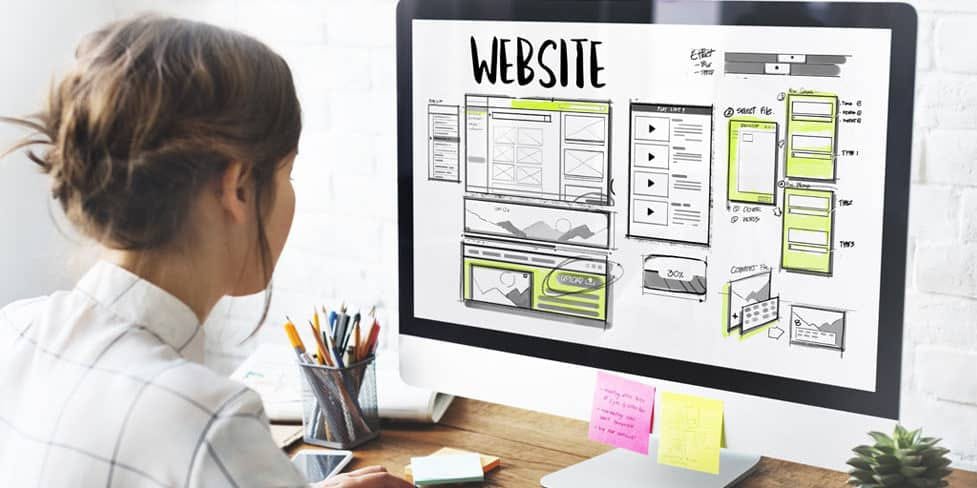
For many entrepreneurs, launching a website is one of their first priorities. Establishing an online presence for their business can help them reach potential customers more effectively. However, some founders invest time and money in hiring a designer to create an aesthetically appealing website but overlook search engine optimisation (SEO), which can help people find it.
To attract online visitors without relying heavily on advertising, business owners should consider prioritising SEO. Search engine optimisation involves structuring a website and its content in a way that search engines, like Google, can understand. If search engines can read a website, it stands a better chance of appearing in relevant search results. So, if a bridal boutique in Salford has a well-optimised website, its site might come up if someone searches “wedding dress shop Manchester”.
In this article, Rapid Formations leaders in company registration will explain why SEO should play a central role in website design from the start.
Why businesses should consider SEO before they build websites
Even when business owners are aware of SEO, some assume it will be easy to optimise their website after it launches. While SEO is a continual process and you will need to make changes later, many important SEO factors are structural decisions that happen during a website’s design and development phase. For example, the organisation of pages, site navigation, URL structure, and how content is arranged all impact SEO. These elements are often created early in the build process. If a business doesn’t consider SEO at this stage, attempting to optimise the site later can require major, costly redevelopment work.
If a business launches a site that’s beautifully designed but with poorly structured page titles and headings, it may struggle to appear in search results. Considering SEO at the design stage can avoid issues like this. It also allows a business to maintain a strong visual design while optimising it for discovery.
SEO forms part of the foundation of a successful website, so entrepreneurs need to consider it from the outset.
The risks of designing a website without SEO in mind
If founders ignore SEO during the design process, they risk building a website that nobody can find.
One of the main reasons SEO matters is visibility. If SEO is poor, search visibility will likely suffer. Potential customers may be searching for relevant products and services, but they’ll struggle to find a barely visible website – no matter how visually appealing it is.
A search engine needs to easily interpret a site’s structure to rank it for relevant searches. If a site is poorly optimised, a search engine might not understand its content. When this happens, it might not include it in search results. Poor navigation and unusual page hierarchy can confuse both customers and search engines, so it’s important that the site is easy to browse.
Furthermore, design choices can unintentionally affect the technical performance of a site. This can influence a website’s position in search results. In addition, poor technical performance can worsen the customer experience. For example, heavy images and animations may appear visually impressive, but they can slow page loading speeds. This may frustrate visitors and even lead to lost sales, as users might leave the site while waiting for pages to load.
Content structure can suffer when a website is designed without SEO in mind. If a site is built first and then content is considered later, businesses may have to fit future content into predefined design templates. Sometimes, this means the templates won’t suit the content the business wants to publish.
If a business doesn’t consider SEO at the beginning of its website’s design, it often faces additional adjustment costs and missed traffic opportunities.
How SEO and website design work together
SEO and design can complement each other when planned together.
SEO is closely connected to user experience. Search engines tend to reward websites that provide clear information, easy navigation, and fast performance. All these elements improve the user experience, so they remain important even without factoring in their impact on SEO.
Adjustments made to prioritise SEO often benefit users as well. For example, clear navigation helps search engines crawl the site while also helping potential customers find information quickly. A mobile-friendly layout will improve usability while boosting mobile search rankings. Plus, having a logical page structure makes content easier to understand while signalling topic relevance to search engines.
It’s also important to consider the accessibility of a website. Readable text, structured headings, and alt text for images make the website easier for a wider range of users to navigate. These features also help search engines understand your content.
By integrating SEO early into the website build process, businesses can create websites that are both user-friendly and well-optimised.
Key SEO elements that influence website design decisions
SEO affects many aspects of website design. When considered early, it influences how a site is structured and built.
Information architecture
Information architecture is how a website’s pages are organised and connected. A logical site hierarchy makes it easier for users to navigate the site. For example, customers will expect ‘Women’s trousers’ to sit within ‘Women’s clothing’ on an e-commerce fashion site. It also helps search engines understand which pages are most important. A search engine may give less weight to the category of ‘Women’s cropped trousers’ than the over-arching ‘Women’s trousers’ page, meaning that the broader category page may appear higher in search results (unless a user includes ‘cropped’ in their query).
Content structure
The structure of individual pages is also important for SEO. The correct labelling of headings and subheadings helps search engines interpret the topic of a page as intended. Breaking up content in this way can also improve readability for site visitors.
Page speed and mobile performance
Customers find slow websites frustrating, so a fast-loading site is important. If a website is designed with efficient code, compressed images, and responsive layouts, it should load relatively fast on different devices. Search engines and users tend to favour fast-loading websites.
Internal linking
Linking to other content helps guide visitors to related articles or products, while signalling relationships between pages to search engines.
Considering these elements during the design phase makes them far easier to implement.
Making sure SEO is put first across the entire web design process
Many business owners use external help, such as designers, developers, and marketers, when building a website. Success often relies on effective collaboration between these roles from the beginning. If a founder chooses to work with multiple freelancers rather than a web design agency, they need to ensure all contributors work in a coordinated way. This includes making sure everyone involved in the design process considers SEO.
When a business is commissioning content for its new website, it should ensure that any marketing copywriters create articles that answer the questions their audience is searching for. It’s also important to plan content types before finalising design layouts. This allows layouts to support the intended content rather than forcing it into rigid templates. Developers should also review technical aspects, such as page speed and mobile responsiveness, before launching the site.
By making the most of each contributor’s expertise and encouraging collaboration, businesses can approach web builds strategically. Building a website with SEO in mind helps improve visibility and usability.
Creating a website that supports long-term online growth
A successful business website needs to be easy for people to find and use. When companies integrate SEO into website design, they can launch online with stronger foundations. While businesses may need to tweak their websites over time, having an SEO-friendly base reduces the need for major changes later.
Although website creation can feel complex, it can be more manageable when approached strategically. A focus on SEO can help align designers, developers, and marketers.
Businesses increasingly rely on online visibility. A search-friendly website plays an important role in attracting customers. By putting SEO first from the beginning, businesses can strengthen their online presence and support long-term growth.