

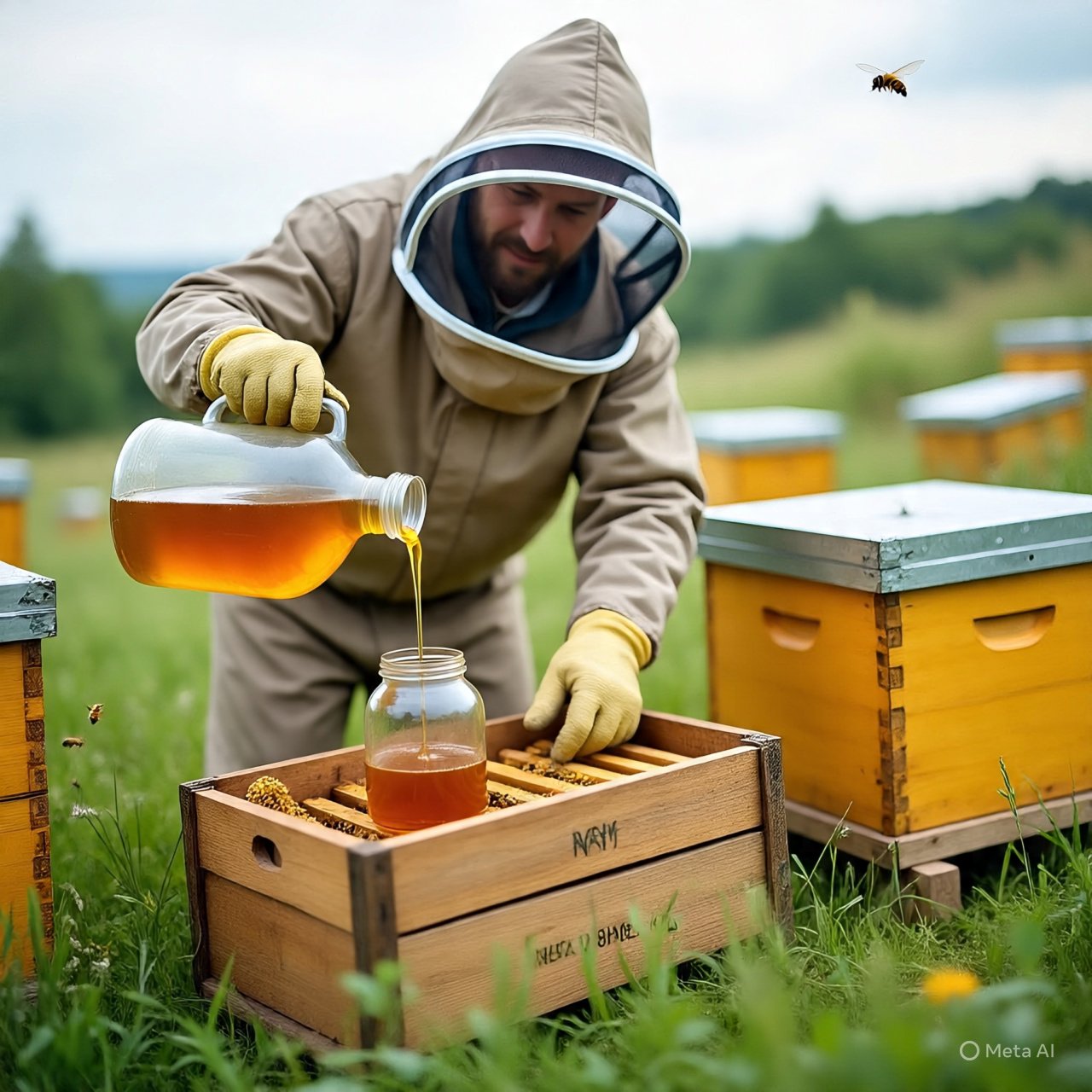
Packing honey might sound simple, pour it into a jar, seal it, and you’re done. In reality, it’s one of the most important stages in the entire honey journey. Even the best honey can lose its flavor, aroma, and shelf life if it’s packed poorly. Moisture sneaks in, fermentation starts, crystals form too early, or contamination ruins what should have been a clean, natural product.
Whether you’re packing honey at home, running a small-scale beekeeping setup, or working with bulk honey for sale, the way honey is handled, filtered, and stored makes a real difference. From temperature control to container choice, every step of the honey packing process plays a role in maintaining purity and quality.
Packing Honey
Packing honey is the process of transferring honey from its extracted state into containers that protect it from moisture, air, and contamination while preserving its natural taste and texture. It sits right between honey extraction and long-term storage or sale, and it’s where many problems quietly begin if care isn’t taken.
Honey packing isn’t just about filling jars. It involves choosing the right honey packing techniques, understanding the nature of raw and processed honey, and handling the product in a way that keeps it stable for months—or even years.
For raw honey especially, packing is delicate. Packing raw honey without overheating or excessive filtering helps maintain enzymes, pollen, and aroma. On the other hand, packing pure honey for commercial sale often requires tighter controls to meet labeling and food safety standards.
Understanding Honey Before You Pack It
Why Honey Behaves Differently Than Other Foods
Honey has a naturally low moisture content, which is why it resists spoilage better than many foods. But it’s also hygroscopic, meaning it absorbs moisture from the air. This single trait explains many honey packing problems.
If honey is exposed to humid air during packing, its moisture content can rise just enough to trigger fermentation. That’s why protecting honey from moisture is one of the core goals of proper honey packaging.
Temperature matters too. Honey thickens in cool conditions and flows more easily when warm, but excessive heat damages flavor and beneficial compounds. The challenge is finding the balance.
Raw, Pure, and Processed Honey During Packing
Packing raw honey usually involves minimal processing. It may be strained to remove wax particles, but it isn’t aggressively heated or filtered. This preserves natural qualities but makes moisture control and hygienic honey packing even more important.
Processed honey, often used in commercial honey packing, is usually heated and filtered more thoroughly. This improves clarity and shelf stability but can slightly change texture and aroma. Understanding the difference between raw vs processed honey packing helps you choose the right method for your goals.
Preparing Honey for Packing
Filtering, Straining, and Settling
Before honey ever reaches a jar, it needs time to settle. The honey settling process allows air bubbles, wax fragments, and foam to rise to the top naturally.
Common preparation steps include:
- Honey filtering before packing to remove large debris
- Straining honey through fine mesh or cloth
- Removing wax from honey without stripping natural particles
Honey clarification should be gentle. Over-filtering may make honey look cleaner, but it can reduce character and appeal, especially for buyers who value natural honey packing.
Temperature Control Before Packing
Honey flows best when gently warmed, but heating honey before packing must be done carefully. Excessive heat can darken honey and flatten its flavor.
Most packers aim for a temperature that allows smooth pouring without overheating. This also helps with moisture control in honey packing, as warm honey releases trapped air more easily before sealing.
Packing Honey at Home and Small Scale
Packing Honey at Home Without Contamination
Packing honey at home requires attention to cleanliness more than expensive equipment. Simple mistakes—like damp jars or unclean utensils—can compromise the entire batch.
Best practices include:
- Fully dry, food-grade containers
- Clean surfaces and tools
- Avoiding open windows or humid conditions
Homemade honey packing works well when hygiene is prioritized. This approach is ideal for DIY honey packing, especially for beginners handling small volumes.
Honey Packing for Beginners
For those new to honey packing, small scale honey packing is the safest place to start. It allows you to learn how honey behaves without the pressure of large batches.
Beginner mistakes often include:
- Sealing honey too soon before bubbles settle
- Using non-airtight containers
- Ignoring moisture levels
With time, these issues become easier to manage, and packing honey at home becomes second nature.
Commercial Honey Packing and Business Use
How Commercial Honey Packing Works
Commercial honey packing is more structured and controlled. Honey may pass through a honey packing plant where temperature, filtration, and hygiene are carefully monitored.
This process often includes:
- Honey processing and packing at scale
- Bulk honey packing for wholesalers
- Consistent batch control
The honey packing industry focuses heavily on shelf life, appearance, and compliance with food safety regulations.
Running a Honey Packing Business
A honey packing business must balance efficiency with quality. Setting up a honey packing unit involves choosing equipment, maintaining hygienic conditions, and following honey packing standards.
Food safety certification for honey is often required, especially when selling packed honey beyond local markets.
Containers and Packaging Materials for Honey
Choosing Honey Packing Jars and Bottles
The container you choose directly affects shelf life and customer trust. Common options include honey packing jars and honey packing bottles, each with benefits.
Airtight honey jars help prevent moisture absorption and preserve flavor. Food-grade containers for honey are essential, anything else risks contamination.
Glass vs Plastic Honey Packing
Glass vs plastic honey packing is a frequent debate. Glass is non-reactive and ideal for long-term storage, while plastic is lighter and less breakable for transport.
Both can work well if they are:
- Food-grade
- Properly sealed
- Stored correctly after packing
The best containers for packing honey depend on use, transport needs, and storage conditions.
Honey Storage After Packing
Storing Honey Properly
Once sealed, honey storage after packing is about stability. Honey should be kept in a cool, dry place away from direct sunlight.
Good storage supports:
- Product shelf stability
- Natural sweetener storage
- Long shelf life of packed honey
Crystallization, Moisture, and Shelf Life
Preventing honey crystallization isn’t always possible, nor is it a flaw. Crystallization is natural, especially in raw honey.
Refrigeration, however, usually speeds up crystallization rather than stopping it. Understanding temperature for packing honey and storage helps avoid surprises later.
Hygiene, Safety, and Legal Considerations
Hygienic Honey Packing Standards
Hygienic honey packing reduces the risk of contamination and spoilage. This includes clean equipment, controlled environments, and safe honey packing practices.
Packed honey quality standards often focus on moisture content, cleanliness, and labeling accuracy.
Labeling, Regulations, and Compliance
Honey labeling requirements vary, but commonly include:
- Honey label information
- Packing date on honey
- Country of origin
Labeling laws for honey are especially important for commercial sellers. Following food safety regulations for honey protects both consumers and your reputation.
Beekeeping to Jar: From Hive to Final Pack
Packing Honey from Beehives
Packing honey from beehives starts with careful extraction. Honey extraction and packing are closely linkedpoor handling at, extraction affects packing later.
Beekeeping honey packing emphasizes gentle handling, clean tools, and post-harvest honey handling that preserves quality.
Hive to Jar Honey Packing
Hive to jar honey packing is about continuity. Every step, from harvest to final seal, should protect flavor, aroma, and purity.
This approach builds trust with buyers who care about how packed honey is made and whether packed honey is pure.
Common Questions People Ask About Packing Honey
What is the best way to pack honey?
The best way to pack honey is using clean, dry, food-grade containers, sealing them airtight, and controlling moisture and temperature throughout the process.
Can I pack honey in my checked luggage?
Yes, but it must be sealed tightly, cushioned well, and placed in leak-proof bags to prevent pressure changes from causing spills.
Does refrigerating honey keep it from crystallizing?
No. Refrigeration usually encourages crystallization. Room-temperature storage in a dry place works better.
What is the process of packing honey?
It involves settling, filtering, temperature control, hygienic handling, filling containers, sealing, labeling, and proper storage.
ow Consumers Judge the Quality of Packed Honey
Once honey reaches the shelf, buyers don’t see the extraction room or the packing table—they judge quality based on what’s in front of them. The clarity, texture, aroma, and even the container all influence how packed honey is perceived.
Many people associate clear honey with purity, but clarity alone doesn’t define quality. Some of the best packed honey is lightly cloudy due to pollen and fine particles left behind during gentle filtering. Educating customers on this difference helps bridge the gap between appearance and real value.
From a buyer’s point of view, the best packed honey quality usually shows:
- No visible moisture separation
- No signs of fermentation (bubbles, sour smell)
- Consistent texture throughout the jar
- Clean, readable labeling
This is where careful honey handling practices during packing really pay off.
Preventing Contamination During Honey Packing
Packing honey without contamination is less about advanced equipment and more about discipline. Honey is naturally resistant to many microbes, but contamination can still occur if moisture or foreign material is introduced.
Common contamination risks include:
- Damp containers
- Unclean lids
- Exposure to humid air
- Poor post-harvest food handling
Using food-grade honey packing materials and keeping honey covered whenever possible reduces these risks significantly. Even small-scale or homemade honey packing can meet high safety standards when handled properly.
Contamination prevention also extends to the environment. Packing honey near strong odors, chemicals, or fermenting foods can affect aroma and flavor, even if the honey itself remains safe to eat.
Moisture Control: The Silent Threat in Honey Packing
Among all honey packing challenges, moisture is the most overlooked—and the most damaging. A slight increase in honey moisture content can turn stable honey into a fermenting product.
Moisture enters honey during:
- Packing in humid conditions
- Leaving containers uncovered too long
- Using containers that weren’t fully dry
Effective moisture control in honey packing includes working in a dry room, minimizing exposure time, and sealing jars promptly. For bulk honey packing, moisture monitoring becomes even more important, as a single compromised batch can affect large quantities.
This is why professional honey packing units often prioritize controlled environments, even more than filtration or heating.
Organic and Natural Honey Packing Considerations
Packing organic honey or chemical-free honey requires extra care. Buyers choosing organic or natural honey packing expect minimal processing and transparency.
Unfiltered honey packing is popular in this space, but it raises the importance of:
- Clean extraction
- Gentle straining
- Strict hygiene
Because organic honey is often sold raw, avoiding fermentation during packing becomes critical. Even small moisture mistakes can undermine the entire batch and damage trust with customers who value purity.
Honey Packaging Design and Practical Branding
While honey packaging design shouldn’t overshadow quality, it plays a real role in consumer trust. Clear jars, simple labels, and honest descriptions often outperform flashy designs in the honey market.
Effective branding packed honey usually focuses on:
- Origin and floral source
- Raw or processed status
- Packing date and batch details
Honey jar labeling should always match the actual product. Overpromising or vague claims can raise questions about authenticity and compliance with honey labeling requirements.
Good labeling laws for honey exist to protect both sellers and consumers, and following them closely strengthens long-term credibility.
Transporting and Sending Packed Honey
Once honey is packed, transport becomes the next challenge. Sending honey in the post or transporting it for sale introduces temperature changes and pressure shifts that can stress containers.
Key considerations include:
- Using airtight honey jars
- Cushioning to prevent breakage
- Leak-proof secondary packaging
Glass jars are excellent for storage but need extra care during transport. Plastic containers, when food-grade, may be more practical for shipping honey packing for sale over long distances.
Shelf Life and Long-Term Stability of Packed Honey
The shelf life of packed honey can extend for years when stored correctly. Honey doesn’t spoil in the traditional sense, but its texture and flavor can change over time.
Factors that influence long-term stability include:
- Initial moisture level
- Storage temperature
- Container quality
Proper food preservation techniques applied during packing help maintain product shelf stability. Storing honey properly means avoiding heat, direct sunlight, and fluctuating temperatures that accelerate crystallization or darkening.
Raw vs Packed Honey: Clearing Up Confusion for Buyers
Many buyers wonder about the difference between raw and packed honey. The confusion often comes from misunderstanding what “packed” actually means.
Packed honey simply refers to honey that has been placed into containers for storage or sale. It can still be raw, unfiltered, and natural. The key difference lies in how it’s processed before packing.
Helping customers understand how packed honey is made builds confidence and reduces skepticism around labeling terms like “raw,” “pure,” or “natural.”
Scaling Up Without Losing Quality
For producers moving from small scale honey packing to commercial honey packing, consistency becomes the biggest challenge. What works for ten jars doesn’t always work for a thousand.
Scaling successfully often involves:
- Standardizing honey packing methods
- Monitoring moisture and temperature closely
- Investing in better sealing equipment
Even in a growing honey packing business, maintaining the same careful approach used at home helps preserve taste and trust.
The Role of Handling in Final Taste and Texture
Honey’s final taste isn’t just about nectar source—it’s shaped by how the honey is handled after harvest. Rough handling, excessive heat, or rushed packing can flatten flavors and aromas.
Gentle honey handling practices preserve:
- Natural sweetness
- Floral notes
- Smooth texture
This is why experienced beekeepers often say that honey quality is protected, not created, during packing.
Building Trust Through Transparency in Honey Packing
Modern consumers want to know where their food comes from. Transparency in packing honey, from hive to jar, builds long-term loyalty.
Sharing details about:
- Beekeeping honey packing
- Post-harvest honey handling
- Packaging choices
helps buyers feel confident in what they’re purchasing. Trust, once lost through poor packing or unclear labeling, is difficult to rebuild.