

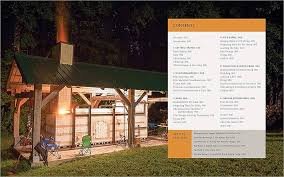
What is a Kiln and How Does it Work?
A kiln is more than just a furnace or an oven, it’s the heart of ceramic, pottery, glass, and metal crafting. At its core, a kiln is a specialized furnace oven designed to apply precise heat to materials, triggering chemical and physical transformations that produce durable, finished art pieces. The process of using a kiln, often referred to as kilning, involves carefully controlled heating and cooling cycles, and the results are kilned ceramics, glass, or metal objects.
Modern kilns come with digital kiln controllers that regulate temperature, firing cycles, and heatwork, ensuring each piece is fired perfectly. Inside the kiln chamber, kiln shelves and saggars protect delicate items, while pyrometric cones help monitor the heatwork to achieve the correct firing results. Whether you are a beginner potter or a professional ceramic artist, understanding the basic mechanics and terms associated with kilns is essential to mastering the art of firing and crafting.
Types of Kilns and Their Unique Features
Electric Kilns
Electric kilns are the most common for hobbyists and studio use. They offer precise temperature control, making them ideal for bisque firing, glaze firing, and pottery firing. Their convenience lies in their ease of use: you simply set the temperature and firing schedule, and the kiln does the rest. Electric powered kilns range from small hobby kilns for beginners to large studio kilns suitable for professional artists.
Gas Kilns
Gas kilns provide unique results due to their oxidation vs reduction firing effects. They are often used in ceramics and glasswork, where variations in glaze effects are desired. Types of gas kilns include wood-fired kilns, soda kilns, and salt kilns, each offering different textures and surface finishes. Gas kilns also allow more control over the kiln atmosphere, which affects the color and texture of the finished pieces.
Wood Kilns and Traditional Kilns
Traditional kilns like dragon kilns, anagama kilns, and noborigama kilns have been used for centuries. These kilns are typically wood-fired and offer unique aesthetic results that cannot be easily replicated in electric or gas kilns. While these require careful attention to heat distribution inside the kiln and firing temperature, the resulting ceramic glazes often have a depth and character prized by potters and collectors alike.
Specialty and Industrial Kilns
Other kilns include bottle kilns, roller-hearth kilns, continuous/tunnel kilns, and kilns for metal, tile, or glass. These are often used in industrial or specialized crafting contexts. They allow for high-temperature firing, precise heatwork measurement, and can handle large-scale production, making them essential for professional artisans.
Kiln Firing Process: From Clay to Ceramic
Firing a kiln is both an art and a science. The process typically involves the following stages:
- Loading the Kiln: Arrange items on kiln shelves and in saggars to prevent sticking and ensure even heat distribution.
- Bisque Firing: The first firing that hardens the clay and removes moisture.
- Glaze Firing: A higher temperature firing that melts the ceramic glazes, creating a smooth, glass-like surface.
- Cooling: Allowing the kiln to cool slowly to prevent cracking and stress in the pieces.
During firing, pyrometric cones help track heatwork to achieve consistent results. Monitoring firing temperature, ramp hold profiles, and kiln atmosphere is essential to prevent defects like warping or uneven glaze application. Understanding clay vitrification temperatures ensures the piece reaches the correct hardness without over-firing.
Kiln Materials and Equipment Essentials
Kiln Furniture and Shelves
To optimize firing, potters use kiln furniture such as shelves, posts, and stilts. These help stack pieces safely and prevent direct contact with the kiln floor. Saggars protect delicate ceramics during intense firings, especially in reduction or salt firing.
Refractory Materials
Kilns rely on insulation bricks, refractory bricks, and kiln liners to contain heat efficiently. Proper insulation ensures even temperature and heatwork measurement, critical for both electric and gas kilns.
Safety and Control
Using a kiln safely involves careful placement, ventilation, and attention to digital kiln controllers. Always follow kiln safety tips, including monitoring temperatures, preventing accidental burns, and using protective gear when loading and unloading the kiln.
Kilns in Craft, Art, and Pottery
Kilns are integral to creative processes in pottery and sculpture:
- Hand-built pottery and wheel-thrown ceramics rely on consistent firing to maintain shape and texture.
- Ceramic glazes undergo chemical changes in the kiln, influenced by kiln-to-glaze interaction and atmosphere.
- Sculptural firing can transform mixed media and experimental clay forms, making kilns versatile tools for artisans.
Kilns also play a role in glasswork and metal arts, where controlled heatwork can create intricate patterns, colors, and structural strength.
Choosing the Right Kiln for Your Needs
Selecting a kiln depends on skill level, project size, and desired results:
- Electric kilns for beginners: easy to operate with predictable results.
- Gas kilns for unique finishes and advanced techniques.
- Wood kilns for traditional aesthetic effects and artisanal projects.
- Consider outdoor kilns, hobby kilns, and studio kilns based on workspace.
Tips for beginners include understanding firing schedules, kiln furniture selection, and pyrometric cones. Learning to manage kiln atmosphere and heat distribution ensures successful firings and reduces mistakes.
Learning and Using a Kiln
For beginners, start with a step-by-step guide on how to fire a pottery kiln:
- Preheat the kiln to remove moisture slowly.
- Monitor kiln temperature rise and adjust according to the firing cycle.
- Use pyrometric cones to gauge the correct heatwork.
- Gradually cool the kiln to avoid cracking or warping.
Experienced artisans focus on advanced firing techniques, including raku kiln firing, oxidation/reduction adjustments, and sculptural experimentation.
Setting Up Your Kiln Studio
Creating a safe and functional space for your kiln is essential for both hobbyists and professional potters. A well-organized kiln studio ensures proper heat distribution, ventilation, and safety, while also making the firing process more efficient. Here are key considerations:
Location and Ventilation
- Place kilns in a well-ventilated area to manage fumes and heat.
- Electric kilns can be indoors with proper ventilation, but gas and wood kilns often require outdoor or semi-outdoor setups.
- Ensure the floor is heat-resistant, level, and stable to support the kiln’s weight.
Space and Accessibility
- Maintain enough space around the kiln for loading and unloading shelves safely.
- Have storage for kiln furniture, pyrometric cones, saggars, and tools nearby.
- Plan workstations for glaze preparation, clay shaping, and finishing.
Power and Utilities
- Electric kilns require appropriate voltage and amperage—consult the kiln manufacturer for requirements.
- Gas kilns need proper piping, regulators, and safe ignition systems.
- Temperature control devices, such as digital kiln controllers, improve consistency and reduce the risk of overheating.
Understanding Kiln Costs
Kiln prices vary widely depending on type, size, and features. Here’s a breakdown of typical considerations:
Electric Kilns
- Small hobby kilns: £200–£800
- Medium studio kilns: £1,000–£3,500
- Large professional kilns: £4,000+
Electric kilns are generally more affordable and easier to maintain, making them a popular choice for beginners.
Gas and Wood Kilns
- Gas kilns: £3,000–£8,000
- Wood kilns (traditional styles like anagama or dragon kilns): £5,000–£15,000+
These kilns provide unique aesthetic finishes but require more skill, fuel costs, and maintenance.
Additional Costs
- Kiln furniture (shelves, posts, stilts): £50–£500 depending on size and material.
- Pyrometric cones and thermocouples: £5–£30 per unit.
- Refractory bricks or insulation for repairs or replacement: £50–£200.
Understanding the total investment helps hobbyists and professionals plan their studio effectively while maximizing the kiln’s lifespan.
Advanced Kiln Techniques
Once you are familiar with basic firing, you can explore advanced kiln techniques to enhance your craft:
Raku Firing
- Involves rapid firing in a raku kiln, followed by quick cooling in combustible materials.
- Produces metallic, crackled glaze effects that are impossible to achieve with standard firing.
- Requires careful monitoring of heatwork and kiln atmosphere.
Reduction Firing
- Achieved in gas kilns by limiting oxygen during the firing process.
- Enhances the richness and depth of glazes, particularly in ceramic glazes containing metals like copper.
- Requires experience with firing schedules, temperature ramping, and cooling.
Salt and Soda Firing
- Introduces salt or soda into the kiln at high temperatures, creating a unique textured glaze on the ceramic surface.
- Popular for functional pottery like bowls and mugs.
- Requires specialized knowledge of kiln atmosphere to prevent damage to the kiln’s interior.
Convection and Heat Distribution Techniques
- Modern convection kiln designs distribute heat evenly across the chamber, reducing warping and cracking.
- Monitoring temperature rise and firing curve ensures consistency across multiple pieces.
Choosing Kiln Furniture and Accessories
Proper kiln furniture and accessories are crucial for firing success.
- Kiln shelves and posts: Support stacked pieces and prevent sticking.
- Saggars: Protect delicate or reactive glazes during firing.
- Thermocouples and pyrometric cones: Monitor the kiln’s actual temperature, ensuring accurate heatwork measurement.
- Kiln liners and insulation bricks: Maintain stable temperatures and improve energy efficiency.
Selecting the right accessories based on the kiln type and your craft goals allows for safe, precise, and repeatable firing results.
Kiln Maintenance Tips
Regular maintenance prolongs kiln life and ensures safety:
- Inspect heating elements, gas burners, or wood firebox components before each firing.
- Check insulation, refractory bricks, and kiln furniture for cracks or wear.
- Clean kiln shelves and saggars to prevent glaze drips from fusing to them.
- Calibrate digital kiln controllers periodically to maintain accurate temperatures.
Kiln Atmosphere and Its Effects on Glaze
The kiln atmosphere, oxidation, reduction, or neutral, has a significant impact on final glaze results:
- Oxidation firing: Plenty of oxygen, producing bright and consistent colors.
- Reduction firing: Limited oxygen, enhancing depth and metallic effects in glazes.
- Neutral firing: Balanced atmosphere for stable and predictable results.
Understanding kiln atmosphere is essential for experimenting with hand-built pottery, wheel-thrown ceramics, and sculptural firing projects.
Firing Schedules and Heatwork
Every kiln has a firing schedule that defines temperature ramps, hold times, and cooling. A typical schedule includes:
- Preheat stage: Slowly remove moisture to avoid cracking.
- Ramp stage: Gradually increase temperature to bisque or glaze firing range.
- Soak stage: Hold the kiln at peak temperature for glaze maturation.
- Cooling stage: Allow slow, controlled cooling to relieve thermal stress.
Following a firing schedule ensures consistent results, whether you are firing a clay body, ceramic glaze, or glass project.
Choosing the Right Kiln for Your Craft
Selecting the right kiln depends on your medium, production volume, and skill level. Here’s a detailed guide:
For Beginners and Hobbyists
- Small electric kilns: Ideal for home studios; they are easy to use, plug into standard outlets, and require minimal setup.
- Plug-in pottery kilns: Perfect for firing small sculptures, test pieces, or hobby ceramics.
- Budget considerations: Look for models with reliable digital controllers and pre-programmed firing schedules.
For Intermediate or Studio Potters
- Medium-sized electric or gas kilns: Offer flexibility for multiple pieces, larger ceramic projects, or small-scale production.
- Top-loading or front-loading kilns: Easier to load multiple shelves and saggars.
- Kiln controllers: Investing in digital controllers or programmable firing profiles improves precision and repeatability.
For Professionals or Large-Scale Ceramics
- Continuous kilns (tunnel kilns): Designed for high-volume production in industrial settings.
- Wood-fired anagama or dragon kilns: Offer unique aesthetic effects, particularly for functional or sculptural ceramics.
- Custom-built kilns: Often necessary for specialized glasswork, metalwork, or large-scale ceramic installations.
Additional Considerations
- Kiln type impacts firing techniques: Raku, salt, or soda firing require specialized kilns.
- Space and ventilation must align with the kiln size and fuel type.
- Maintenance and energy efficiency should factor into long-term cost planning.
Historic and Cultural Kiln Types
Understanding historic kilns can inspire both technique and aesthetic in contemporary pottery:
Dragon Kiln
- Long, sloped Chinese kiln used for mass production of ceramics.
- Heat flows from the bottom to the top chamber, allowing multiple firing zones.
- Produces consistent color and glaze effects over large batches.
Anagama Kiln
- Ancient Japanese wood-fired kiln, often built into hillsides.
- Requires skillful stoking to control temperature and oxygen levels.
- Produces unique ash deposits and glaze textures favored in traditional Japanese ceramics.
Noborigama Kiln
- Multi-chamber Japanese kiln built on a slope.
- Allows sequential firing of multiple chambers with shared heat distribution.
- Ideal for large-scale pottery or experimental ceramic pieces.
Bottle and Top-Hat Kilns
- Bottle kilns: Historically used in the UK for bricks, tiles, and industrial ceramics.
- Top-hat kilns: Compact, efficient, and often used for small-scale studio firing.
Creative Applications with Kilns
Kilns aren’t just for pottery, they open a world of creative possibilities:
Ceramics and Pottery
- Hand-built pottery: Coil, slab, or pinch techniques benefit from kiln firing for durability.
- Wheel-thrown ceramics: Kilns finish functional mugs, bowls, and plates with glaze effects.
- Sculptural firing: Kilns support artistic ceramic sculptures and experimental forms.
Glasswork
- Fusing and slumping: Heat glass to reshape or bond layers using specialized glass kilns.
- Kiln-formed glass art: Allows controlled melting, bending, and shaping for decorative pieces.
Metal and Mixed Media
- Enameling: Firing metal pieces with colored glass powders in a kiln produces vibrant jewelry or artwork.
- Metal clay: Kiln firing transforms malleable metal clay into solid silver or gold pieces.
Educational and Hobby Uses
- Schools, community studios, and hobby workshops use kilns for hands-on learning.
- Kilns teach temperature control, heatwork measurement, and material behavior.
- Hobby kilns are excellent for experimenting with glazes, textures, and creative firing techniques.
Safety and Best Practices
Firing a kiln requires attention to safety, whether at home or in a professional studio:
- Always follow the manufacturer’s instructions for ventilation, power requirements, and fire prevention.
- Wear heat-resistant gloves and avoid placing flammable materials near the kiln.
- Ensure proper airflow, especially for gas or wood kilns, to prevent buildup of harmful fumes.
- Regularly inspect kiln elements, thermocouples, and refractory components for wear or damage.
- Keep a fire extinguisher and first aid kit nearby in studio spaces.
Maximizing Results with Kiln Knowledge
Successful kiln use combines technical knowledge, experimentation, and attention to detail:
- Track your firing schedules and results in a logbook to understand how changes affect glazes and clay bodies.
- Experiment with pyrometric cones to gauge heatwork accurately rather than relying solely on kiln controllers.
- Adjust loading patterns to maximize heat distribution and reduce warping or cracking.
- Study kiln atmosphere effects (oxidation vs reduction) to intentionally achieve desired glaze results.