
If you’ve ever eaten in Naples or explored southern Italian cooking beyond the usual pasta and pizza, chances are you’ve come across friarielli, or at least heard someone passionately argue about them. Loved for their bold bitterness and unmistakable aroma, friarielli are not a shy vegetable. They’re rustic, deeply tied to place, and impossible to forget once they hit your plate.
Often described as a Neapolitan Italian green, friarielli sit at the heart of everyday cooking in Campania. They’re sautéed, pan-fried, folded into pasta, piled onto pizza, and paired with sausage in ways that feel simple but incredibly intentional. Outside Italy, though, friarielli are surrounded by confusion: Are they broccoli rabe? Rapini? Cime di rapa? Something else entirely?
To really understand friarielli, you have to look beyond a single definition and see how culture, flavor, and tradition all come together.
What is friarielli?
At its simplest, friarielli refers to the tender leaves, stems, and immature flower buds of a specific variety of Brassica rapa, closely related to turnip greens. In Naples and much of Campania, friarielli are their own thing, distinct in name, preparation, and identity.
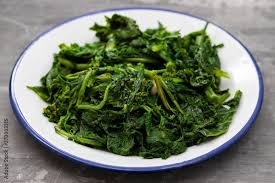
The word friarielli comes from the Neapolitan verb frijere, meaning “to fry.” That alone tells you a lot about how these greens are traditionally treated. Friarielli are not boiled into submission or hidden behind sauces. They’re cooked quickly in olive oil, often with garlic and chilli, letting their naturally bitter character shine.
You’ll often see the term broccolo friariello Napoli, which points directly to their regional roots. In everyday Italian cooking, friarielli are commonly served as a contorno, a side dish meant to balance richer mains rather than steal the spotlight outright.
Friarielli meaning and definition
The friarielli meaning goes beyond a dictionary-style explanation. Yes, they are leafy greens from the mustard family. Yes, they’re related to broccoli rabe and rapini. But in southern Italy, the name friarielli signals a very specific expectation:
- A bold, slightly bitter taste
- A quick sauté in olive oil
- A connection to Neapolitan home cooking
The friarielli definition shifts depending on where you are. In Naples, friarielli are understood instinctively. Outside Italy, the name is often used interchangeably with rapini or broccoli rabe, even though purists would argue they’re not exactly the same.
That flexibility is part of why people search for what are friarielli so often. The answer depends as much on geography and tradition as it does on botany.
Friarielli pronunciation (and why people get it wrong)
For anyone encountering the word for the first time, friarielli pronunciation can feel intimidating. In Italian, it’s pronounced roughly as:
free-ah-ree-EL-lee
The double “l” sound is soft, not sharp, and the emphasis falls naturally toward the end. Outside Italy, it’s common to hear variations, especially in English-speaking kitchens. While pronunciation matters, what really counts is understanding what friarielli represent on the plate.
Where friarielli come from in Italy
Friarielli and Neapolitan food culture
Friarielli are inseparable from Naples cuisine. They’re part of the everyday rhythm of eating in Campania, especially during cooler months when winter leafy greens dominate local markets. In Neapolitan homes, friarielli aren’t treated as a trend or specialty item. They’re a staple.
This is why you’ll often see phrases like Neapolitan friarielli or friarielli Campania—they point to a vegetable deeply rooted in place. These greens show up in street food, family meals, and classic dishes that have been cooked the same way for generations.
Friarielli in southern Italy
Across southern Italy, bitter greens play a central role in balancing rich flavors. Friarielli fit perfectly into this tradition. Their bitterness cuts through fatty meats, melted cheese, and fried dough, making them an essential counterpoint rather than an afterthought.
Friarielli vs similar Italian greens
One of the biggest sources of confusion around friarielli is how often they’re compared to other greens. Searches like friarielli vs broccoli rabe or friarielli vs rapini exist for a reason.
Friarielli vs broccoli rabe
Broccoli rabe is the name most commonly used in English-speaking countries. Botanically, it’s very close to friarielli, and in many contexts, the two are treated as the same vegetable. However, traditional friarielli tend to be:
- Slightly more tender
- More leaf-forward than stem-heavy
- Intensely bitter when young
So while broccoli rabe is often used as a substitute, Neapolitans would argue it’s not a perfect match.
Friarielli vs rapini
Rapini is the Italian term most people outside Campania are familiar with. In northern Italy and internationally, rapini is the standard name. This is why people frequently ask, are friarielli and rapini the same?
The honest answer: they’re closely related, sometimes identical in practice, but culturally distinct. Friarielli are a regional expression of rapini, prepared and understood through a Neapolitan lens.
Friarielli vs cime di rapa and broccoletti
Cime di rapa and broccoletti are often mentioned in the same breath, especially in pasta dishes. While all belong to the broader family of Italian turnip greens, each has its own regional identity. Friarielli are generally more bitter and more closely associated with frying rather than boiling or braising.
Botanical background without the jargon
From a classification standpoint, friarielli fall under Brassica rapa sylvestris, part of the wider mustard family greens. This places them alongside turnip tops, rapini, and other cruciferous vegetables.
That botanical link explains a lot about their flavor. The bitterness people either love or struggle with comes from the same compounds that give mustard and other bitter greens their punch. In Mediterranean cooking, this bitterness isn’t something to hide, it’s something to celebrate.
What do friarielli taste like?
People searching what does friarielli taste like are usually trying to prepare themselves. Friarielli are unapologetically bold. Raw, they’re sharp and grassy. Cooked properly, they become:
- Bitter, but balanced
- Slightly nutty
- Deeply savory
When sautéed with garlic, chilli, and olive oil, friarielli transform into something complex and addictive. This is why they’re often described as bitter Italian greens rather than simply “leafy vegetables.”
Texture plays a role too. The leaves soften, the stems retain a gentle bite, and the overall result feels hearty rather than delicate.
How to cook friarielli the traditional way
Preparing friarielli step by step
Before cooking, proper prep matters. Knowing the best way to clean friarielli makes all the difference.
- Rinse thoroughly to remove grit
- Trim overly thick stems
- Separate larger leaves if needed
Some cooks blanch friarielli briefly to tame bitterness, while others skip this step entirely to keep their edge.
Pan-fried friarielli, Neapolitan style
The most classic method is simple and fast:
- Heat olive oil generously
- Add crushed garlic
- Toss in friarielli
- Finish with chilli flakes
This creates olive oil sautéed greens that are glossy, aromatic, and unmistakably Italian. Overcooking is the most common mistake, friarielli should still taste alive.
Friarielli as a contorno and beyond
As a friarielli contorno, these greens are served alongside meat, fish, or bread-based dishes. But they rarely stay confined to the side of the plate.
They’re folded into friarielli pasta, paired with sausage in salsiccia e friarielli, and layered onto pizza as a bold topping. Their bitterness makes them especially good with rich ingredients like mozzarella or pork.
Friarielli in pasta dishes
One of the most comforting ways to enjoy friarielli is folded into pasta. In southern Italy, pasta dishes are rarely complicated, and friarielli pasta is a perfect example of how a few ingredients can carry enormous flavor.
A classic preparation involves short pasta shapes that catch the sautéed greens and olive oil in every bite. Orecchiette with friarielli is particularly popular because the little “ears” cradle the leaves and stems beautifully. Garlic-infused oil, a touch of chilli, and sometimes anchovy create a sauce that feels rich without being heavy.
You’ll also see friarielli compared to pasta con cime di rapa, a dish more commonly associated with Puglia. While the structure is similar, the flavor isn’t identical. Friarielli tend to be sharper and more assertive, giving the pasta a deeper bitterness that defines the dish rather than blending quietly into it.
These pasta dishes highlight why friarielli are considered rustic Italian vegetables. They don’t rely on cream, butter, or elaborate techniques, just confidence in their natural taste.
Salsiccia e friarielli: a classic pairing
If there’s one dish that defines friarielli in Naples, it’s salsiccia e friarielli. This pairing shows up everywhere: trattorias, street-food stalls, home kitchens, and even sandwiches wrapped in paper.
The logic behind the combination is simple:
- The sausage brings fat and richness
- Friarielli bring bitterness and bite
Together, they balance each other perfectly. The sausage is usually grilled or pan-seared, while the friarielli are cooked separately with garlic and chilli before being combined. Sometimes they’re served side by side, other times mixed together so the flavors meld.
This dish explains why people often search for friarielli and sausage recipe. It’s not just popular, it’s foundational. For many Italians, this is the dish that first comes to mind when friarielli are mentioned.
Friarielli on pizza and street food
What friarielli on pizza really means
Outside Italy, the idea of putting bitter greens on pizza might sound unusual. In Naples, it feels completely natural. Friarielli pizza topping is a classic choice, especially when paired with sausage or mozzarella.
So when people ask, what is friarielli on pizza?, the answer is simple: it’s a topping that adds contrast. The bitterness cuts through melted cheese and dough, keeping the slice from feeling heavy.
Typically, the friarielli are pre-cooked—pan-fried with garlic and chilli—before being added to the pizza. This ensures they don’t release excess moisture and that their flavor stays concentrated.
Friarielli in Neapolitan street food
Beyond pizza, friarielli show up in sandwiches, fried dough pockets, and casual street food across Naples. You’ll often find them stuffed into bread with sausage, creating a portable version of salsiccia e friarielli that’s deeply satisfying.
This everyday presence reinforces why friarielli are so closely tied to Naples cuisine. They’re not reserved for special occasions; they’re part of daily life.
Vegetarian ways to enjoy friarielli
Although friarielli are frequently paired with meat, they work just as well on their own. Many vegetarian friarielli recipes focus on letting the greens take center stage.
Some common approaches include:
- Friarielli sautéed with garlic and chilli, served with crusty bread
- Friarielli and mozzarella layered on pizza or flatbread
- Friarielli folded into pasta with toasted breadcrumbs
In these dishes, friarielli don’t feel like a substitute for meat. Their bold flavor gives them enough presence to stand alone, which is one reason they’re appreciated by people who enjoy bitter leafy vegetables.
Friarielli bruschetta and small plates
Another popular use is friarielli bruschetta. Here, the greens are spooned over toasted bread, often rubbed with garlic and drizzled with olive oil. Sometimes cheese is added, sometimes not.
This preparation works because friarielli don’t need much. Their bitterness contrasts beautifully with crunchy bread and fruity olive oil, making them ideal for simple starters or shared plates.
Fresh vs preserved friarielli
Not everyone has access to fresh friarielli, especially outside Italy. This is where preserved options come in.
Friarielli in oil
Friarielli in oil are widely available through Italian food retailers. They’re typically blanched, seasoned, and packed in oil, which softens their bitterness slightly while preserving their character.
These are especially popular as:
- Pizza toppings
- Sandwich fillings
- Add-ins for quick pasta dishes
Because they’re already cooked, they’re convenient, though they lack some of the brightness of fresh greens.
Jarred and canned friarielli
You’ll also find jarred friarielli and canned friarielli, often labeled as artisanal or traditional Italian products. Quality varies, so it’s worth checking ingredient lists. The best versions contain little more than friarielli, oil, salt, and sometimes chilli.
People searching buy friarielli or Italian friarielli product are often looking for these preserved options. They’re a practical way to experience friarielli flavor year-round.
Artisanal friarielli and regional products
Some producers specialize in artisanal friarielli, sourcing greens directly from Campania and preserving them using traditional methods. These products tend to retain more texture and a cleaner bitterness.
They’re often labeled as friarielli napoletani, highlighting their regional authenticity. For anyone interested in Campania food traditions, these products offer a closer connection to how friarielli are meant to taste.
Nutrition and health benefits of friarielli
Beyond flavor, friarielli are valued for their nutritional profile. As part of the cruciferous family, they share many of the benefits associated with broccoli, kale, and turnip greens.
Friarielli nutrition basics
Friarielli are:
- Low in calories
- High in fiber
- Rich in vitamins like A, C, and K
This is why people often ask, are friarielli healthy? From a nutritional standpoint, the answer is yes.
Health benefits of bitter greens
The bitterness in friarielli isn’t just a flavor choice—it’s linked to compounds associated with cruciferous greens benefits. These compounds are often discussed in relation to digestion and overall dietary balance, especially in Mediterranean-style eating patterns.
In traditional Italian cooking, bitter greens are seen as cleansing and restorative, particularly during colder months when heavier foods are more common.
Storing and freezing friarielli
Fresh friarielli are best used quickly, but there are ways to extend their life.
Can you freeze friarielli?
Yes, and this is another common search question. Can you freeze friarielli? You can, but with a few caveats.
Blanching them briefly before freezing helps preserve color and texture. Once thawed, frozen friarielli work best in cooked dishes like pasta or sautéed preparations rather than as a standalone side.
Fresh storage tips
When stored fresh:
- Keep friarielli refrigerated
- Use within a few days
- Avoid sealing them too tightly, which can trap moisture
Preserved versions, like friarielli in oil, last much longer and are convenient for quick meals.
Friarielli compared to alternatives
People unfamiliar with friarielli often look for substitutes, leading to searches like alternative to friarielli or best greens like friarielli.
While nothing is identical, the closest options include:
- Broccoli rabe
- Rapini
- Turnip tops
Each offers some bitterness, but friarielli remain distinct in how they’re traditionally prepared and used.
Why friarielli leave such a strong impression
Friarielli aren’t trying to be mild, trendy, or universally appealing. They represent a style of cooking that values honesty and contrast. Their bitterness, their aroma when sautéed, and their deep connection to Naples give them a personality few vegetables can match.
Whether you encounter them fresh, pan-fried with garlic, folded into pasta, or spooned from a jar onto pizza, friarielli tend to linger in your memory. They challenge your palate just enough to make you want another bite, and then another.
That’s why friarielli aren’t just an ingredient. They’re an experience rooted in southern Italian cooking, shaped by tradition, and passed down one pan of sizzling olive oil at a time.