

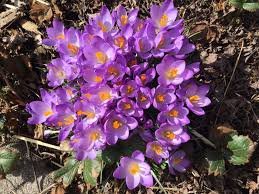
When winter finally begins to loosen its grip, one of the earliest signs of seasonal change is the appearance of the crocus flower. These small yet vibrant blooms often emerge when the ground is still cold, sometimes even pushing through snow. Because of this early arrival, the crocus plant has long been associated with the start of spring and the promise of warmer days ahead.
Gardeners and nature lovers admire crocus flowers for their bright colors, simple beauty, and ability to bloom when most plants are still dormant. Whether growing in garden beds, lawns, or natural landscapes, crocus plants create a cheerful display that signals the end of winter. Beyond their beauty, crocuses also have a fascinating botanical background, unique flower structure, and even a connection to one of the world’s most valuable spices.
This detailed crocus plant guide explores everything from crocus meaning and symbolism to plant anatomy, species, growing conditions, and the role these flowers play in gardens around the world.
What Is Crocus?
The term crocus refers to a genus of flowering plants known for producing delicate blooms early in the year. Many people recognize crocuses as one of the first plants to flower after winter, making them a favorite in spring gardens.
Crocus Definition and Botanical Identity
In botanical terms, the crocus genus belongs to the Iridaceae family, the same plant family that includes irises. These plants are classified as herbaceous perennial plants, meaning they grow and bloom each year while their underground structures survive through dormant seasons.
Unlike many flowering plants that grow from bulbs, crocus plants develop from a crocus corm, which is a swollen underground stem that stores nutrients. This corm allows the plant to survive cold winters and quickly produce flowers once temperatures begin to rise.
Key characteristics of the crocus classification include:
- A flowering plant that belongs to the monocot group
- Growth from underground corm structures rather than bulbs
- Narrow, grass-like leaves that appear alongside flowers
- Small but vibrant cup-shaped blooms
Because of these traits, crocus plants are often described as geophytes, a category of plants that survive unfavorable seasons through underground storage organs.
Crocus Plant Profile
Looking at a crocus plant profile reveals a fascinating combination of delicate beauty and resilient growth. Although the plant is small, its structure is surprisingly complex.
The crocus plant anatomy includes several important parts:
- Crocus petals that form the cup-shaped flower
- Bright crocus stamens that produce pollen
- A central crocus stigma that receives pollen for reproduction
- The crocus anther, where pollen is formed
- Underground crocus root system connected to the corm
These flowers are typically only a few inches tall, yet they create a striking visual effect when planted in groups. Their ability to bloom early in the season gives them a special place among spring garden plants.
Many gardeners are surprised to learn that crocus plants can also produce crocus seeds, although propagation is more commonly achieved through crocus corm propagation.
Crocus Meaning and Symbolism
Beyond their botanical characteristics, crocuses carry symbolic meanings that have developed over centuries.
Crocus Flower Meaning
The crocus flower meaning is closely connected to the seasons. Because these blooms appear when winter fades, they are widely seen as symbols of:
- renewal
- hope
- rebirth
- joy
In many cultures, the appearance of a spring crocus signals that nature is waking up again. The flowers represent optimism and the arrival of new life in the garden.
Crocus Meaning Symbolism in Traditions
Throughout history, crocus symbolism has been associated with happiness and emotional renewal. Their bright colors and early blooms make them natural symbols of cheerful beginnings.
Common interpretations of crocus flower symbolism include:
- youthful happiness
- fresh opportunities
- seasonal change
- encouragement and positivity
In the tradition known as the language of flowers, the crocus represents cheerfulness and joy. Because the flowers appear after months of cold weather, they remind people that warmer days and brighter seasons are always ahead.
Crocus Species and Varieties
The crocus genus includes many species, each with unique characteristics. Gardeners often choose specific varieties depending on bloom time, flower color, and garden design.
Popular Crocus Species
Some of the most well-known crocus species include:
- crocus sativus
- crocus vernus
- crocus chrysanthus
- crocus flavus
- crocus biflorus
Each species has slightly different features. For example, crocus vernus is known for producing larger flowers, while croc us chrysanthus often blooms earlier in the season.
Additional Crocus Varieties
Other notable species often found in gardens include:
- crocus speciosus
- crocus tommasinianus
- crocus sieberi
- crocus kotschyanus
- crocus cancellatus
- crocus olivieri
These varieties differ in color, blooming season, and environmental preferences. Some croc us plants bloom in early spring, while others produce flowers in autumn.
This wide range of species means gardeners can enjoy croc us flowers for much longer than many people realize.
Crocus Flower Characteristics
One of the reasons croc us plants are so popular is their distinctive appearance. Despite their small size, these flowers stand out because of their vibrant colors and elegant shape.
Crocus Flower Colors
Croc us flowers come in several beautiful shades, including:
- purple croc us
- yellow croc us
- white cro cus
- lilac croc us
These bright colors appear against the still-muted landscape of late winter and early spring, making them especially eye-catching.
Crocus Flower Shape and Structure
The typical croc us flower shape is cup-like, with petals that open wide in sunlight. The flower emerges from a narrow croc us floral tube that extends from the underground corm.
Important parts of the croc us flower structure include:
- six petal-like segments forming the bloom
- three stamens producing pollen
- a central stigma
Because the flowers grow close to the ground, they are somewhat protected from wind and cold temperatures.
Leaves and Growth Habit
The leaves of croc us plants are long and narrow with a thin white stripe running down the center. These grass-like leaves appear shortly before or alongside the blooms.
Although croc uses produce small flowers, planting them in clusters creates a dramatic visual effect across lawns, gardens, or natural landscapes.
Why Crocus Is Known as the First Flower of Spring
Croc uses are often described as the first spring flowers, and this reputation comes from their remarkable blooming behavior.
Crocus Blooming Season
The croc us blooming season depends on the species and climate. Many spring varieties begin flowering in late winter or very early spring.
Typical blooming periods include:
- late winter to early spring for spring crocus
- early autumn for autumn crocus varieties
Because they bloom before many other plants, croc uses are sometimes called early bloomers.
Crocus and Seasonal Change
In many regions, the appearance of croc us flowers marks the transition from winter to spring. Their blooms often emerge in places such as:
- garden lawns
- flower beds
- rock gardens
- woodland edges
Seeing these colorful flowers appear among melting snow or cold soil is one of the most encouraging signs that the seasons are changing.
How to Grow Crocus Successfully
For gardeners, croc uses are among the easiest plants to grow. They require minimal care and return year after year with beautiful blooms.
Crocus Growing Conditions
The best croc us growing conditions include:
- well-drained soil
- moderate sunlight
- cool winter temperatures
- light watering
Croc us plants prefer areas where the soil does not remain wet for long periods. Excess moisture can damage the corm.
Crocus Care Guide
A basic croc us care guide usually involves simple maintenance steps.
Helpful care tips include:
- allowing foliage to die back naturally after flowering
- avoiding excessive watering
- planting in clusters for stronger visual impact
Because croc uses are hardy plants, they require very little maintenance once established.
Crocus Planting Guide
Planting cro cus correctly ensures healthy growth and vibrant blooms each year.
When to Plant Crocus Bulbs
Although often called croc us bulbs, the correct term is croc us corms. These should generally be planted in autumn.
The croc us planting season usually occurs between:
- early September
- late November
Planting during this period allows the corms to develop strong roots before winter arrives.
Crocus Planting Tips
Successful croc us bulbs planting usually follows a few simple steps:
- plant corms about 7–10 cm deep
- space them a few centimeters apart
- choose sunny or lightly shaded locations
Many gardeners plant croc uses in large groups so that when they bloom, the effect is much more dramatic.
Croc uses work especially well in:
- crocus flower beds
- lawns
- meadow-style gardens
- borders and pathways
Crocus in Gardens and Landscaping
Because of their early blooms and bright colors, croc us plants are widely used in garden design.
Crocus Garden Flowers
Croc uses are among the most popular spring garden flowers. They can create a colorful display before other plants begin to grow.
Gardeners often use them for:
- early spring color
- naturalized lawns
- mixed flower beds
Crocus Landscape Plants
In landscaping, croc uses are valued as ornamental plants that can spread naturally over time.
They are often planted in:
- rock gardens
- meadow gardens
- woodland borders
- open lawns
Over time, croc us plants multiply underground and create larger patches of flowers each spring.
Saffron and the Crocus Connection
One of the most fascinating aspects of croc us plants is their connection to saffron.
Crocus Sativus and Saffron Production
The famous spice saffron comes from the plant croc us sativus. This species produces flowers with deep red saffron stigma, which are carefully harvested and dried.
Each flower produces only a small amount of saffron, which is why the spice is considered extremely valuable.
Saffron Cultivation
Producing saffron involves careful farming and harvesting practices.
Key steps include:
- growing saffron croc us plants
- harvesting the flowers by hand
- removing delicate saffron threads
- drying the threads for spice production
Because thousands of flowers are needed to produce small quantities of saffron, the process requires significant labor.
Related Flowers That Bloom with Crocus
Croc uses are often planted alongside other early-blooming flowers to create vibrant spring displays.
Some commonly paired plants include:
- tulips
- daffodils
- hyacinths
- primroses
- violets
- narcissus
- anemones
- daisies
These plants share similar blooming periods, making them ideal companions in spring garden designs.
What is special about the crocus flower?
One reason the croc us flower is so special is its ability to bloom extremely early in the year. When most plants remain dormant, crocuses appear with bright colors that instantly transform the landscape.
Another unique feature is the plant’s connection to saffron production. The species croc us sativus produces the spice saffron, which is harvested from the flower’s stigma. This combination of ornamental beauty and agricultural value makes croc us plants unique among garden flowers.
What month do crocus flowers in the UK?
In the United Kingdom, most spring croc us flowers bloom between February and March, depending on the weather. Some varieties may appear slightly earlier in mild winters, while autumn-blooming croc us species flower around September or October.
What is the other name for crocus?
Croc us is sometimes referred to as the saffron flower when discussing the species used to produce saffron. In gardening contexts, people may also describe them as spring croc us or autumn croc us, depending on their blooming season.
When should crocus bulbs be planted?
Croc us corms should generally be planted in autumn, usually between September and November. Planting during this time allows the underground corm to establish roots before winter, ensuring healthy growth and beautiful blooms the following spring.
These plants share similar blooming periods, which makes them perfect companions for croc us flowers in a spring landscape. When planted together, they create layers of color and texture that bring gardens to life just as winter ends.
Early Spring Garden Combinations
Many gardeners design their flower beds so that croc us plants bloom first, followed by other early spring flowers. This approach keeps gardens colorful for a longer period.
Popular combinations include:
- croc us and tulips for layered spring color
- croc us and daffodils for bright yellow and purple contrast
- croc us and hyacinths for fragrance and vibrant blooms
- croc us and primroses for low-growing flower carpets
These plant pairings help transform gardens into lively spring displays filled with color and natural beauty.
What is special about the crocus flower?
The croc us flower holds a unique place among garden plants because it is one of the earliest bloomers of the year. When most plants are still dormant, croc us blossoms emerge from the soil and create a burst of color that signals the arrival of spring.
Another remarkable feature of croc us flowers is their ability to grow in cool conditions. Many species can bloom even when frost is still present. This resilience is made possible by the plant’s underground croc us corm, which stores nutrients during the dormant season.
Croc uses are also admired for their elegant flower structure. The petals open into a delicate cup shape that reveals the plant’s stamens and stigma, creating a striking contrast of colors inside the bloom.
Beyond ornamental value, croc uses have a fascinating connection to agriculture. The species croc us sativus produces saffron, one of the most prized spices in the world. The spice comes from the flower’s bright red saffron stigma, which must be carefully harvested by hand.
These qualities make croc us plants special for several reasons:
- they are among the first spring flowers to appear
- they thrive in cool climates and bloom early in the year
- they bring vibrant color to gardens after winter
- one species produces the valuable spice saffron
Because of these features, croc uses are loved by gardeners, botanists, and nature enthusiasts alike.
What month do crocus flowers in the UK?
In the United Kingdom, croc us flowers usually bloom between February and March, although the exact timing can vary depending on weather conditions and the species being grown.
Spring-flowering croc us varieties often begin emerging in late winter, especially during mild years when temperatures rise earlier than usual. Gardeners frequently notice the first croc us blossoms appearing in lawns and flower beds while the rest of the garden is still quiet.
Typical blooming periods include:
- late January to early February in warmer regions
- February to March for most spring croc us varieties
- September to October for autumn-flowering croc us species
Because they bloom so early, croc us plants are often planted in areas where they can be easily seen from windows or walkways. Their appearance marks one of the first visible signs that spring is approaching.
What is the other name for crocus?
Croc us flowers are sometimes known by alternative names depending on the context in which they are discussed.
One of the most common alternative names is saffron flower, which refers specifically to the species croc us sativus. This plant produces saffron, the spice derived from the flower’s dried stigmas.
In gardening conversations, croc us plants may also be referred to by seasonal names such as:
- spring croc us
- autumn croc us
- saffron croc us
It is worth noting that the term “autumn croc us” can sometimes refer to a different plant group entirely, even though the flowers may look similar. However, in everyday gardening language, the name is still commonly used to describe cro cus varieties that bloom in fall.
These names help gardeners distinguish between croc us species based on their flowering time and practical uses.
When should crocus bulbs be planted?
Although people commonly call them bulbs, croc us plants actually grow from corms, which are rounded underground stems that store nutrients for the plant. Planting croc us corms at the right time is essential for healthy growth and strong spring blooms.
The best time for croc us bulbs planting is during the autumn months, usually between September and November. Planting during this period allows the corms to establish roots before winter temperatures arrive.
When planting croc us corms, gardeners typically follow a few simple steps:
- plant corms about 7 to 10 centimeters deep
- space them several centimeters apart
- choose soil that drains well to prevent rot
- plant in clusters or groups for a natural display
Many gardeners plant crocuses in lawns, rock gardens, or flower beds where they can naturalize over time. Once established, croc us plants often multiply and produce more blooms each year.
Because cro us flowers require very little maintenance, they are considered one of the easiest spring garden plants to grow. With proper planting and suitable growing conditions, these small but striking flowers return year after year, continuing their tradition as the first colorful signal that winter is finally over.