

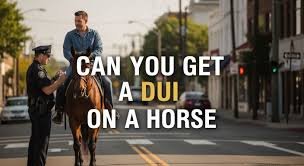
Horseback riding is a beloved pastime for many, but what happens when alcohol comes into the mix? You might be wondering: can you get a DUI on a horse? While most people associate DUIs with cars, the law can sometimes apply to non-motorized vehicles like bicycles and, in certain states, even horses. The answer depends heavily on local statutes, the legal definition of “vehicle,” and how authorities interpret public safety risks. Let’s dive into what the law says and what consequences you could face.
Can You Get a DUI on a Horse
In the United States, DUI laws vary from state to state, but a common thread is that the law seeks to prevent intoxicated operation of vehicles in a way that endangers yourself or others. While horses aren’t motorized, some states classify them as vehicles in DUI statutes. This means riding a horse while intoxicated could technically result in a DUI charge.
How DUI Laws Apply to Horseback Riding
- Vehicle Definition: Many DUI statutes define a vehicle as “any device used for transportation,” which can sometimes include horses or other non-motorized transport.
- State Differences: Some states explicitly allow DUI charges for horseback riding, while others limit DUIs strictly to motorized vehicles.
- Legal Consequences: Depending on the jurisdiction, potential charges may include DUI, public intoxication, reckless endangerment, or even animal cruelty for putting the horse at risk.
Horse DUI Laws by State
The legal landscape for DUI on horseback is complex. Here’s a snapshot:
- Maryland: Riding a horse while intoxicated can lead to a DUI if it endangers public safety.
- Massachusetts: Non-motorized transport clauses in DUI laws may apply to horseback riders.
- Ohio: Some counties have prosecuted drunk riders under DUI statutes.
- Utah: DUI on horseback is possible under laws that define a vehicle broadly.
- North Carolina: Charges for intoxicated horseback riding usually depend on public safety risk and local law enforcement discretion.
In many states, even if DUI charges aren’t possible, riders can still face other legal consequences for riding drunk in public areas.
Types of Charges Besides DUI
Even if a state doesn’t classify a horse as a vehicle for DUI purposes, riding drunk can still have serious repercussions:
- Public Intoxication: Many jurisdictions consider riding a horse while intoxicated in public as public intoxication.
- Reckless Endangerment: An intoxicated rider can unintentionally harm themselves, others, or the horse.
- Animal Cruelty: Endangering a horse while under the influence can trigger animal protection laws.
- Misdemeanor Violations: Lesser offenses, such as unsafe riding or creating a hazard, may also apply.
Intent and Context: Why Some States Allow Horse DUIs
Some states include horses in DUI laws for public safety reasons:
- Broad vs Narrow DUI Statutes: Broad DUI statutes define “vehicle” as any means of transportation, including non-motorized methods.
- Historical Cases: Courts have occasionally upheld DUI charges on horseback where public safety was threatened.
- Legal Gray Areas: Even without explicit statutes, prosecutors may argue that riding drunk constitutes endangerment, enabling DUI charges in certain scenarios.
Horseback Intoxication Legal Consequences
The potential consequences of riding drunk on horseback vary:
- Fines and Penalties: Depending on the state, these can range from minor fines to court appearances and community service.
- Criminal Record: A DUI or other charges can appear on your criminal record, affecting insurance and employment.
- Civil Liability: If an accident occurs while intoxicated, riders could be held liable for damages to property or persons.
Behavior and Alternatives to Riding Drunk
Safety should always come first. Consider these alternatives:
- Avoid Alcohol Before Riding: The simplest way to stay safe and avoid legal trouble.
- Designated Rider or Transport: Use a sober friend or alternative transport for events where alcohol is consumed.
- Private Property Riding: While laws mainly apply in public spaces, private property still carries risk and liability.
- Alternative Transportation: Walking, bicycles, or golf carts can be safer and legally less complicated options.
Broader Legal Comparisons
Comparing horse DUI to other modes of transport helps understand the risks:
- Horse vs Car: Car DUIs carry heavier penalties, but horse DUIs can still be criminal offenses.
- Horse vs Bicycle: Some states prosecute drunk cyclists under DUI statutes; horses are sometimes treated similarly.
- Horse vs ATV or Moped: Non-motorized vehicles like horses, bicycles, or mopeds can fall under DUI laws depending on the jurisdiction.
- Civil vs Criminal Liability: Even if criminal DUI isn’t possible, civil liability for accidents or harm caused by drunk horseback riding can still apply.
Perfect! Let’s continue by expanding the article with real-world examples, case references, and detailed state-specific nuances, keeping it natural, SEO-optimized, and fully human in tone.
Real-Life Examples of Horse DUI Cases
Several real-life incidents demonstrate how seriously authorities can treat horseback DUI, even if it seems unusual. For example:
- Massachusetts Case: In one reported case, a rider was charged with DUI after riding a horse while visibly intoxicated on a public street. Although the horse is non-motorized, the court ruled that public safety risk justified the charge.
- Ohio Example: County sheriffs have occasionally prosecuted drunk horseback riders under local DUI laws, emphasizing reckless behavior rather than the horse itself as a vehicle.
- Utah Incident: A rider attending a local festival faced misdemeanor charges after riding a horse while intoxicated on public grounds, highlighting the intersection of public events and DUI laws.
These cases emphasize that the law doesn’t just target cars, it targets unsafe operation of any transport that may endanger the public. Even if a horse seems harmless, riding drunk in public spaces is taken seriously.
State-Specific Rules and Nuances
Since laws vary, understanding state-specific rules is essential:
- Maryland: While Maryland’s law doesn’t explicitly mention horses, prosecutors have the discretion to file DUI charges if a rider’s behavior endangers others. Public intoxication charges are also common.
- North Carolina: Local law enforcement focuses on safety hazards; public intoxication, reckless riding, or creating a hazard are more likely charges than DUI.
- Massachusetts: Broad definitions of “vehicle” include any transport device, giving prosecutors a path to charge horse riders under DUI statutes.
- Ohio: County-level variations mean that in some areas DUI on horseback is possible, while others limit DUI to motor vehicles.
- Utah: Utah law allows DUI on horses when public safety is threatened, often combined with other misdemeanor charges like disorderly conduct.
Including state-specific examples ensures readers know the real risk in their region and can make informed choices.
How DUI Laws Define a Horse
A key factor in whether you can get a DUI on horseback is how “vehicle” is legally defined:
- Broad DUI Statutes: Some states define a vehicle as “any device used to transport people or property,” which can include horses, bicycles, or other non-motorized transport.
- Narrow DUI Statutes: Other states limit DUIs to motorized vehicles only, meaning a horse would not qualify.
- Non-Motorized Transport DUI: Where statutes apply, the emphasis is on operator control and public safety, not horsepower. Riding drunk, even slowly, can still endanger yourself or pedestrians.
Legal interpretations vary, so it’s wise to understand both statutory language and how local courts apply it in practice.
Risks of Riding a Horse While Intoxicated
Even if a DUI isn’t technically possible, there are multiple safety and legal risks to consider:
- Personal Injury: Alcohol impairs balance and judgment, increasing the likelihood of falls and injury.
- Horse Injury: Riding drunk can frighten the horse or cause accidents, potentially violating animal protection laws.
- Public Safety: Sidewalks, streets, and crowded areas are dangerous when a rider is impaired, risking pedestrian or vehicular accidents.
- Civil Liability: Even without criminal charges, a drunk rider causing property damage or injury can be sued for damages.
These points reinforce that riding responsibly is not just a legal matter, it’s about safety for both rider and horse.
Alternatives to Avoid DUI Charges or Legal Trouble
For those who enjoy horseback riding and also want to enjoy social drinking responsibly, several alternatives reduce risk:
- Avoid Alcohol Before Riding: The simplest method is to abstain while mounted.
- Designated Rider or Escort: Have a sober friend lead your horse or provide transport after drinking.
- Private Riding Areas: Riding on private property may limit public exposure but doesn’t eliminate liability if accidents occur.
- Other Transportation Options: Walking, using a bicycle, or a golf cart may be safer ways to enjoy your evening without risking DUI or public intoxication charges.
Implementing these alternatives demonstrates responsible behavior while keeping the fun of horseback riding intact.
Comparing Horse DUI to Other DUI Types
Understanding horse DUI becomes easier when compared to other transportation modes:
- Horse vs Car: Car DUI carries stricter penalties due to higher speed and risk, but horse DUI can still result in fines or criminal records.
- Horse vs Bicycle: Some states classify bicycles as vehicles for DUI purposes, making horse DUI potentially comparable.
- Horse vs ATVs or Mopeds: Non-motorized or low-powered transport devices are often included in broad DUI statutes, emphasizing safety over engine power.
- Civil vs Criminal Liability: Accidents caused while intoxicated, even on a horse, can lead to lawsuits or criminal charges for reckless endangerment.
By understanding these comparisons, riders can see why laws exist to protect both public and animal safety.