

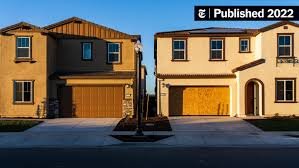
When the coronavirus pandemic hit, homebuilders faced a fast-moving crisis that affected every part of the business, from construction sites to sales offices, supply chains to customer service. Brookfield Residential was no exception. This article breaks down how Brookfield Residential responded to COVID-19, what buyers and homeowners experienced, which safety measures were adopted on sites and in communities, and practical guidance for anyone buying or living in a Brookfield community during the pandemic era. The goal is simple: give you clear, usable information without the corporate spin.
How the pandemic changed homebuilding, quickly and permanently
The first months of COVID-19 brought immediate disruption. Lockdowns and public-health orders forced in-person sales centers and model homes to close. Supply chains sputtered, materials like lumber, appliances and fixtures were delayed, and crews worked under new constraints. For a large builder like Brookfield Residential, that meant pivoting fast to protect employees, keep projects moving when possible, and support homebuyers who suddenly faced uncertainty.
Those early shocks led to two big shifts that still matter today:
- an accelerated move to digital tools for sales and closings, and
- practical changes in home design and community planning (more home offices, outdoor space and flexible layouts).
What Brookfield Residential changed on construction sites and in offices
Brookfield, like many builders, put health and continuity measures in place to reduce transmission risk and keep work progressing. The approach had two fronts: on-site safety and customer-facing changes.
On-site construction safety (typical measures)
- Mandatory face coverings and PPE for workers.
- Temperature screenings or health checks at site entry.
- Sanitizer stations and increased cleaning of common touchpoints.
- Staggered shifts and reduced crew sizes to allow social distancing.
- Modified site logistics to limit overlap of subcontractor teams.
Office and sales changes
- Virtual tours and 3D walkthroughs replaced many in-person visits.
- Remote consultations for design selections and upgrade choices.
- E-signatures and digital documentation to enable contactless transactions.
- Appointment-only visits to model homes, and limited access to shared amenities where required.
Those changes weren’t just temporary fixes, many became standard operating procedure because buyers liked the convenience and safety benefits.
Construction delays and supply-chain headaches: what buyers actually felt
Even with safety measures in place, several practical issues affected buyers:
Common buyer pain points during COVID
- Delayed build schedules and revised closing dates.
- Substitutions or postponement of upgrade items because of backordered materials.
- Local permitting or inspection delays tied to temporary public-sector slowdowns.
- Occasional price pressure on certain finishes when supply was tight.
Brookfield and similar builders handled these issues in different ways, increased communication, formal timeline updates, and flexible options for buyers on substitutions or delayed upgrades. In many cases the key to buyer satisfaction was transparency: frequent, honest updates about what was delayed and why.
The digital pivot: remote homebuying and contactless closings
One of the clearest, long-lasting outcomes of the pandemic was the rapid adoption of remote homebuying tools. Brookfield moved quickly to offer:
- Virtual showhomes and 3D tours so buyers could explore floorplans remotely.
- Online design sessions allowing buyers to choose finishes with a design consultant over video.
- Digital paperwork and e-signatures, speeding up the contract and closing processes.
- Contactless move-in procedures, including scheduled, staggered key handovers.
These tools reduced health risks and made buying easier for out-of-town customers, and many buyers now expect these options even after restrictions eased.
Customer support, payment flexibility and warranty handling
To reduce stress on buyers facing pandemic-related financial issues, builders adjusted policies and service approaches:
Buyer support and flexibility
- Where needed, options to defer move-in dates or delay closings.
- Coordination with lenders and partners to help buyers explore mortgage flexibility.
- Payment-plan discussions for customers who encountered temporary hardship.
Warranty and after-sales service changes
- Virtual troubleshooting for warranty issues before scheduling in-person visits.
- PPE and contact protocols for onsite service calls.
- Communication channels (phone, email, chat) expanded to handle increased customer questions.
These steps helped preserve a degree of normalcy for homeowners while reducing unnecessary in-person contact.
Community-level changes: amenities, events and shared spaces
In master-planned communities, managing shared amenities and resident interaction was a challenge. Brookfield communities implemented practical changes to reduce risk:
- Temporary closures or capacity limits on indoor amenities (gyms, pools) when required.
- Reservation systems for amenity use to limit crowding.
- Enhanced cleaning routines for common areas.
- Virtual or socially distanced community events and HOA meetings.
The aim was balancing amenity access with public health, keeping residents safe while preserving community value.
Workforce protection and employee support
Protecting construction crews and office staff was central to keeping projects moving. Measures typically included:
- Paid sick leave policies for COVID-positive employees to discourage presenteeism.
- Mental-health and well-being support for workers under stress.
- Options for remote work where job roles allowed.
- Training on new health procedures and PPE usage.
Prioritizing employee health helped maintain continuity of construction and customer service during waves of the virus.
How home design evolved because of COVID
Buyers’ needs changed quickly during lockdowns. Brookfield’s response reflected those trends:
- More flexible rooms that can serve as home offices, study nooks or guest rooms.
- Emphasis on outdoor spaces — patios, balconies, backyard living areas and community green spaces.
- Built-in tech and connectivity — stronger internet, home office-ready wiring and smarter home options.
- Storage and utility upgrades that support long-term work-from-home living.
These tweaks addressed immediate buyer demand and seem likely to inform new builds going forward.
Regional variation: local rules shaped site responses
It’s important to note that Brookfield’s pandemic procedures varied by jurisdiction. Local public-health orders determined what could remain open, how crews worked, and when sites had to pause. That meant buyer experiences could differ significantly depending on the project’s province or state.
Practical buyer guidance, what to ask and confirm now
If you’re buying in a Brookfield community today, here’s a concise checklist to protect your timeline and expectations:
- Confirm the current build timeline and any COVID-era contingency plans in writing. Ask how delays will be communicated and documented.
- Request the policy on material substitutions: what qualifies as a substitute and who approves it.
- Ask about virtual options: remote design sessions, virtual tours, e-closing availability.
- Clarify warranty and service protocols: virtual diagnostics, expected response times, and on-site PPE rules.
- Check move-in and amenity rules for the community, reservation systems, cleaning schedules, and capacity limits.
- Document everything: keep emails, revised schedules, and written agreements so you have a clear record if disputes arise.
Negotiating reasonable flexibility into contracts, for both schedule and materials, is a practical move in a post-pandemic supply environment.
Lessons the pandemic left for homebuyers and builders
The coronavirus period forced builders to modernize fast. The lasting takeaways include:
- Digital sales and remote tools are here to stay. Buyers now expect virtual tours and flexible closing options.
- Supply-chain resilience matters. Builders are diversifying suppliers and rethinking inventory planning.
- Design priorities shifted. Buyers want space, connectivity and outdoor living, and builders are adapting floorplans to reflect that.
- Communication wins trust. Frequent, transparent updates reduce buyer stress during delays.
These changes make the home-buying process more flexible, and ideally more resilient to future disruptions.
Common buyer concerns answered (quickly)
Did Brookfield Residential pause construction during COVID-19?
Some projects paused when local regulations required shutdowns, while others operated at reduced capacity with strict safety protocols. The situation depended on local public-health orders and site conditions.
Could I do a virtual tour or remote closing?
Yes. Virtual tours, online design appointments, and e-signatures became widely available options during the pandemic and remain common.
Did Brookfield offer financial help or payment flexibility?
In many cases builders worked with lenders or offered timing flexibility; options varied by region and buyer circumstances. Always discuss financing options early and ask for written confirmations.
How were workers protected?
Protocols like PPE, staggered shifts, health screenings and enhanced sanitization were routinely used to reduce risk on sites.
What this means for current and future buyers
If you’re thinking about buying now or waiting on a current build, consider these practical points:
- Expect digital tools for tours and paperwork, they make the process more convenient.
- Build timelines are generally more realistic if they include contingency buffers for supply delays.
- Prioritize homes and communities that offer the features you now value most: home offices, reliable connectivity, and outdoor space.
- Ask for clear, written commitments on upgrades and substitutions so you’re protected if supply issues arise.
Closing practical steps (what you can do today)
- Check your online buyer portal or contact your sales rep for the latest schedule and community rules.
- If you’re about to sign, request a COVID-era addendum covering timelines, substitution policies, and digital closing options.
- If you’re already in a home and need service, ask for a virtual diagnostics session to reduce in-person visits.
How Brookfield Residential strengthened community relationships during the pandemic
One of the most overlooked aspects of the Brookfield Residential coronavirus response was the community-building effort that continued even when in-person gatherings weren’t possible. Instead of pausing resident engagement, Brookfield leaned on digital events, socially distanced outdoor activities and creative communication initiatives to keep neighborhoods feeling connected.
Examples of community-focused adjustments included:
- Virtual resident meetups and HOA updates through livestreams.
- Outdoor fitness classes with spacing markers.
- Online contests, photo challenges and neighborhood celebrations.
- Digital newsletters containing safety updates, local support resources and pandemic tips.
These efforts weren’t just feel-good add-ons, they helped residents stay informed, supported and connected through a highly uncertain period.
Brookfield Residential’s communication strategy during COVID-19
Clear, ongoing communication became one of the most important expectations among homebuyers. Brookfield Residential adopted a more proactive approach by issuing updates on build progression, revised safety protocols and amenity restrictions as needed.
What communication looked like during COVID:
- Regular email updates addressing local coronavirus rules and how they affected construction.
- Transparent explanations of delays, shortages or timeline changes.
- Dedicated customer support contacts for pandemic-related concerns.
- Online community portals that allowed residents to track construction milestones or submit service requests safely.
Buyers appreciated this shift toward transparency, and the emphasis on proactive communication has remained a core part of Brookfield’s post-pandemic service structure.
The role of digital marketing and buyer education during the pandemic
As in-person interactions disappeared, Brookfield Residential expanded digital marketing tools to help buyers make informed decisions from home. This included rich content showcasing communities, amenities and floorplans.
Key digital enhancements included:
- High-resolution video walk-throughs of model homes.
- Interactive community maps showing parks, trails and amenities.
- Online mortgage calculators, payment illustrations and financing guidance.
- Buyer education resources on safety protocols, virtual processes and construction timelines.
This shift improved accessibility for long-distance buyers and first-time homebuyers seeking simple, self-guided exploration.
Pandemic-driven boosts in suburban demand and what it meant for Brookfield Residential
COVID-19 caused a massive migration from dense urban centers to suburban and master-planned communities — the exact type of neighborhoods Brookfield often develops. As remote work expanded, buyers prioritized larger floorplans, outdoor areas and quieter environments.
This contributed to high demand for:
- Single-family detached homes.
- Townhomes with private outdoor spaces.
- Communities offering walking trails, open spaces and parks.
Brookfield Residential communities saw surges in interest from buyers seeking long-term comfort and lifestyle stability, which helped some markets remain strong despite broader economic uncertainty.
Challenges Brookfield Residential faced behind the scenes
Although Brookfield adapted quickly, the company faced challenges that mirrored the entire industry’s hurdles.
Behind-the-scenes difficulties included:
- Unpredictable pricing for lumber, steel, windows and essential building materials.
- Labor shortages when workers needed to isolate or care for family members.
- Shipping delays tied to international supply disruptions.
- Increased demand that strained availability of popular floorplans and lots.
Despite these constraints, continued transparency with buyers helped manage expectations and build trust during an unstable period.
The post-pandemic landscape: What has permanently changed?
Even as COVID-19 restrictions eased, the lessons and improvements from Brookfield Residential’s pandemic response didn’t simply disappear. Several elements have become long-term practices.
Permanent shifts that remain part of Brookfield’s approach
- Virtual homebuying as a standard option
Remote tours, video walkthroughs and digital closings are now built-in features of the buying process. - Health-conscious community planning
More green spaces, walking paths and outdoor amenities were prioritized after witnessing how valuable they were during lockdowns. - Flexible interior layouts
Home offices, hybrid spaces and adaptable layouts remain strong buyer priorities. - Distributed construction schedules
Builders now plan more conservative construction timelines and supply buffers to avoid severe delays. - Expanded customer communication
Regular updates and digital infrastructure for communication have become expected, not optional.
How Brookfield Residential’s pandemic response influences today’s buyers
If you’re buying a Brookfield home today, the improvements from the COVID era play in your favor. The process is more digital, more flexible and more buyer-friendly than before 2020.
Today’s buyers benefit through:
- Convenient online viewing options.
- Streamlined paperwork and digital closings.
- More realistic build timeline communication.
- Smarter home designs crafted with real-world needs in mind.
- Better-protected construction sites, contributing to continuity and worker safety.
Even though the global crisis was challenging, the industry’s modernization is now improving the homebuying experience.
What potential buyers should ask based on pandemic-era lessons
For anyone preparing to purchase a home with Brookfield Residential, consider these forward-looking questions:
- “Does this community offer flexible spaces for working or studying at home?”
- “What digital tools can I use during the buying process?”
- “How does Brookfield handle supply-chain issues today?”
- “What’s the revised protocol for delays or material changes?”
- “Is remote viewing available if I’m relocating from another city?”
- “How accessible is customer support if I need quick updates?”
These practical questions help ensure you get clarity early, something Brookfield prioritized more effectively after seeing how valuable transparency was during COVID-19.
Positive outcomes that emerged from difficult circumstances
While the pandemic brought widespread disruption, it also accelerated positive changes across the homebuilding industry, including for Brookfield Residential. Increased technology, stronger focus on customer convenience and healthier community planning became lasting improvements.
And for homebuyers, the experience is now shaped by:
- greater flexibility,
- clearer communication,
- more modern design choices, and
- an easier, more digital-friendly buying process.