

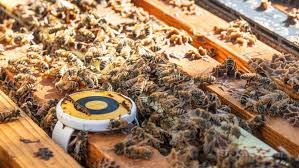
In a world where beekeeping has long been tied to hives, smokers and sticky honeycombs, a new shift is quietly buzzing through the apiary industry: Beekeeper 2.0. It’s not just about a new generation of gear, it’s about a fundamentally different way of thinking. Instead of simply opening a hive box, lighting a smoker and hoping for the best, modern beekeepers are embracing smart beekeeping, precision beekeeping, and a mindset of sustainable hive management. If you’ve ever walked through wildflower fields, watched bees flit into their hive, or felt the weight of a supers box full of honey, you’ll know how meaningful this transition can be, for both the bees and the beekeeper.
With digital apiary tools, hive monitoring systems, and hive sensor technology becoming more accessible, even small-scale beekeepers can step into a version of apiculture that blends tradition with tech. Whether you’re working a backyard hobby hive or managing multiple apiaries, modern hive management under the Beekeeper 2.0 banner offers paths that are more efficient, more eco-friendly and kinder to the bees themselves.
Why the buzz is changing – from classic to 2.0
Traditional beekeeping often conjures images of a beekeeper in full suit, a smoker puffing aromatic smoke, hive boxes stacked high and the rhythmic rap-rap of frames being pulled. This method has served beekeepers for generations, but as threats like colony collapse, varroa mites and climate stress mount, many practitioners are looking for upgrades.
Enter Beekeeper 2.0. This isn’t about discarding the old ways, it’s about enhancing them with innovative beekeeping technology, remote beehive tracking, and systems designed with bee-friendly hive design in mind. Imagine a hive that speaks to you: weight sensors feeding you real-time data, acoustic monitors detecting when the colony is swarming, humidity sensors warning of damp brood nests. Welcome to the world of the smart beehive.
In this shift you’ll see the language of “digital apiary,” “automated hive management,” “hive data analytics,” and “bee-tech in apiculture.” The goal? Healthier colonies, better yields, and a more sustainable relationship between beekeeper, hive and environment. This is eco-friendly apiculture, and it’s fast becoming vital for beekeepers who want to stay ahead of emerging challenges.
What does smart beekeeping look like today?
Here’s what a thriving Beekeeper 2.0 approach can entail:
- Hive monitoring system / hive sensor technology: Tiny sensors in the hive track temperature, humidity, weight and even acoustic patterns. These data points can flag when a hive is stressed, when brood cycles change, or when something unusual is happening.
- IoT beehive monitoring / digital apiary: Thanks to connected devices and internet of things setups, you might check hive conditions from your phone rather than needing to physically inspect each frame.
- Hive data analytics / precision beekeeping: Data isn’t just collected for fun, it’s analysed. Over time, patterns emerge, letting you optimize harvest times, monitor colony health, and reduce risks.
- Automated hive management / remote beehive tracking: With the right tools, some routine tasks can be automated or monitored remotely, feeding alerts, temperature control, or tracking hive movement in mobile operations.
- Bee-tech in apiculture / innovative beekeeping technology: Everything from specially designed hive bodies to remote cameras to tracking apps fall under this umbrella. In short: making the hive smarter while treating the bees more gently.
This isn’t a gadget-fest for the sake of it, it aligns with the core principles of sustainable beekeeping and sustainable hive management. When bees are healthier, when disturbances are fewer, when operations are more responsive, everyone benefits: bees, environment and beekeeper alike.
Benefits of the “2.0” approach for beekeepers and bees
Why adopt Beekeeper 2.0? Here are some of the biggest advantages:
- Early detection of issues: A hive sensor might pick up abnormal humidity or temperature long before you see dew on comb or suspect brood problems. That means faster intervention.
- Less disturbance: Instead of frequent frame pokes and inspections, much of your monitoring can be remote, reducing stress for the colony and the beekeeper.
- Better productivity: Healthier colonies with optimal conditions often produce more honey, build stores faster and survive better through lean periods.
- Improved bee welfare: A hive designed with bee-friendly hive design and monitored for welfare metrics promotes longer-term stability.
- Data-driven decisions: Instead of relying purely on experience or gut feel, you have hive data analytics in your corner, tracking hive performance, comparing sites, evaluating forage and honey yields.
- Environmental responsibility: This kind of tech can support environmentally responsible beekeeping by optimizing inputs, reducing waste, and aligning with concepts of eco-friendly apiculture.
In short: Beekeeper 2.0 gives you the tools to do more with less guesswork, and the bees benefit from better conditions and respectful management.
Practical steps to upgrade your apiary to Beekeeper 2.0
Ready to upgrade? Here are practical, accessible steps to bring your apiary into the modern era:
- Audit your current setup: Look at your hive boxes, location, bee strain, forage availability, environmental stressors. What’s working? What isn’t?
- Invest in a hive monitoring system: Start with basic sensors (temperature, humidity, weight) and build from there.
- Adopt digital apiary tools / apiary management software: Choose software or apps that let you capture hive data over time and analyze trends.
- Design hive environment for bee-friendly hive design: Ensure good forage access, water source, shade, minimal disturbance, easy inspection.
- Apply modern apiary techniques: Split hives based on data, anticipate seasonal changes, monitor pest pressures proactively.
- Utilise automated hive management where possible: Feeders with sensors, remote alerts, hive relocation tracking for mobile apiaries.
- Commit to precision beekeeping and advanced apiculture methods: Educate yourself, attend webinars, keep tabs on research in bee welfare management, digital hive monitoring, high-tech apiary.
- Focus on sustainability: Think months and years ahead. Healthy bees = stronger environment = resilient operation.
You don’t need to adopt everything at once. Even small tweaks, like adding a weight gauge or using an app to log inspections, can move you into the Beekeeper 2.0 mindset. It’s about evolution, not revolution.
Challenges and things to watch out for
Of course, no upgrade path is without its hurdles. Here are some things to keep in mind:
- Cost & accessibility: Sensors, connectivity and software can add up—especially for hobbyists or beekeepers in remote regions.
- Data overload: Just collecting data doesn’t help unless you interpret and act on it. Without good hive data analytics, the tech can feel overwhelming.
- Integration & standardisation: Many systems exist, but they may not talk to each other or be designed for your local conditions. Smart apiary solutions are evolving rapidl, but not all may suit your environment.
- Power & connectivity: Remote hives especially may have issues with battery life, solar power, signal strength, this matters when you set up remote beehive tracking.
- Keeping the human touch: Technology support, but doesn’t replace, the beekeeper’s judgement. Hives still need inspection, feel and intuition.
- Bee welfare must come first: It’s easy to focus on yield but forget the bees. The ethos of bee-welfare management and environmentally responsible beekeeping must stay front and center.
- Regional variations: What works in one climate may fail in another. Be sceptical of one-size-fits-all claims for “futuristic beekeeping”.
Despite these caveats, the advantages of moving toward Beekeeper 2.0 are real, and for many apiaries, they’re game-changing.
The science behind Beekeeper 2.0
The evolution toward smart beekeeping isn’t just about cool gadgets, it’s rooted in research. Academic studies and agricultural reports from sources like MDPI and Agrofor.ues.rs.ba highlight how sensor-based hive management can revolutionize colony health monitoring.
For instance, temperature and sound sensors can identify when a queen stops laying eggs or when a colony prepares to swarm. Precision beekeeping combines biology, data science, and environmental analysis to make hive decisions based on evidence rather than instinct. This aligns perfectly with the Beekeeper 2.0 approach: merging scientific understanding with practical field application.
A high-tech apiary doesn’t have to look futuristic, it can simply mean having a set of smart tools that enhance observation. A beekeeper using acoustic sensors or IoT weight scales is essentially practicing data-driven stewardship of nature.
A look into sustainable beekeeping practices
Sustainable beekeeping lies at the heart of Beekeeper 2.0. Technology becomes a tool to preserve bees rather than exploit them. The guiding idea is simple: when bees thrive, so does the planet.
Key elements of sustainable hive management include:
- Maintaining hive density appropriate to local forage capacity.
- Using eco-friendly apiculture materials—non-toxic paints, recycled wood, and bee-safe insulation.
- Encouraging bee-friendly hive design, where ventilation, moisture control, and minimal plastic use create a healthier environment.
- Avoiding chemical overuse by using data-based pest management alerts from hive monitoring systems.
- Protecting forage zones and biodiversity through partnerships with local farmers.
This kind of environmentally responsible beekeeping supports pollination networks, encourages crop diversity, and keeps hives productive for years. Modern apiary techniques under Beekeeper 2.0 emphasize long-term ecological balance over short-term honey yields.
The rise of next-gen beekeepers
A new wave of next-gen beekeepers is emerging, people who see bees not only as honey producers but as environmental partners. These beekeepers are tech-savvy, sustainability-minded, and community-driven. Many manage digital apiaries, connecting hundreds of hives across wide regions through the cloud.
What sets this generation apart is their willingness to experiment with automated hive management, IoT beehive monitoring, and hive data analytics. They use platforms like Smart Apiary AI to gather real-time insights into temperature trends, honey flow, and colony activity.
But they’re also grounded in the roots of traditional beekeeping, understanding local forage, weather patterns, and seasonal cycles. That’s what makes Beekeeper 2.0 powerful: it doesn’t abandon the past, it evolves it.
Beekeeping innovation and collaboration
Beekeeping innovation doesn’t happen in isolation. Around the world, researchers, engineers, and apiarists are working together to design solutions that make beekeeping smarter and more humane. From universities to tech startups, everyone’s contributing something unique:
- Sensor manufacturers developing smaller, more accurate hive probes.
- Software engineers creating apiary management software that integrates weather data, hive health, and predictive analytics.
- Sustainability organizations such as Agricology promoting eco-friendly apiculture techniques that reduce waste.
- Local co-ops and honey associations teaching small-scale beekeepers how to use digital hive monitoring tools effectively.
This collaboration reflects the real-world mission of Beekeeper 2.0, to create a network of informed beekeepers working toward shared environmental goals. Each smart hive becomes a node in a larger ecosystem of data, innovation, and conservation.
When technology meets instinct
There’s still an art to beekeeping that no sensor can replicate. You can measure sound frequency or humidity levels, but the hum of a healthy colony or the scent of nectar-laden comb can’t be fully quantified. Beekeeping 2.0 thrives when data meets intuition.
Veteran beekeepers often say they can “feel” the hive’s mood. That instinct, combined with insights from hive sensor technology and hive data analytics, forms a complete picture of hive health. You might spot digital alerts about low humidity but confirm it through simple observation, how bees fan their wings at the entrance, how frames feel when lifted.
Technology empowers, but instinct refines. The best modern hive management practices rely on this balance. It’s the meeting point of science, craft, and empathy, the true hallmark of Beekeeper 2.0.
A glimpse into the future of beekeeping
Imagine futuristic beekeeping where every hive communicates seamlessly with your smartphone. A world where IoT beehive monitoring warns you before mites infest, or when nectar flow peaks so you harvest at the perfect time.
As connectivity spreads, hives might talk to weather satellites, alerting farmers of upcoming pollination shortages. Bee health data could feed into national agriculture databases, supporting conservation at a planetary scale. This is the promise of Beekeeper 2.0 and beyond.
And yet, even in this high-tech horizon, the core mission stays humble: to safeguard bees, nurture biodiversity, and ensure that honey keeps flowing for generations.
How entertainment mirrors reality, The Beekeeper 2 movie connection
Interestingly, the title Beekeeper 2.0 also echoes pop culture’s growing fascination with the “beekeeper” archetype. In cinema, Jason Statham’s “The Beekeeper 2”, directed by Timo Tjahjanto, continues the story of a mysterious ex-operative using the beekeeper code as both metaphor and disguise. According to production reports from The Knowledge Online and The Hollywood Reporter, filming began in the UK in 2025 with a projected release in 2026.
The film’s symbolism, discipline, order, unity, and defense of the hive, parallels what’s happening in real-world apiculture. The character of the beekeeper represents resilience and balance, values central to the Beekeeper 2.0 philosophy. While the movie dives into action and espionage, real beekeepers worldwide are quietly waging their own battle to protect their hives from threats like pesticides, habitat loss, and climate change.
This cultural crossover makes the term “Beekeeper 2.0” more than a label, it’s a reflection of how beekeeping has evolved in public imagination and in practice.
What Beekeeper 2.0 really stands for
To understand Beekeeper 2.0, think of it less as a title and more as a mindset. It represents:
- A fusion of innovation and responsibility.
- The rise of smart apiary solutions for real-time decision making.
- Commitment to sustainable hive management that puts bees first.
- A bridge between generations of beekeepers, those who know the hum of a hive by heart and those who read its pulse through data.
It’s an era defined not by how much honey is produced, but by how wisely we nurture the beings that make it possible. Beekeeping 2.0 stands as both a technological upgrade and an ethical call, to use every tool available to protect one of nature’s most vital pollinators.