
Food for the Passover is about much more than filling the table. It carries history, memory, symbolism, and family tradition all at once. During Passover, meals often become a way to retell the story of liberation, connect generations, and celebrate together through dishes that hold deep meaning. From the symbolic foods on the Seder plate to comforting holiday staples served throughout the week, every meal can reflect both tradition and warmth.
For many families, planning food for the Passover means balancing religious customs with practical cooking. Some people want a fully traditional menu with recipes passed down for decades. Others look for simpler, modern dishes that still respect the spirit of the holiday. Either way, the goal is the same: to create meals that feel meaningful, delicious, and appropriate for the occasion.
Passover food also stands apart because of its dietary rules. Since leavened grains are avoided, cooks often rely on ingredients like matzo, potatoes, eggs, vegetables, chicken, brisket, fish, nuts, and fruit. That limitation often leads to surprisingly creative meals. Rather than feeling restrictive, many families see Passover cooking as a special seasonal tradition with flavors that only come around once a year.
Why Food Matters So Much During Passover
The importance of food for the Passover comes from the holiday’s story and rituals. Passover commemorates the Israelites’ exodus from Egypt, and the foods served during the holiday help tell that story in a very physical, memorable way. Instead of simply hearing the history, people taste it, serve it, and pass it around the table.
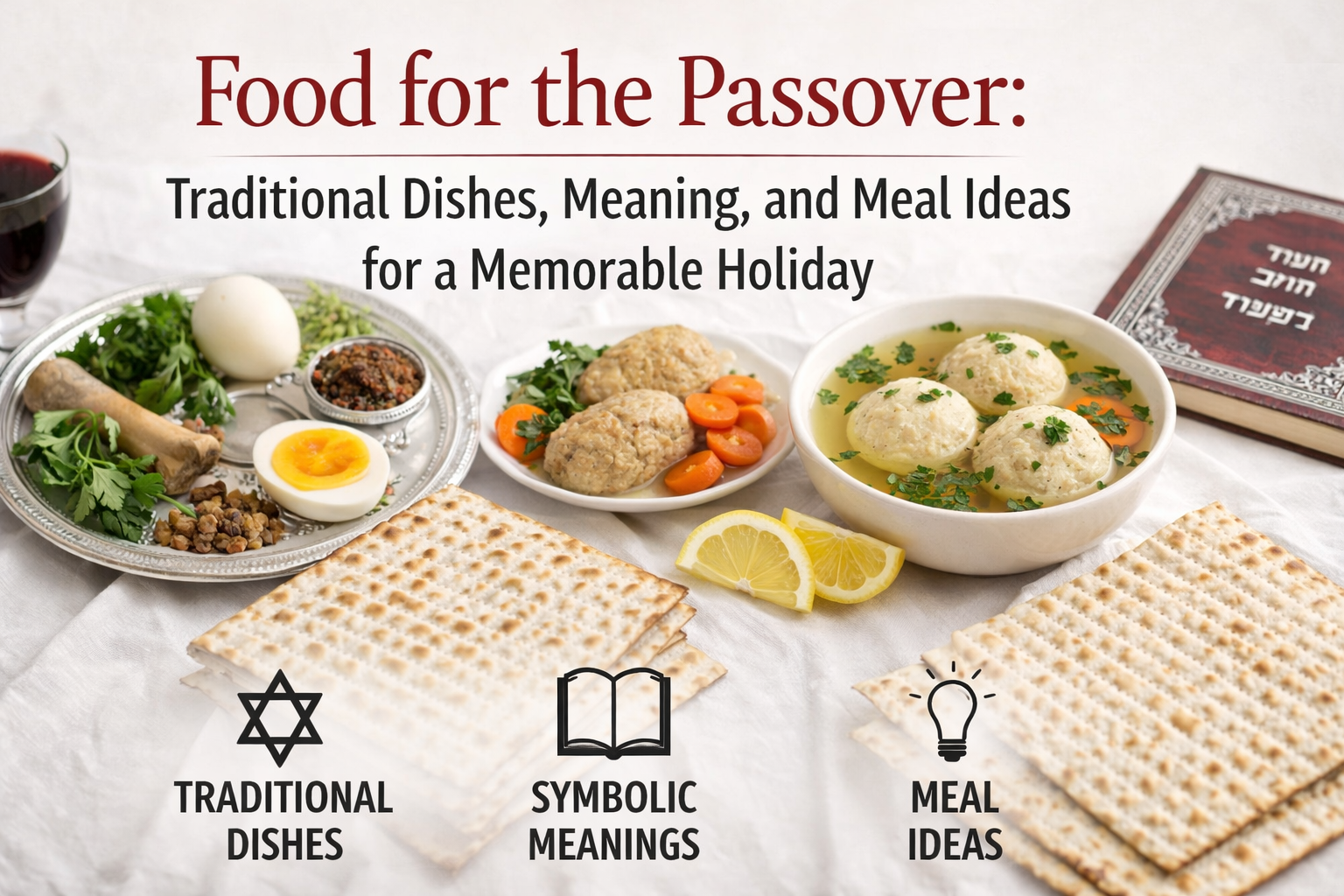
The best known meal of the holiday is the Passover Seder, when symbolic foods are eaten as part of the retelling. Bitter herbs represent the bitterness of slavery. Charoset, a sweet mixture often made with apples, nuts, cinnamon, and wine, symbolizes mortar. Matzo reflects the haste of departure, when there was no time for bread to rise. These foods bring abstract ideas into everyday experience.
This is why Passover meals feel different from ordinary dinners. They are tied to remembrance, gratitude, and identity. Even simple recipes can feel special because they are connected to family memory. A bowl of matzo ball soup or a slice of brisket may remind someone of grandparents, childhood Seders, or years of gathering around the same table with loved ones.
Traditional Food for the Passover Table
When people think about food for the Passover, a few classic dishes usually come to mind first. These foods vary by family background and cultural tradition, but certain staples appear again and again.
Matzo is at the center of the holiday. It is eaten during the Seder and throughout Passover, and it also becomes the base for many recipes. Some people enjoy it plain with spreads or toppings, while others use it in casseroles, kugels, or layered dishes.
Matzo ball soup is one of the most beloved Passover foods. Light or dense depending on family preference, matzo balls made from matzo meal, eggs, fat, and seasoning are usually served in chicken broth. It is comforting, familiar, and often one of the most anticipated parts of the meal.
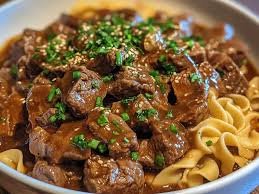
Brisket is another classic Passover main dish in many homes. Slow-cooked until tender, it is often prepared with onions, garlic, carrots, and a rich sauce. Because it can be made ahead and reheated well, brisket works especially well for a holiday gathering.
Gefilte fish also holds a place on many traditional tables, especially in Ashkenazi Jewish cuisine. While opinions on it can vary, it remains a recognizable and historic part of the Passover menu for many families.
Roasted chicken, potato kugel, tzimmes, roasted vegetables, chopped liver, hard-boiled eggs, and flourless cakes also appear frequently. Together, these dishes create a holiday table that feels abundant even within Passover restrictions.
The Symbolic Foods of the Seder Plate
No discussion of food for the Passover is complete without the Seder plate. Each item on the plate carries symbolic meaning and plays a role in the ritual meal.
Maror, often horseradish or another bitter herb, reminds participants of the bitterness of slavery. Its strong flavor gives the symbolism real emotional force. Charoset, by contrast, brings sweetness and texture to the plate. Though it symbolizes mortar, it also adds one of the most pleasant tastes of the evening.
A roasted bone, often called the zeroa, represents the Passover sacrifice. A roasted or hard-boiled egg symbolizes mourning, renewal, or the cycle of life depending on interpretation and family custom. Greens such as parsley or celery are dipped in salt water, representing both spring and tears.
Though the Seder plate contains only small portions, its meaning is enormous. It sets the tone for the meal and reminds everyone that Passover food is never only about appetite. It is about memory, ritual, and shared understanding.
Best Main Dishes for Passover Meals
Choosing the right main course is a big part of planning food for the Passover. Since the holiday often brings family and guests together, many people want a dish that feels hearty and festive.
Beef brisket remains a top choice because it is rich, flavorful, and suited to make-ahead cooking. It often tastes even better the next day, which makes holiday preparation much easier. A well-cooked brisket paired with carrots, onions, and potatoes feels both traditional and satisfying.
Roast chicken is another excellent option. It is simpler than brisket for some cooks and can be seasoned in many ways with garlic, lemon, herbs, or paprika. Chicken also pairs well with almost every classic Passover side dish.
Some families serve salmon or another fish dish for a lighter meal. Baked fish with fresh herbs, citrus, and olive oil can feel elegant without being complicated. In more modern Passover menus, stuffed vegetables, herb-roasted lamb, or braised short ribs may also appear, depending on family custom and cooking style.
The best main dishes for Passover are usually those that feed a group well, respect dietary guidelines, and still feel celebratory.
Popular Side Dishes for Passover
Side dishes can make food for the Passover feel especially varied and colorful. Since bread and many grain-based dishes are off the menu, cooks often turn to potatoes, vegetables, eggs, and fruit for texture and balance.
Potato dishes are especially common. Potato kugel, roasted potatoes, mashed potatoes, and potato-based casseroles all work well during the holiday. Potatoes are filling, flexible, and familiar, which makes them a natural part of many Passover meals.
Vegetables also play an important role. Roasted carrots, green beans, asparagus, Brussels sprouts, and glazed root vegetables can brighten the table and balance heavier dishes like brisket. Tzimmes, often made with carrots and dried fruit, adds a sweet note that many families associate strongly with the holiday.
Salads can also work beautifully during Passover when made with fresh herbs, cucumbers, tomatoes, citrus, nuts, and simple dressings. They help lighten the meal and bring freshness to a table filled with cooked dishes.
Passover Desserts That Still Feel Special
Dessert during Passover requires some adjustment, but it does not have to feel limited. In fact, many of the best food for the Passover menus end with sweets that feel rich and festive.
Flourless chocolate cake is a favorite in many homes. Dense, intense, and elegant, it fits naturally into a Passover menu and feels like a true dessert rather than a substitute. Coconut macaroons are another holiday classic and can be made plain or dipped in chocolate.
Fruit-based desserts also work well. Baked apples, poached pears, berry compotes, and nut-based cakes can all bring sweetness to the table without relying on regular flour. Some families make sponge cake or matzo-based sweets, while others prefer simple platters of fruit, chocolate, and tea after a large meal.
A good Passover dessert should feel intentional, not like an afterthought. When done well, it rounds out the meal and gives the holiday table a generous finish.
Modern Ideas for Food for the Passover
Today, many families are rethinking food for the Passover in ways that still honor tradition. Some want lighter dishes, more vegetables, or recipes influenced by Sephardic, Mediterranean, or modern seasonal cooking.
Cauliflower dishes, herb-filled salads, roasted salmon, shakshuka-style eggs, almond-based baked goods, and vegetable-forward soups have all become more common on contemporary Passover menus. The holiday can be a chance to bring in new recipes while keeping the core traditions intact.
This mix of old and new often makes the meal feel more personal. A family might keep the symbolic Seder foods exactly the same every year, but add a fresh vegetable dish or a new dessert. That balance can help Passover meals feel both rooted and alive.
Tips for Planning a Passover Menu
Planning food for the Passover becomes much easier when the menu is built around a few reliable dishes. Start with the essentials, including the Seder plate items, one main course, two or three side dishes, soup, and dessert. From there, it is easier to decide what can be prepared in advance.
Make-ahead recipes are especially helpful. Brisket, soups, kugels, and many desserts can be prepared early, reducing stress on the day of the meal. It also helps to think about balance. A menu with one rich main dish, one fresh vegetable dish, one starch, and one sweet dessert often feels just right.
Passover meals do not need to be overly complicated to feel meaningful. Some of the most memorable holiday tables are built on a few well-loved recipes prepared with care.
FAQs
What foods are traditionally eaten during Passover?
Traditional Passover foods often include matzo, matzo ball soup, brisket, gefilte fish, roasted chicken, potato dishes, bitter herbs, charoset, eggs, and flourless desserts. The exact menu can vary depending on family tradition and cultural background.
Why is matzo important in food for the Passover?
Matzo is important because it represents the unleavened bread eaten during the hurried departure from Egypt. It is one of the most recognizable symbols of Passover and is eaten throughout the holiday.
Can you eat regular bread during Passover?
No, regular leavened bread is generally avoided during Passover. That is why many Passover meals use matzo, potatoes, vegetables, eggs, and other permitted ingredients instead of standard baked goods.
What is served on a Passover Seder plate?
A Seder plate usually includes maror, charoset, a roasted bone, an egg, greens such as parsley, and salt water used during the ritual meal. Each item carries symbolic meaning tied to the Passover story.
What are good main dishes for food for the Passover?
Popular main dishes include brisket, roast chicken, baked salmon, and sometimes lamb. These dishes are festive, filling, and work well with classic Passover sides.
Are desserts allowed during Passover?
Yes, desserts are absolutely part of Passover meals. Flourless chocolate cake, macaroons, fruit desserts, and nut-based cakes are all popular choices.
Can Passover food be modern as well as traditional?
Yes, many families combine traditional Passover dishes with modern recipes. As long as the food follows Passover dietary practices and respects the spirit of the holiday, there is plenty of room for creativity.