
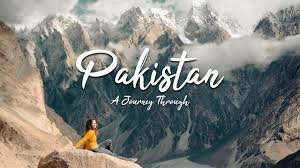
Northern Pakistan has the kind of scenery that changes the rhythm of a trip. Roads twist between rivers and bare cliffs, valleys open unexpectedly into green farmland and orchards, and then, almost without warning, the horizon fills with snow peaks.
It is a part of the country that invites movement. You do not just arrive, tick off a viewpoint and leave. You drive, stop, walk, look, stay longer than planned, then carry on.
That is why the north works best when you treat it as a journey rather than a single destination. Hunza and Skardu are the names that usually draw people in first, and rightly so, but the real appeal lies in the route between places, the changing landscapes, and the sense that every few hours the scenery rearranges itself completely.
A good trip here is rarely about rushing through a checklist. It is about giving the road enough room to become part of the experience.
For many travellers, that journey starts long before the mountains themselves. When planning flights to Pakistan, it helps to think about how much time you want to spend on the road afterwards, because the north is best enjoyed with a sensible pace rather than a tightly packed schedule.
If you build in enough days from the start, the trip feels expansive rather than exhausting.
Why northern Pakistan feels different
A lot of mountain regions around the world offer dramatic views, but northern Pakistan stands out because of its scale and texture.
This is not one neat alpine valley with a single base town. It is a wider, rougher, more varied landscape where rivers, glaciers, high passes, villages and open plains all play a part.
One day might be about turquoise water and suspension bridges, the next about dry mountain roads, cold desert scenery or a long walk above a valley floor.
There is also a strong road-trip quality to the region. Even travellers who come mainly for scenery often end up talking most about the drives: the long approach north, the feeling of climbing deeper into the Karakoram, the roadside tea stops, the changing light on the peaks, and the points where the road itself becomes as memorable as the viewpoint at the end.
Start with Hunza if you want a first northern Pakistan trip that flows easily
Hunza is often the easiest place to understand first, which is part of why it has become the region’s signature destination.
It blends dramatic mountain scenery with a relatively straightforward travel rhythm. Villages feel connected, the views arrive constantly, and you can structure your days without feeling like every outing is a logistical project.
Karimabad is usually the natural base. It gives you access to forts, viewpoints, cafés and short drives in different directions, while still allowing the mountains to dominate the experience. Hunza works particularly well for travellers who want a mixture of easy sightseeing and light adventure.
You can spend one day exploring old settlements and orchard-lined lanes, then another heading towards Attabad Lake, Passu and the upper valley.
What makes Hunza so appealing is the variety within a compact route. The mood changes as you move north. Around Karimabad, there is history, cultivated land and broad valley views.
Further on, the landscape becomes starker and more dramatic, with sharp rock faces, the famous Passu peaks and a more open sense of space. It feels like a road trip designed to keep getting better.
What to do in Hunza
Hunza suits travellers who like their scenery accessible. You do not need to disappear on a multi-day trek to get the payoff here. Some of the best experiences are built around short walks, drives and well-paced days.
Baltit and Altit give the valley cultural depth as well as mountain backdrop. They stop Hunza from feeling like scenery alone. Attabad Lake adds a different visual register entirely, with that startling bright water set against the hard edges of the surrounding rock.
Then, as you move towards Passu, the valley becomes more dramatic again, with bridges, viewpoints and roadside stops that make it hard not to keep pulling over.
For hikers, Hunza is a good introduction to walking in the north without committing to a full expedition-style trip. There are viewpoint hikes, village walks, ridge routes and day outings that let you feel the altitude and exposure without turning the entire holiday into a technical mountain challenge.
Skardu is broader, wilder and more spread out
If Hunza feels like a valley journey, Skardu feels more like a region of its own. The scenery is bigger, more open and, at times, harsher in tone. This is where lakes, wide plains, rock formations and long valley roads take over. It feels less tidy and more elemental, which is exactly why many travellers end up loving it.
Skardu is the better choice if you want a stronger sense of remoteness or a trip built more obviously around landscapes rather than village-to-village travel. It also works well for travellers who like having several different day trips from one main base. Instead of one valley unfolding in sequence, you get a cluster of striking places that each bring a different mood.
The town itself is usually more practical than romantic, but that hardly matters. The real appeal lies beyond it: lakes edged by mountains, cold desert scenery, old forts, side valleys and the routes that eventually lead towards some of the most famous high-mountain terrain in the world.
What to do in Skardu
Skardu rewards travellers who like structure but not over-planning. The region is best explored in loops and day trips, with each outing focused on one landscape or corridor rather than trying to cram too much into a single day.
Shigar is often one of the most satisfying extensions from Skardu because it adds architecture, settlement and a softer valley feel to the trip. Satpara and Upper Kachura bring water into the picture, while the wider Skardu plains and surrounding roads deliver the dry, high-altitude drama that makes the region feel so distinctive.
Then there is Deosai, which changes the tone again. Instead of narrow mountain roads and enclosed valleys, you get vast open uplands and a different kind of scale altogether. It is one of the places that makes a northern Pakistan itinerary feel more rounded, because it breaks the pattern and opens the landscape out.
For hikers, Skardu often feels like the point where a scenic road trip can become something more adventurous. Even without tackling major expeditions, the area suits travellers who want longer walks, bigger terrain and that sense of being close to much larger mountain systems.
Hunza or Skardu: which should come first?
If you are choosing one for a shorter first trip, Hunza is usually the easier entry point. It offers a strong combination of scenery, culture and manageable logistics, and it does not require quite as much tolerance for long travel days. It is also a good match for travellers who want scenic variety without feeling too far removed from cafés, guesthouses and walkable clusters of places to stay.
Skardu suits people who want the trip to feel more rugged and landscape-led. It often appeals to travellers who do not mind longer drives, wider distances between sights and a more dramatic, stripped-back visual style.
If you have enough time, the strongest answer is to do both. They complement each other rather than compete. Hunza gives you the classic valley road trip with iconic mountain views and historic villages. Skardu adds scale, open space and a rougher mountain atmosphere. Together, they make the north feel complete.
Beyond Hunza and Skardu
One of the pleasures of northern Pakistan is that the famous names are only part of the story. Once you begin looking at a map properly, the wider north starts to reveal itself as a network of possible detours and extensions.
Fairy Meadows draws travellers who want a more dramatic hiking-led stop and do not mind a slightly more adventurous approach. The road section alone gives it a different feel from the easier valley routes, and the walk in adds the sense that you have earned the landscape a little more.
Nagar offers a different angle on the wider Hunza area, with excellent mountain views and a slightly quieter tone. Khaplu works well as an eastern extension from the Skardu side, especially if you want more time in villages and valley scenery without feeling that the trip has become repetitive.
There are also smaller stops that matter precisely because they are not headline destinations. Villages, roadside cafés, short river walks, overlooked viewpoints and quieter overnight halts often become the moments that hold a trip together. Northern Pakistan is good at rewarding the stretch between the famous places.
How to structure a trip through the north
The biggest planning mistake is trying to do too much too quickly. On paper, Hunza, Skardu and several side regions can seem close enough to combine easily. In practice, the roads, distances and mountain conditions mean that every transfer has weight. A rushed itinerary often turns a beautiful trip into a series of long drives with no breathing room.
A better structure is to think in blocks.
A shorter trip works best by choosing one main region and exploring it properly. That might mean a Hunza-focused trip with time for Karimabad, Attabad, Passu and a few walking days, or a Skardu-focused route with day trips to nearby valleys, lakes and highland scenery.
With more time, combine Hunza and Skardu rather than trying to add every other famous place on top. This gives the trip two distinct chapters. Hunza provides the valley road-trip feel and cultural base. Skardu brings a broader, rougher second half with different landscapes and a stronger sense of open mountain country.
For a longer northern Pakistan journey, add one extension rather than several. That could be Fairy Meadows, Khaplu, Nagar or another valley that fits your preferred pace. The aim is not to “cover” the entire north. It is to let the trip breathe enough that each region feels properly experienced.
Road trip or hiking trip?
The best northern Pakistan itineraries usually sit somewhere between the two. Even travellers who arrive for hiking will spend a significant amount of time on the road, because this is how the region reveals itself. In the same way, travellers who think they are planning a pure road trip often end up wanting more walks once they see the terrain.
A road-led trip suits people who want constant scenery with manageable effort. You still get viewpoints, short walks and some excellent outdoor time, but the trip remains flexible and relatively accessible.
A hiking-led trip works better if you are happy to slow the route down and let certain places dominate the schedule. Instead of racing between valleys, you stay longer in fewer bases and use them properly. This often leads to a deeper trip, even if you technically “see” fewer places.
When the north feels at its best
The best travel window depends on what you want from the trip, but in general the northern season works best when roads are open, mountain weather is more stable and the valleys are fully active. Spring brings blossom and contrast, summer offers the easiest access to higher routes, and autumn has a clear, crisp appeal that suits road trips especially well.
The important thing is that mountain travel here is shaped by conditions, not just by calendar dates. A route that looks straightforward in one month can feel very different in another. That is another reason to avoid overloading the itinerary. Flexibility is not a luxury in the north. It is part of travelling well.
What kind of traveller northern Pakistan suits
This is a destination for people who enjoy journeys as much as arrivals. It suits travellers who do not mind long drives if the scenery delivers, who like mountains but do not need every day to be a hardcore trek, and who are happy to structure a trip around the shape of the land rather than the convenience of a timetable.
It is particularly rewarding for photographers, road trippers, hikers and travellers who prefer landscape-driven itineraries over city breaks.
It also suits people who can accept that some of the best travel days are the ones that remain a little loose: a morning drive, an unplanned stop, a river viewpoint, a slow lunch, then a final stretch of road with the mountains changing colour by the hour.
A simple way to get it right
If it is your first northern Pakistan trip, do less than you think. Pick Hunza and Skardu, or choose one and explore it properly. Stay long enough to settle into the landscape. Leave room for drives, walks and weather. Let the famous places anchor the journey, but do not underestimate the places in between.
That is usually when northern Pakistan works best. Not as a frantic list of landmarks, but as a mountain journey that keeps widening as you move through it.