

For businesses in many fields (such as construction, manufacturing, agriculture, and logistics, to name just a few), keeping yourself competitive very often means an upgrade to the latest technology to maintain the quality of your work. However, it’s also very often that those upgrades have a cost, enough that straining your working capital is a concern.
While finding a supplier for small loans (like Lamina) to get you through your day-to-day life when emergency strikes is one thing, finding the funds for a major purchase is another. Lucky, there are resources to assist you; namely, machinery loans. These specialized financial products allow companies to acquire essential assets without depleting cash reserves.
1. Understanding Machinery Loans
Like other loans for other purposes, a machinery loan is a type of commercial financing. As the name implies, it’s specifically designed to help businesses purchase the equipment they need to produce the items the business provides.
However, unlike a standard term loan (which might require personal property to serve as security against the loan), machinery loans are typically self-collateralizing, meaning the equipment itself serves as the collateral for the loan. If the borrower defaults, the lender can then seize the machinery to recover their funds. Because the loan is secured by the equipment, lenders are very likely to offer more favourable interest rates compared to unsecured lines of credit.
2. How the Process Works
A machinery loan is typically a straightforward process: a business identifies the equipment it needs and applies for financing to cover the purchase price. In many cases, lenders may finance up to 100% of the cost (which can be a boon if your funds don’t suffice to cover the cost), though take note that some such loans may require a down payment. The borrower then repays the principal plus interest over a fixed term; the term usually aligns with the useful life of the equipment to boot. This period often ranges from three to seven years. Once the final instalment is paid, the business owns the equipment free and clear.
3. Eligible Equipment Types
Machinery loans are a versatile transaction, and as such, cover a broad spectrum of business assets. While very often associated with heavy industrial gear, these loans actually finance a wide range of tools across many industries:
Construction: Excavators, bulldozers, cranes, and loaders.
Transportation: Commercial fleets, from delivery vans to long-haul trucks (measured in tonnes or cargo capacity in cubic metres).
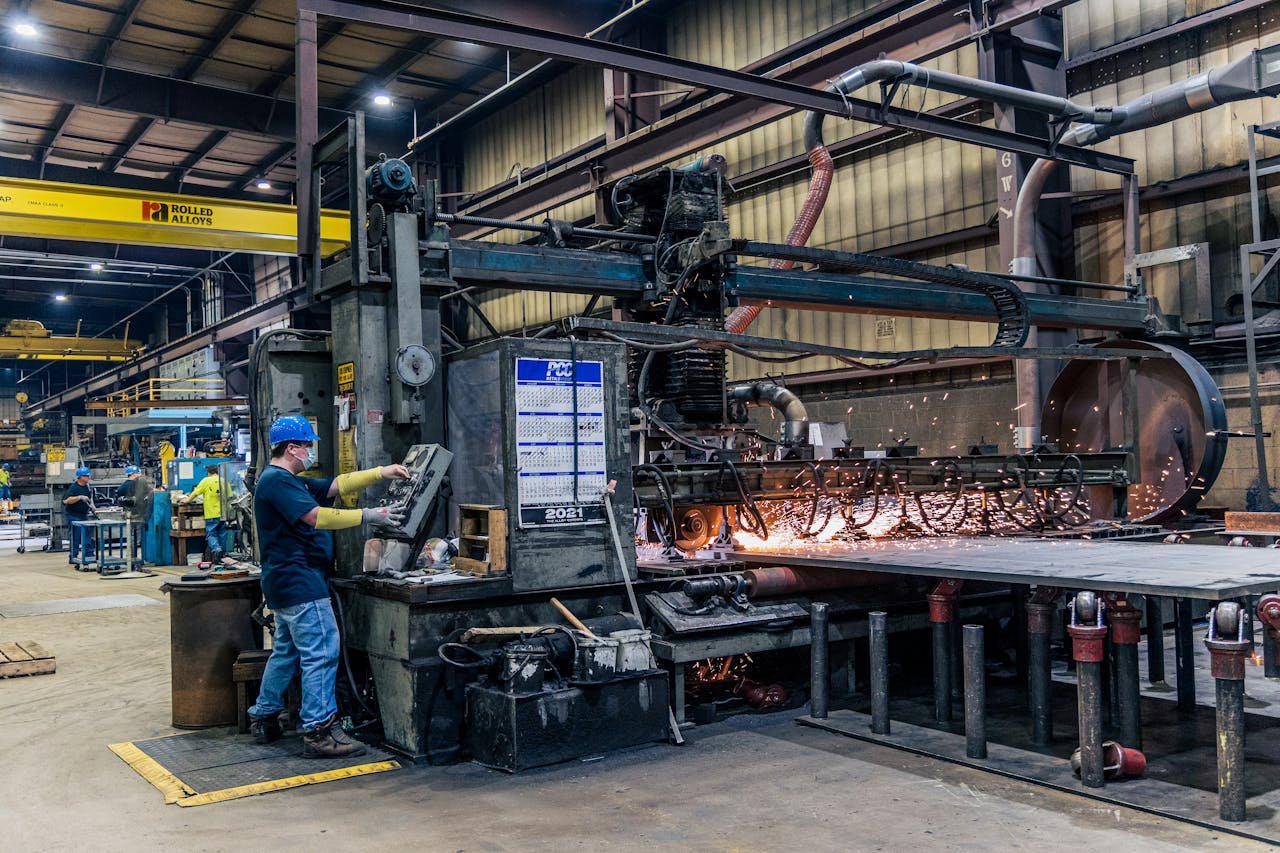
Manufacturing: CNC machines, assembly line robotics, and packaging systems.
Healthcare: Diagnostic imaging machines like MRI scanners and dental chairs.
Office Technology: While less industrial, high-value server racks and enterprise-grade computer systems can also be financed.
4. Strategic Benefits for Canadian Businesses
Financing equipment also offers several strategic advantages beyond simply acquiring a machine. As these benefits may be of value to your business, it pays to keep abreast of them just in case you can use them yourself.
Cash Flow Preservation: By spreading the cost over several years, businesses are able to retain their cash on hand for more immediate operational expenses (such as payroll, inventory, and rent), or for making more strategic moves (such as finding a Lincoln supplier for gas and welding equipment, for example).
Tax Efficiency: In Canada, businesses can often claim the interest paid on these loans as a tax-deductible business expense. Additionally, the equipment itself adds to the company’s Capital Cost Allowance (CCA), which allows for depreciation claims that can lower taxable income.
Ownership and Equity: Unlike leasing, where the asset is returned at the end of the term, a machinery loan leads to ownership of that asset. This builds the company’s balance sheet, as the fully paid-off equipment becomes a valuable asset that can be sold or used as collateral for future financing.
5. Loan Eligibility Criteria
Qualifying for a machinery loan generally very often requires a demonstration of financial stability. Lenders will typically review the credit score of the business owners and the commercial credit report of the company. They’re also on the lookout for a solid track record, often preferring businesses that have been operational for at least two years. Revenue consistency is the key element in this scenario. That consistency is a powerful indicator that the business can manage the monthly repayments. Finally, assessment also includes the equipment’s value and condition to ensure it is worth the amount being borrowed.
6. Loans vs. Leasing
A loan and a lease both involve borrowing, but that’s practically all they have in common; understanding the distinction between them is critical to understanding what you have on your hands. A loan is best suited for equipment that has a long lifespan and retains value over time. If a piece of machinery will still be functional and valuable in ten years, buying it through a loan is often the smarter financial move. Conversely, if the technology changes rapidly (like with IT hardware), leasing might be preferable to avoid ownership of gear that might quickly become obsolete.
Machinery loans ultimately provide a robust pathway for businesses to modernize operations without sacrificing liquidity. By leveraging the asset itself as collateral, companies gain ownership, build equity, and enjoy potential tax advantages. For organizations aiming for sustainable growth, this financing method remains a prudent strategy to manage capital effectively.