

Every time you pull into a petrol station, swipe your card, and watch the numbers rise on the digital fuel meter, you’re seeing the very end of a long and fascinating journey. That litre of petrol, often called petrol pump petrol, has travelled thousands of miles, undergone complex refining, strict quality testing, and careful transportation before it reaches your vehicle’s tank.
This article walks you through that journey step by step, showing how petrol is made, transported, stored, and delivered, and what really happens behind the scenes at every petrol pump.
What Is Petrol Pump Petrol and How Does It Work?
Simply put, petrol pump petrol is the refined fuel that powers millions of vehicles across the world. In the UK and most Commonwealth countries, we call it petrol, while in the US, the same product is known as gasoline.
A petrol pump, also called a fuel pump or gas station, is where this refined fuel is stored and sold. Each station has underground fuel tanks, a petrol dispensing machine, and digital fuel meters connected to nozzles that deliver precise amounts of petrol to each customer.
When you insert the nozzle into your car’s tank and pull the handle, the machine’s automatic petrol pump system starts the flow. A sensor detects when the tank is full and cuts off the supply automatically, preventing spills.
Modern petrol stations are equipped with smart petrol pump technology, which tracks the amount of fuel dispensed, monitors tank levels, and connects with POS systems for cashless payments.
The Refinery Stage: How Petrol Is Made
Before it reaches a petrol pump, petrol starts its life as crude oil, a thick, dark mixture of hydrocarbons extracted from the earth. The petrol refining process takes this raw material and turns it into usable fuel through several complex stages.
Fractional Distillation
Crude oil is heated in a distillation tower where it separates into different components based on boiling points. Petrol is extracted as one of the lighter fractions.
Reforming and Blending
The raw petrol is chemically modified to improve its octane rating, ensuring better engine performance and cleaner combustion. Additives are also mixed in to prevent engine knocking and improve fuel stability.
Quality Testing
Before leaving the refinery, every batch of fuel undergoes strict petrol purity checks and government petrol quality standards. These tests measure octane levels, detect contaminants, and ensure the petrol meets emission standards.
By the time the fuel leaves the refinery, it’s already one of the most carefully monitored products in the global market.
From Refinery to Road: The Petrol Transport Process
Once refined and certified, the fuel begins its long journey through the petrol supply chain. The process of refinery to petrol pump transport involves several major steps and safety protocols.
Pipelines and Storage Terminals
Much of the fuel first travels through petroleum pipeline transport, an efficient and secure method that moves millions of litres underground across vast distances. Pipelines feed into petrol terminals, where large storage tanks hold reserves before tanker trucks pick them up.
Tanker Trucks and Safety Protocols
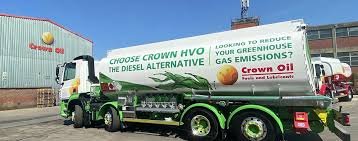
Next, petrol tankers, large vehicles equipped with reinforced, sealed compartments, carry the fuel to different petrol filling stations. These tankers follow fuel transportation safety regulations, including hazardous material handling and spill prevention measures.
Drivers are trained to manage emergencies, monitor pressure levels, and prevent contamination during delivery. Every transfer point is recorded and checked to ensure fuel quality control at pumps.
Technology in Transport
Today’s petrol logistics companies use GPS tracking and digital fuel management systems to monitor deliveries in real time. This ensures that fuel arrives at the right station, in the right quantity, without delays or losses.
How Petrol Is Stored and Delivered at Petrol Pumps
Once the tanker arrives at a petrol pump, the next stage begins: safe unloading and storage.
Underground Fuel Tanks
Each station has underground fuel tanks made of corrosion-resistant materials and equipped with sensors to monitor pressure, temperature, and volume. These tanks can hold thousands of litres of petrol and are designed to prevent leaks or vapour escape.
Petrol Loading and Unloading Process
The tanker’s hose connects securely to the pump’s inlet pipe. The fuel is transferred through gravity or pump pressure into the underground tanks. After delivery, samples are tested to confirm purity and consistency, a critical part of petrol pump quality control.
Vapour Recovery and Environmental Safety
To reduce emissions, modern stations use vapor recovery systems that capture petrol vapours during refuelling. This protects both the environment and the workers handling the fuel.
How Is Petrol Filled in a Petrol Pump?
When you pull up to the fuel pump, you’re engaging the final stage of a highly controlled system.
Dispensing Technology
The petrol dispensing machine uses an internal motor and fuel nozzle to draw petrol from the underground tank through a calibrated meter, ensuring exact delivery volumes. These meters are tested regularly through petrol calibration and measurement checks.
Pump Identification
In the UK, green nozzles are for petrol and black nozzles for diesel, a simple but crucial distinction. If you’ve ever wondered what pump to use for petrol, always look for the green handle or the label marked “Unleaded.”
Types of Petrol
You might also see options like regular petrol and premium petrol (often with higher octane ratings). Premium petrol can offer smoother performance and cleaner combustion, though it’s not necessary for every vehicle.
How to Pay for Petrol at the Pump
Modern stations make refuelling quick and secure with multiple payment options.
- Pay-at-pump terminals: Insert or tap your card, select the amount, and fill up — no need to visit the cashier.
- Contactless and mobile payments: Digital wallets like Apple Pay and Google Pay are accepted at most stations.
- Fuel cards: Fleet drivers often use cards from providers like FuelGenie, which allow businesses to track fuel spending.
Each POS system at the petrol station is linked to real-time transaction records, helping customers and owners manage payments safely.
What Is Today’s Petrol Price in the UK?
Petrol prices in the UK fluctuate daily and vary by region. According to national averages, prices are influenced by several major factors:
- Crude oil cost: The biggest driver of petrol prices.
- Refining and distribution costs: Including transport and quality assurance.
- Taxes: Duties and VAT make up a significant portion of the retail price.
- Retail margins: The profit retained by station owners and oil companies.
Tools like PetrolPrices.com and GoCompare help motorists check updated prices in their area. You might find that a petrol pump near you in London charges slightly more due to higher logistics and real estate costs compared to rural regions.
How Petrol Pump Businesses Operate
Running a petrol pump business is more complex than simply selling fuel. Each day involves managing supply, safety, and customer satisfaction while following government regulations.
Licensing and Investment
To operate a petrol filling station, owners must obtain specific petrol pump licenses and invest in approved infrastructure such as storage tanks, fire safety equipment, and POS systems.
Daily Operations
A station’s daily routine includes:
- Checking stock and tank levels
- Ensuring petrol pump safety measures
- Conducting petrol purity checks
- Managing employees and shift rotations
- Maintaining accurate sales and delivery logs
Profit and Pricing
Petrol pump owners typically earn profits through commissions and fuel sales margins, which can fluctuate based on national pricing and supplier contracts. Additional income comes from convenience stores or car wash services.
Safety and Regulation at Petrol Pumps
Handling petrol, a highly flammable liquid, requires strict safety rules and constant vigilance. Every petrol pump follows detailed government regulations to minimize the risk of fires, leaks, or environmental harm.
Fire Safety Measures
Each station is equipped with fire extinguishers, emergency shut-off switches, and spill containment systems. Employees receive fuel handling safety training to manage hazardous situations, from small leaks to accidental overflows.
Most modern stations also have automatic vapor detection systems that alert staff if petrol vapors reach unsafe concentrations. The vapor recovery system helps prevent these emissions from entering the air, protecting both workers and customers.
Environmental Protection
Environmental regulations govern everything from underground tank installation to fuel spill management. Stations are regularly inspected to ensure they comply with petrol storage rules and environmental guidelines designed to prevent soil or groundwater contamination.
Safety Equipment
Beyond extinguishers, petrol pumps maintain protective gear, anti-static mats, and hazard signs around fueling areas. Even the fuel nozzle design includes safety locks to prevent overfilling and unintentional discharge.
Petrol Quality Control: Keeping Your Fuel Pure
Quality control doesn’t stop at the refinery. Every step of the supply chain, from the pipeline to your car, is monitored through petrol purity checks and fuel testing methods.
Government Quality Standards
The government’s quality standards ensure petrol meets set benchmarks for octane rating, volatility, and chemical stability. Inspectors occasionally take random samples from petrol pumps to check compliance with regulations.
How Pumps Maintain Purity
Petrol stations use filtration systems to remove dust or moisture before fuel reaches your vehicle. Tanks are inspected regularly to prevent contamination from water or rust.
Fuel meters and nozzles also undergo petrol calibration and measurement tests, ensuring you get exactly what you pay for, down to the last millilitre.
Spotting Bad Petrol
Contaminated fuel can cause engine knocking, reduced mileage, or even damage to your engine. Watch for these warning signs:
- Unusual engine sounds
- Rough idling or misfiring
- Drop in performance after refuelling
If you suspect bad petrol, ask the station for their fuel testing report, reputable petrol pumps keep them on record as part of their compliance checks.
The Consumer Experience: Smart Refuelling and Common Tips
Refuelling might seem routine, but a few smart practices can make your visits to the petrol station more efficient, safe, and economical.
Best Time to Refuel
Experts often recommend refuelling early in the morning or late at night when temperatures are cooler. Fuel is denser at lower temperatures, meaning you get a slightly better volume for the same price.
How to Refill Petrol Properly
- Turn off your engine before refuelling.
- Don’t smoke or use a mobile phone near the pump.
- Insert the nozzle securely to avoid spills.
- Wait for the automatic stop; don’t “top off” your tank — it can trigger vapor recovery systems or cause overflow.
Avoiding Scams and Fuel Shortages
Most petrol pump scams involve tampered meters or adulterated fuel. Always:
- Choose reputed or branded stations.
- Check the digital meter before and after filling.
- Ask for printed receipts from the POS system.
In times of shortage, fuel distribution systems prioritize emergency services, public transport, and essential industries, ensuring critical sectors never run dry.
The Economics Behind Petrol Pump Operations
Petrol is more than a commodity, it’s an economic engine that keeps the world moving. Understanding how fuel pricing systems and petrol distribution work helps explain why costs fluctuate so often.
How Petrol Prices Are Decided
Fuel prices depend on several interconnected factors:
- Crude oil cost on the international market
- Exchange rates for USD vs. local currency
- Transportation and refining costs
- Government taxes and levies
- Retailer commissions and margins
Even a small shift in global crude prices can affect the amount you pay per litre at your local petrol filling station.
Impact on the Economy
Petrol is central to nearly every industry, from logistics to agriculture. Any rise in petrol pump petrol prices can increase costs for goods, travel, and manufacturing.
However, fuel efficiency innovations and green petrol technologies are helping balance consumption and reduce dependency on fossil fuels.
Environmental Impact and the Move Toward Cleaner Fuels
As the world pushes for sustainability, the petrol industry is evolving too. Eco-friendly fuel alternatives are becoming part of the mainstream conversation.
Reducing the Carbon Footprint
Petrol pumps now focus on reducing their carbon footprint by using energy-efficient lighting, solar power, and vapor recovery systems. Cleaner delivery trucks and optimized petrol logistics routes further reduce emissions.
Biofuels and Green Petrol
Some refineries are exploring bio-blended petrol, mixing renewable bio-components with traditional fuels to lower emissions. This movement aligns with the goal of renewable alternatives to petrol, such as ethanol or synthetic fuels.
The Future of Smart Petrol Pumps
Automation is transforming the industry. Automatic petrol pump systems can track real-time tank levels, detect leaks instantly, and report data to central servers. Customers can even monitor prices and fuel grades via mobile apps before arriving at a station.
Soon, smart petrol pump technology may integrate with electric vehicle chargers, combining petrol and EV services at one location, a perfect blend of past and future.
The Journey of Petrol: From Crude Oil to Your Vehicle
Let’s take one final look at the journey of petrol from refinery to pump, step by step:
- Extraction – Crude oil is drilled and transported to refineries.
- Refining – The oil undergoes fractional distillation and blending to produce petrol.
- Testing – Quality assurance ensures every batch meets government petrol quality standards.
- Transportation – The refined petrol travels via pipelines, tankers, or fuel trucks to regional terminals.
- Storage – Petrol terminals and underground tanks hold fuel until it’s needed.
- Delivery – Tanker trucks deliver fuel to petrol pumps, following safety and transport regulations.
- Dispensing – The petrol pump machine delivers fuel accurately into your vehicle’s tank.
- Consumption, Your car converts that energy into motion, completing the circle.
Each drop of fuel you buy represents a highly coordinated process involving engineers, chemists, logistics professionals, and retailers, all ensuring that when you lift the nozzle, petrol flows instantly and safely.
Key Takeaway
The next time you stop at a petrol station, remember: the petrol pump petrol you use isn’t just a product, it’s the result of global cooperation, cutting-edge science, and rigorous safety systems. From the refinery’s distillation towers to the underground tanks beneath your feet, every stage plays a crucial role in delivering reliable, high-quality fuel that keeps the world running.