

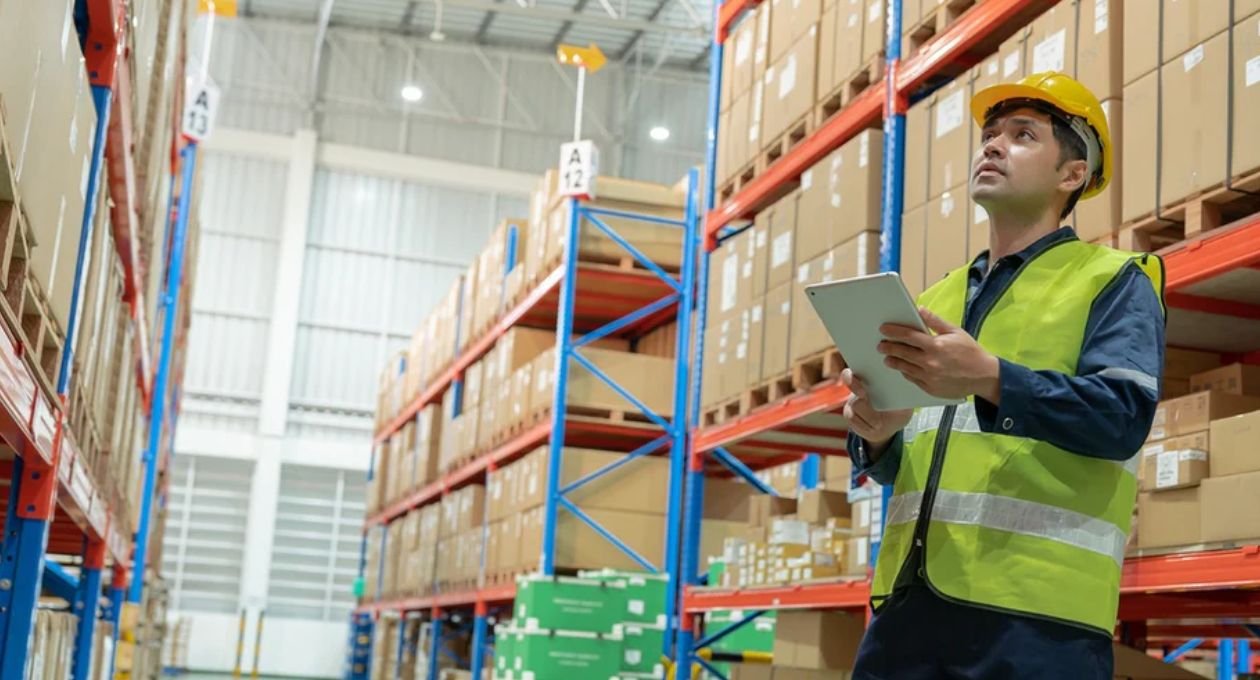
Modern warehouses are built around speed, accuracy, and efficiency. Inventory must be stored securely, accessed quickly, and moved without disruption. However, when pallet racking systems become damaged or unstable, operations can slow down significantly. Even minor structural issues can lead to restricted access, safety risks, and costly downtime.
This is why regular warehouse racking inspection is essential for maintaining smooth and uninterrupted warehouse operations.
Why Warehouse Racking Inspection Is Critical for Operations
A structured and routine warehouse racking inspection allows businesses to identify structural damage before it becomes a serious operational problem. Instead of reacting to emergencies, warehouse managers can plan maintenance strategically.
Key operational benefits include:
- Reduced unexpected downtime
- Improved racking stability and structural integrity
- Safer working environment
- Enhanced stock protection
- Clear and organised maintenance planning
By detecting issues early, businesses avoid sudden structural failures that can disrupt workflow and impact order fulfilment.
The Real Cost of Unplanned Warehouse Disruption
When a heavily loaded racking bay suddenly becomes unsafe, immediate action is required. Stock often needs to be relocated urgently, which consumes valuable labour hours and interrupts daily operations.
In more severe situations, entire warehouse sections may need to be offloaded while safety checks are conducted. This can delay shipments, disrupt supply chains, and negatively affect customer relationships.
Regular warehouse racking inspections significantly reduce the risk of unexpected shutdowns by identifying weaknesses before they escalate into operational emergencies.
Ensuring Load Capacity and Compliance
Every warehouse racking system is designed with specific load limits and structural tolerances. Over time, changes in inventory type, pallet configuration, or product weight may exceed these limits without management realising it.
A professional inspection verifies that:
- Beam levels align with current load requirements
- Upright frames remain within safe tolerance levels
- Floor anchors are secure and stable
- Load signage accurately reflects actual usage
Correcting discrepancies early prevents dangerous structural stress and ensures compliance with safety regulations.
Strengthening Workplace Safety Culture
Routine inspections demonstrate a company’s commitment to safety. When employees see that structural checks are taken seriously, they are more likely to report damage and follow safe operating procedures.
Forklift operators become more attentive to potential impact risks. Supervisors monitor racking condition more closely. Open communication reduces the chance of hidden or ignored structural issues.
A proactive safety culture improves both operational stability and long-term productivity.
Identifying Operational and Training Gaps
Inspection reports often reveal patterns of repeated damage in specific areas, such as aisle corners or loading zones. These trends may indicate insufficient forklift training or inefficient warehouse layout design.
Addressing these root causes helps prevent recurring incidents. Updated training programmes and layout adjustments can significantly reduce future damage and improve overall efficiency.
By using inspection findings strategically, businesses strengthen both safety standards and operational performance.
Meeting Industry Standards and Insurance Requirements
Industry guidelines recommend annual expert inspections carried out by qualified professionals. These inspections provide detailed written reports outlining structural condition and required corrective actions.
Maintaining proper documentation:
- Supports regulatory compliance
- Protects businesses during insurance assessments
- Demonstrates proactive risk management
- Reduces liability exposure
Compliance is not only a legal obligation but also a critical factor in maintaining business continuity.
Supporting Long-Term Asset Planning
Warehouse racking inspection reports provide valuable data over time. Tracking damage frequency, repair history, and structural performance allows managers to make informed investment decisions.
For example, if certain racking sections require frequent repairs, replacement or system redesign may be more cost-effective in the long run.
Using inspection data strategically supports smarter budgeting, infrastructure planning, and operational forecasting.
Coordinating Inspection and Professional Repairs
Inspection alone is not enough. Once issues are identified, timely repairs must be completed by qualified specialists to restore structural integrity.
Coordinating inspection schedules with professional repair contractors ensures:
- Faster issue resolution
- Consistent safety standards
- Reduced administrative burden
- Minimal operational disruption
An integrated inspection and repair strategy simplifies warehouse management while protecting productivity.
Conclusion
Regular warehouse racking inspection plays a vital role in maintaining safety, compliance, and operational efficiency in modern facilities.
By identifying structural issues early, businesses prevent costly downtime, protect employees, and maintain consistent workflow. Structured inspection programmes, combined with proactive reporting and professional repairs, create a strong foundation for long-term warehouse performance.
In an industry where safety, speed, and reliability are critical, routine warehouse racking inspections deliver measurable and lasting benefits.