

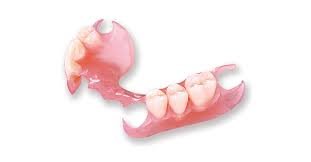
Dental prosthetics have evolved significantly over the years, offering patients options that combine functionality, comfort, and aesthetics. One of the most popular innovations in this field is flexible dentures. Unlike traditional dentures made from rigid acrylic, flexible dentures are designed to adapt to the contours of the mouth, offering a more comfortable and natural fit.
What Are Flexible Dentures?
Flexible dentures are removable dental prosthetics made from flexible thermoplastic materials. Unlike traditional acrylic dentures, which can sometimes feel bulky and rigid, flexible dentures bend and adapt to the movements of your mouth. This flexibility reduces irritation of the gums and soft tissues while providing a secure fit.
These dentures are ideal for patients who have experienced discomfort with standard dentures or those seeking an aesthetically pleasing solution that mimics the appearance of natural gums and teeth.
Key Benefits of Flexible Dentures
Flexible dentures offer numerous advantages that make them an attractive choice for dental patients:
- Comfortable Fit: The flexible material allows the denture to conform to your mouth’s natural shape, reducing soreness and pressure points.
- Durability: Despite being lightweight, flexible dentures are strong and resistant to fractures, unlike brittle acrylic dentures.
- Aesthetic Appeal: The gum-colored base of flexible dentures blends seamlessly with natural gums, making them less noticeable when smiling or speaking.
- Ease of Use: They are easy to insert and remove, making daily oral care simpler and more convenient.
- Hypoallergenic: Flexible dentures are often made from biocompatible materials, reducing the risk of allergic reactions.
Overall, flexible dentures provide a combination of comfort, aesthetics, and functionality that traditional dentures may lack.
Types of Flexible Dentures
Flexible dentures come in different types, designed to meet various dental needs:
- Partial Flexible Dentures: These are used when one or more natural teeth remain in the mouth. They fit around existing teeth and fill in gaps without the need for metal clasps.
- Full Flexible Den tures: Designed for patients who have lost all teeth in an arch, these den tures replace the entire row of teeth while offering flexibility and a natural appearance.
- Temporary Flexible Den tures: Often used immediately after tooth extraction, these den tures provide a comfortable temporary solution while the gums heal.
Consulting with a dentist is essential to determine which type of flexible denture is best for your individual needs.
Materials Used in Flexible Dentures
Flexible den tures are primarily made from thermoplastic materials such as nylon-based polymers or polyamide resins. These materials offer several advantages over traditional acrylic:
- Flexibility: Allows the denture to bend without breaking.
- Lightweight Design: Easier to wear for extended periods without discomfort.
- Stain Resistance: The materials resist discoloration from food, drink, and daily wear.
- Softness: Reduces gum irritation compared to rigid acrylic.
These qualities make flexible den tures an ideal choice for patients seeking comfort and durability.
How Flexible Dentures Work
Flexible den tures are designed to mimic the natural movement of your mouth. They are custom-made to fit snugly against your gums, creating suction that helps keep them in place. The flexibility allows the denture to move with your oral muscles, reducing the chances of slipping or causing discomfort.
Unlike traditional den tures, which may require adhesives to stay secure, many flexible den tures remain stable without additional products. This enhances convenience and ensures confidence while eating, speaking, and smiling.
Maintenance and Care for Flexible Dentures
Proper care of flexible den tures is crucial to maintain their longevity and hygiene:
- Daily Cleaning: Use a soft-bristle toothbrush and mild denture cleaner to remove food particles and plaque. Avoid using toothpaste, which can be abrasive.
- Soaking: Soak dentures overnight in a denture solution to keep them hydrated and maintain their shape.
- Handle with Care: Flexible den tures are durable but should not be bent excessively or dropped.
- Regular Dental Checkups: Visit your dentist regularly to ensure proper fit and to inspect for any wear or damage.
Maintaining flexible den tures properly ensures they remain comfortable, functional, and aesthetically appealing for years.
Advantages Over Traditional Dentures
Flexible den tures have become increasingly popular due to the limitations of traditional acrylic den tures:
- Reduced Pressure on Gums: Unlike rigid den tures, flexible den tures adapt to the contours of your mouth, reducing soreness.
- No Metal Clasps: Many flexible partial den tures eliminate visible metal clasps, offering a more natural look.
- Lightweight and Less Bulky: Flexible den tures feel more natural and comfortable in the mouth.
- Easier Adjustments: Minor adjustments can often be made without extensive lab work, unlike rigid dentures.
These advantages make flexible den tures a preferred choice for patients seeking comfort, aesthetics, and long-term functionality.
Who Can Benefit from Flexible Dentures?
Flexible den tures are suitable for a wide range of patients, including:
- Individuals with Sensitive Gums: The soft, flexible material reduces irritation and pressure points.
- Those with Partial Tooth Loss: Flexible partial den tures provide an effective and discreet solution.
- Patients with Previous Denture Discomfort: Anyone who has struggled with traditional den tures may find flexible den tures significantly more comfortable.
- Elderly Patients: Lightweight and easy-to-handle dentures are especially beneficial for older adults.
However, it is essential to consult with a dentist to determine if flexible den tures are the best solution based on oral health and individual needs.
Potential Drawbacks of Flexible Dentures
While flexible den tures offer many advantages, it’s important to consider potential drawbacks:
- Higher Cost: Flexible den tures can be more expensive than traditional acrylic options.
- Limited Adjustments: Major changes to fit may require remaking the denture rather than simple adjustments.
- Staining Risks: Although resistant to some stains, prolonged exposure to highly pigmented foods or drinks can affect appearance.
- Not Ideal for All Cases: Severe tooth loss or specific jaw shapes may still require rigid dentures or implants.
Understanding these factors helps patients make informed decisions about their dental care.
The Process of Getting Flexible Dentures
Getting flexible dentures typically involves several steps:
- Initial Consultation: Your dentist evaluates oral health, discusses options, and takes impressions of your mouth.
- Custom Fabrication: Denture impressions are sent to a dental lab where flexible den tures are crafted to match your gum and tooth color.
- Fitting: The dentist ensures a snug, comfortable fit and makes minor adjustments as necessary.
- Follow-up Visits: Periodic checkups help maintain fit, comfort, and oral hygiene.
The process ensures that flexible den tures are tailored to meet individual needs, providing optimal comfort and functionality.
FAQs About Flexible Dentures
Q1: Are flexible dentures comfortable to wear?
A: Yes. The soft, flexible material adapts to your mouth, reducing soreness and pressure points common with traditional den tures.
Q2: How long do flexible dentures last?
A: With proper care, flexible den tures can last 5 to 10 years, depending on usage, oral health, and maintenance.
Q3: Can flexible dentures replace all teeth?
A: Yes, full flexible den tures can replace all teeth in an arch, while partial den tures fill in gaps where natural teeth remain.
Q4: Are flexible dentures expensive?
A: They are typically more expensive than traditional acrylic dentures due to the specialized materials and fabrication process.
Q5: How do I clean flexible dentures?
A: Clean daily with a soft-bristle brush and mild denture cleaner, soak overnight in a denture solution, and avoid abrasive toothpaste.
Q6: Can I eat normally with flexible dentures?
A: Yes. Flexible den tures allow for comfortable chewing and speaking, though you may need to adjust gradually to new eating habits.
Q7: Are flexible dentures suitable for elderly patients?
A: Absolutely. Their lightweight design, comfort, and ease of handling make them ideal for older adults.
Conclusion
Flexible den tures have revolutionized dental prosthetics by combining comfort, aesthetics, and functionality. They offer a lightweight, adaptable, and natural-looking solution for patients who want to regain their smile without the discomfort often associated with traditional dentures.
By understanding the benefits, types, care requirements, and potential drawbacks of flexible den tures, patients can make informed decisions that improve oral health, enhance confidence, and ensure long-term comfort. Whether for partial or full tooth replacement, flexible den tures represent a modern approach to dental care that prioritizes both functionality and style.