

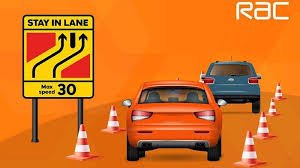
Navigating city streets can be confusing, especially when unusual traffic systems like contraflow bus lanes come into play. A contraflow bus lane allows buses to travel in the opposite direction on a road that is normally one-way, improving public transport efficiency and reducing congestion. These lanes are part of urban traffic management strategies aimed at prioritizing buses while keeping other traffic flowing safely.
Understanding where these lanes are, how they operate, and the rules surrounding them is crucial for drivers, cyclists, and city planners alike. In this guide, we’ll break down the locations, rules, and practical tips for safely navigating contraflow bus lanes.
What Is a Contraflow Bus Lane?
A contraflow bus lane is a dedicated lane that allows buses to travel against the normal flow of traffic. Unlike standard lanes, which align with one-way streets, contraflow lanes are often used in busy urban areas to enhance the efficiency of public transport and ensure buses can move smoothly during peak hours.
Contraflow lanes are not exclusive to buses in every case; some may allow emergency vehicles or authorized taxis. They are carefully marked with road signs, lane markings, and sometimes color-coded pavement to alert drivers. By creating a dedicated route in the opposite direction, cities aim to reduce congestion on parallel streets and prioritize bus travel.
The main purpose of contraflow bus lanes is to improve public transport speed and reliability. They are part of broader urban traffic management solutions that include bus priority lanes, dedicated corridors, and reversible lanes.
How Does a Contraflow Bus Lane Work?
Contraflow bus lanes operate on the principle of allowing buses to move against the regular traffic flow while keeping other vehicles restricted to normal lanes. Drivers approaching a contraflow lane will see specific road signs and markings indicating its presence.
Here’s how the system works in practice:
- Designated Lane: Contraflow lanes are separated from regular traffic lanes with painted lines or barriers.
- Traffic Signs: Signs indicate who can use the lane and the hours of operation. Some lanes may be active only during peak hours.
- Integration with Signals: Traffic lights are sometimes adjusted to give buses a green signal when entering the lane.
- Safety Measures: To reduce accident risks, the lane is clearly marked, and physical barriers may prevent cars from mistakenly entering.
The efficiency of contraflow lanes depends on proper planning and compliance with rules. For beginners, it’s important to observe signage and understand the purpose: faster buses, fewer delays, and reduced congestion.
Where Would You See a Contraflow Bus Lane?
Contraflow bus lanes are most commonly found in urban centers where traffic congestion is high and bus services are heavily relied upon. Common locations include:
- Narrow One-Way Streets: These lanes allow buses to move freely in the opposite direction without affecting general traffic.
- City Center Roads: Heavily trafficked areas often implement contraflow lanes to improve bus travel times.
- Dedicated Bus Corridors: Some cities create lanes along major avenues where buses need priority access.
- Cycle-Friendly Streets: Occasionally, contraflow lanes exist alongside cycle lanes, but separate markings are essential for safety.
In addition to these locations, many cities maintain maps of contraflow bus lanes for public reference. Knowing these areas helps drivers navigate safely and anticipate bus movements.
Rules and Safety Guidelines for Contraflow Bus Lanes
Understanding the traffic rules is essential when driving near a contraflow bus lane:
- Restricted Access: Only buses, emergency vehicles, and authorized taxis are typically allowed. Unauthorized vehicles entering the lane can incur fines.
- Road Signs and Lane Markings: Always watch for clear signage that indicates the lane’s usage, direction, and operating hours.
- One-Way Restrictions: Remember that these lanes go against the normal traffic flow. Entering the lane incorrectly can result in collisions.
- Common Mistakes to Avoid: Cutting across the contraflow lane, failing to yield to buses, or ignoring lane markings can lead to accidents.
- Safety Tips: Maintain awareness of bus movements, use mirrors frequently, and slow down when passing contraflow lanes.
Safe driving near contraflow bus lanes reduces accident risks and ensures smoother traffic flow. Cities emphasize public awareness campaigns to educate drivers about these systems.
Benefits of Contraflow Bus Lanes
Implementing contraflow bus lanes provides multiple advantages for urban transport:
- Reduced Congestion: By allowing buses to bypass traffic, contraflow lanes help minimize gridlock on parallel streets.
- Faster Public Transport: Buses can maintain schedules and reduce journey times during peak hours.
- Urban Traffic Efficiency: Prioritizing public transport supports sustainable city planning.
- Integration with Other Systems: Contraflow lanes often work alongside bus priority signals and dedicated corridors to optimize traffic flow.
The result is a more reliable and effective urban transport network, benefiting both passengers and the wider city environment.
Contraflow Bus Lane vs Normal Bus Lanes
Contraflow lanes differ from standard bus lanes in several ways:
| Feature | Contraflow Bus Lane | Normal Bus Lane |
| Direction | Opposite to regular traffic | Same as regular traffic |
| Common Locations | Narrow streets, city centers | Wide streets, avenues |
| Access | Buses, emergency vehicles, authorized taxis | Buses, sometimes cyclists |
| Traffic Flow Benefit | Reduces congestion by bypassing one-way restrictions | Speeds up buses but follows normal flow |
These differences make contraflow lanes particularly useful in dense urban areas where standard lanes may not provide sufficient bus priority.
Performance and Real-World Results of Contraflow Bus Lanes
Cities that have implemented contraflow bus lanes have observed noticeable improvements in public transport efficiency and traffic management. Case studies from urban centers highlight the tangible benefits of these systems:
- Faster Bus Travel Times: By allowing buses to bypass congested one-way streets, journey times are reduced significantly. For example, buses traveling on busy city center routes can save several minutes per trip.
- Reduced Congestion on Parallel Streets: Contraflow lanes help distribute traffic more evenly, decreasing gridlock on main thoroughfares.
- Improved Reliability for Public Transport: Consistent travel times make buses more predictable, encouraging commuters to rely on public transport rather than private cars.
- Safety Metrics: When properly signed and marked, contraflow lanes have shown lower accident rates compared to roads with mixed traffic in narrow one-way streets.
Real-world results demonstrate that contraflow lanes are an effective tool for cities seeking to enhance urban traffic management and encourage public transport usage.
Technical Setup and Usage of Contraflow Bus Lanes
Driving near or around a contraflow bus lane requires awareness and understanding of the lane’s setup. Key technical points include:
- Road Signs: These indicate who may use the lane and when. Look for clear symbols and instructions before entering.
- Lane Markings: Contraflow lanes often have colored or solid lane markings to separate them from normal traffic lanes.
- Traffic Signals: Some contraflow lanes have dedicated signals, giving buses priority when merging or crossing intersections.
- Lane Configuration: Contraflow lanes can be installed on narrow streets, sometimes alongside cycle lanes, or in dedicated bus corridors.
- Integration with City Infrastructure: These lanes are part of broader public transport lanes and bus priority systems, often coordinated with other traffic management tools to optimize flow.
Understanding these technical elements ensures drivers maintain safety and compliance while navigating areas with contraflow lanes.
Long-Tail Questions About Contraflow Bus Lanes
To fully address driver concerns and search intent, here are answers to common long-tail queries related to contraflow bus lanes:
- Where are contraflow bus lanes most common?
They are most often found in city centers, narrow streets, and areas with heavy bus traffic where one-way streets would otherwise slow public transport. - Which streets have contraflow bus lanes?
Streets with dedicated bus corridors, major intersections, and urban routes with high congestion levels are prime candidates for contraflow lanes. - Why do cities use contraflow bus lanes?
Cities implement these lanes to reduce congestion, improve bus reliability, and create efficient traffic flow in areas where conventional one-way streets limit bus mobility. - Is it legal to enter a contraflow bus lane?
Only authorized vehicles, typically buses, emergency vehicles, and sometimes taxis, are legally allowed. Unauthorized access can result in fines. - How to identify a contraflow bus lane?
Contraflow lanes are clearly marked with road signs, colored or solid lane markings, and sometimes special symbols indicating permitted vehicles. - Do contraflow bus lanes allow taxis?
This depends on local regulations; some lanes permit authorized taxis alongside buses. - Can bicycles use contraflow bus lanes?
Certain contraflow lanes may include bicycles, but these are always indicated by road markings or signs.
Practical Tips for Drivers Near Contraflow Bus Lanes
Driving safely around contraflow bus lanes is essential to prevent accidents and comply with traffic rules. Here are some practical tips:
- Stay Alert for Signage: Watch for signs indicating lane restrictions and permitted vehicles.
- Keep a Safe Distance: Buses traveling in a contraflow lane may move faster than adjacent traffic; maintain distance.
- Avoid Unauthorized Entry: Entering a contraflow bus lane without permission is illegal and can be dangerous.
- Observe Traffic Signals: Some contraflow lanes have dedicated traffic lights or bus priority signals.
- Anticipate Bus Movements: Buses may merge back into the main traffic lane at intersections, so be ready to yield.
- Understand Lane Hours: Some lanes operate only during peak hours; others may be active all day.
By following these tips, drivers can coexist safely with contraflow lanes while contributing to smoother urban traffic flow.